Kahoot Botter: Risks, Mechanics, and Fair Play
Gamified learning platforms have revolutionized modern education and casual trivia alike. By turning quizzes into fast-paced competitions complete with music, countdown timers, and leaderboards, tools like Kahoot! drive high engagement. However, the open nature of these games also attracts disruption. Terms like kahoot.botter often surface when individuals or groups attempt to overwhelm lobbies with dozens—or even thousands—of automated participants.

While flooding a game with fake entries might seem like a harmless prank to some, it carries significant technical and educational consequences. This guide explores how these automated scripts operate, why developers and educators actively fight against them, and the broader impact of manipulating digital classrooms.
Understanding the Mechanics of a Kahoot Botter
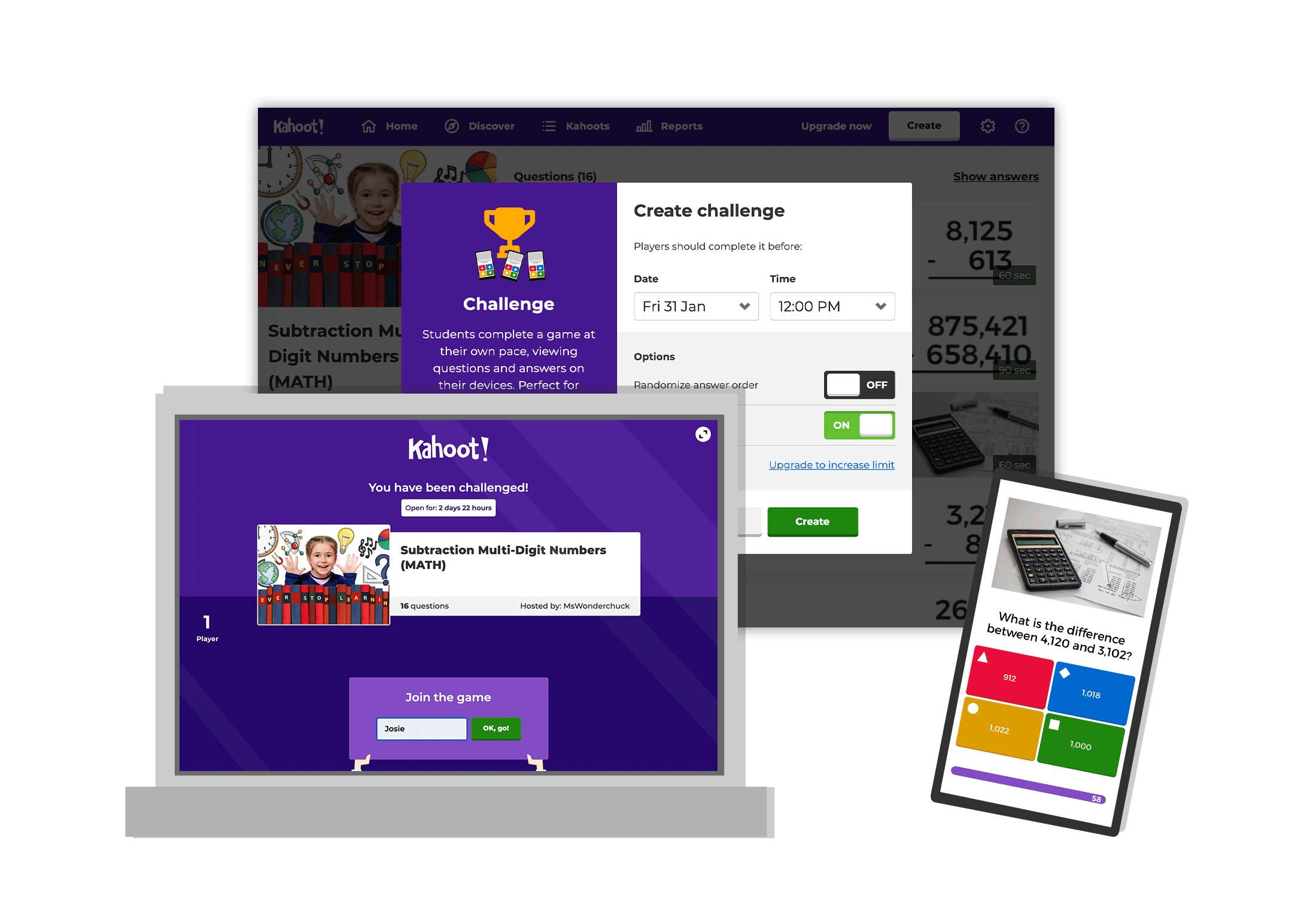
At its core, a script or online utility designed to spam a game lobby operates by automating standard user actions. Instead of a human opening a browser, navigating to the platform, and manually typing a game PIN and nickname, a script executes these steps through code in a fraction of a second.
How Automated Lobby Flooding Works
When someone utilizes a kahoot.botter application, the underlying process typically follows a predictable technical sequence:
- Target Acquisition: The user inputs the active numeric Game PIN displayed on the host's screen into the bot interface.
- Name Generation: The tool generates a massive list of names—often randomized strings, humorous phrases, or repeating patterns—to populate the lobby.
- Simulated Connections: The script uses automated HTTP requests or headless browsers to mimic multiple unique devices joining the session simultaneously.
- Randomized Answers: Once the game starts, the bots are programmed to either submit completely random answers or remain idle, skewing the accuracy percentages and final leaderboards.
Because these platforms rely on WebSockets and real-time server communication to handle rapid updates, sudden influxes of hundreds of automated connections can strain the hosting infrastructure, leading to lag, dropped connections, or complete session crashes.
The Impact on Classrooms and Events
Kahoot! is primarily designed as an educational tool for classrooms, corporate training sessions, and interactive workshops. When a lobby is flooded with automated entries, the immediate result is disruption.
Loss of Instructional Time
Teachers operate on tight schedules. Stopping a lesson to weed out fifty fake users named after internet memes wastes valuable learning time. Even if the host locks the lobby, the damage is done, and the flow of the activity is broken.
Inaccurate Assessment Data
Video: #kahoot How to put Kahoot bots the best No1 Kahoot cheat/hack best 2025 HACK

Instructors often use these quizzes as formative assessments to gauge student comprehension in real-time. If leaderboards and score summaries are cluttered with automated entries that randomly guessed answers, the analytical data generated by the session becomes completely useless. The teacher can no longer tell which concepts students actually struggled with.
Platform Security and Countermeasures
As automated flooding techniques have evolved, so too have the defenses deployed by platform developers and educators. Maintaining the integrity of gamified learning requires active vigilance.
Developer-Side Defenses
Engineers implement several backend strategies to mitigate botting attempts:
- Rate Limiting: Restricting the number of connection requests originating from a single IP address within a specific timeframe.
- CAPTCHA Integration: Deploying challenge-response tests during high-risk traffic spikes to ensure participants are human.
- Behavioral Analysis: Monitoring response times and input patterns to flag accounts that answer questions instantaneously or exhibit non-human behavior.
Host-Side Best Practices
Educators and presenters can also take proactive steps to secure their sessions:
- Hide the Game PIN: Keep the PIN hidden until students are physically present in the room or securely logged into a private video conference.
- Use Two-Step Joining: Enable features that allow hosts to manually approve or kick specific nicknames before the game officially launches.
- Lock the Lobby: Once all legitimate participants have joined, lock the game session so no new entries can be added.
The Broader Ethics of Digital Disruption
Beyond the technical headaches, using automated scripts to hijack public or private sessions raises questions about digital citizenship. Online spaces rely on a baseline of mutual respect to function effectively. Disrupting a learning environment—even anonymously from behind a screen—directly impacts the experience of peers and instructors.
Furthermore, many public tools advertised online as simple prank utilities may harbor malicious intent. Users downloading unverified software run the risk of exposing their devices to malware, keyloggers, or adware bundled within the download package.
Conclusion
While the temptation to disrupt a digital quiz with a kahoot.botter script might stem from a desire for a quick laugh, the consequences include ruined lessons, skewed data, and frustrated educators. As platforms continue to strengthen their security measures and hosts adopt smarter lobby management practices, maintaining a fair, engaging, and educational environment remains the top priority for interactive digital learning.