KBB for Motorcycles: How to Value Your Bike
Understanding KBB for Motorcycles

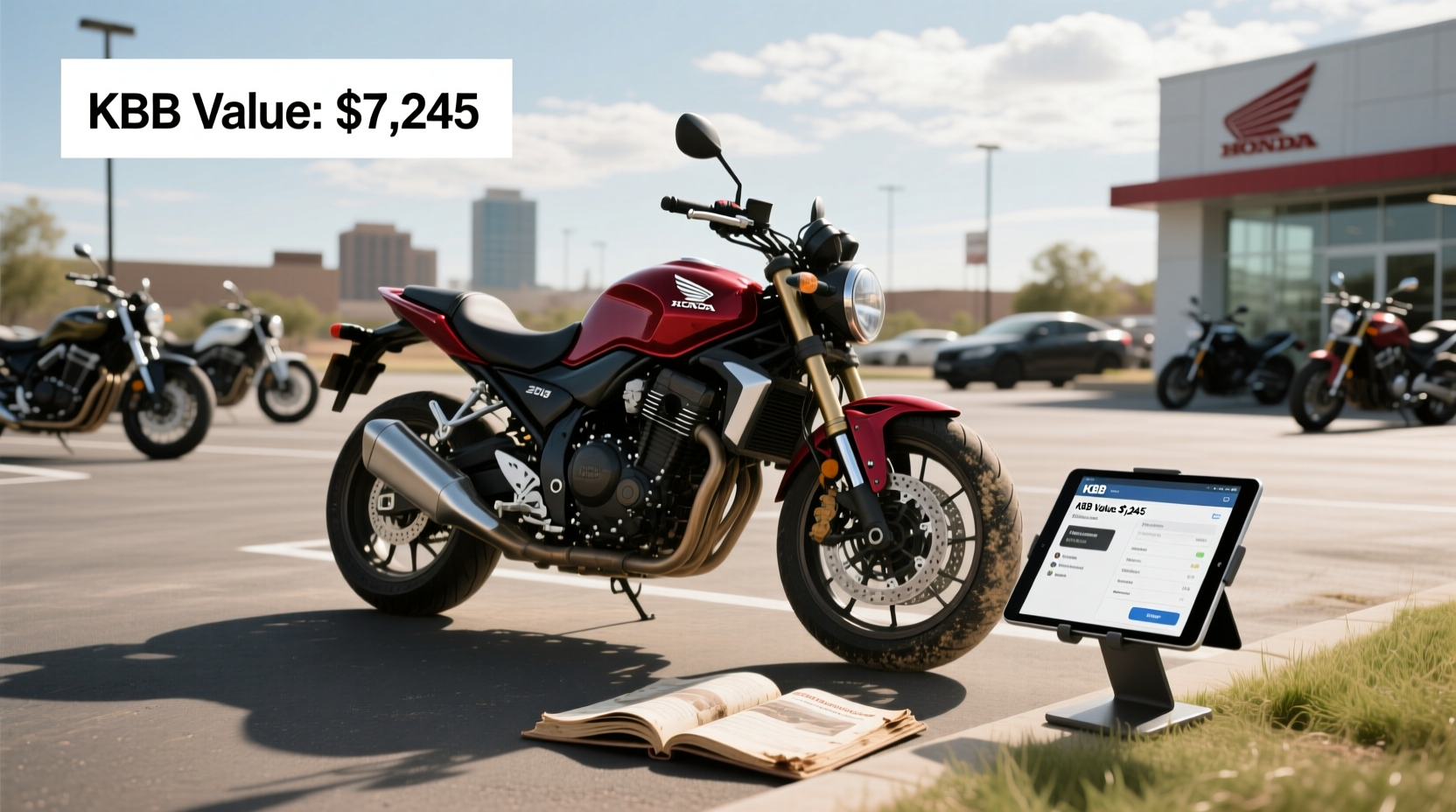
When you want to buy or sell a used motorcycle, knowing its true market value is essential. Just like cars and trucks, motorcycles depreciate over time based on mileage, condition, brand, and market demand. For decades, the Kelley Blue Book has been the gold standard for vehicle pricing. Using **KBB for motorcycles** gives buyers and sellers a reliable baseline to negotiate fairly without leaving money on the table.
However, valuing a motorcycle is slightly different from pricing a standard passenger car. Specialty brands, aftermarket modifications, and seasonal riding trends all play a role in what a bike is actually worth. This guide walks you through how to use the Kelley Blue Book motorcycle valuation tool effectively, what the different pricing tiers mean, and how to account for factors that online calculators might miss.
How to Use the Kelley Blue Book Motorcycle Tool
Navigating the valuation tool on the official KBB website is straightforward, but accuracy depends entirely on the information you input. Follow these steps to get the most precise estimate for your bike:
- Select the Year, Make, and Model: Start by choosing the correct manufacturing year. Be precise, as mid-generation refreshes can significantly change a motorcycle's features and value.
- Choose the Trim or Edition: Many motorcycles come in standard, touring, or special anniversary editions. Ensure you pick the exact trim package.
- Enter Mileage and Zip Code: Mileage impacts value drastically. Also, enter your local zip code because motorcycle demand fluctuates heavily by region and climate.
- Assess the Condition Honestly: KBB typically offers tiers like Excellent, Good, and Fair. Be realistic about scratches, mechanical wear, and tire health.
Decoding Motorcycle Pricing Tiers
When you receive your valuation results, KBB usually provides a few different pricing metrics. Understanding what each one represents will help you price your bike for a fast sale or negotiate a fair purchase price.
Trade-In Value
The trade-in value is what a dealership is likely to pay you if you trade your motorcycle in for another vehicle. This is almost always the lowest price tier because the dealership needs to factor in reconditioning costs, safety inspections, overhead, and a profit margin when they resell it. While it offers the lowest return, it is also the most convenient method, saving you the hassle of private sales.
Suggested Retail Value
Suggested retail value represents the price a dealership might charge a consumer for the same motorcycle. This figure assumes the bike has been fully inspected, serviced, detailed, and often comes with a short-term dealer warranty. If you are buying a certified pre-owned bike from a licensed dealer, expect to pay close to this amount.
Private Party Value

For most individual buyers and sellers, the private party value is the most relevant metric. This is what you can reasonably expect to pay or receive when buying from or selling to another private individual. It sits comfortably between the low trade-in value and the high retail value, benefiting both parties by cutting out the middleman.
Limitations of Motorcycle Blue Book Values
While KBB is an invaluable starting point, it is not an absolute rulebook. There are several real-world factors that can cause actual market prices to deviate significantly from the official estimate.
- Seasonal Demand: Motorcycles are seasonal toys in many parts of the country. A bike listed in early spring will command a higher price than the exact same bike listed in late October.
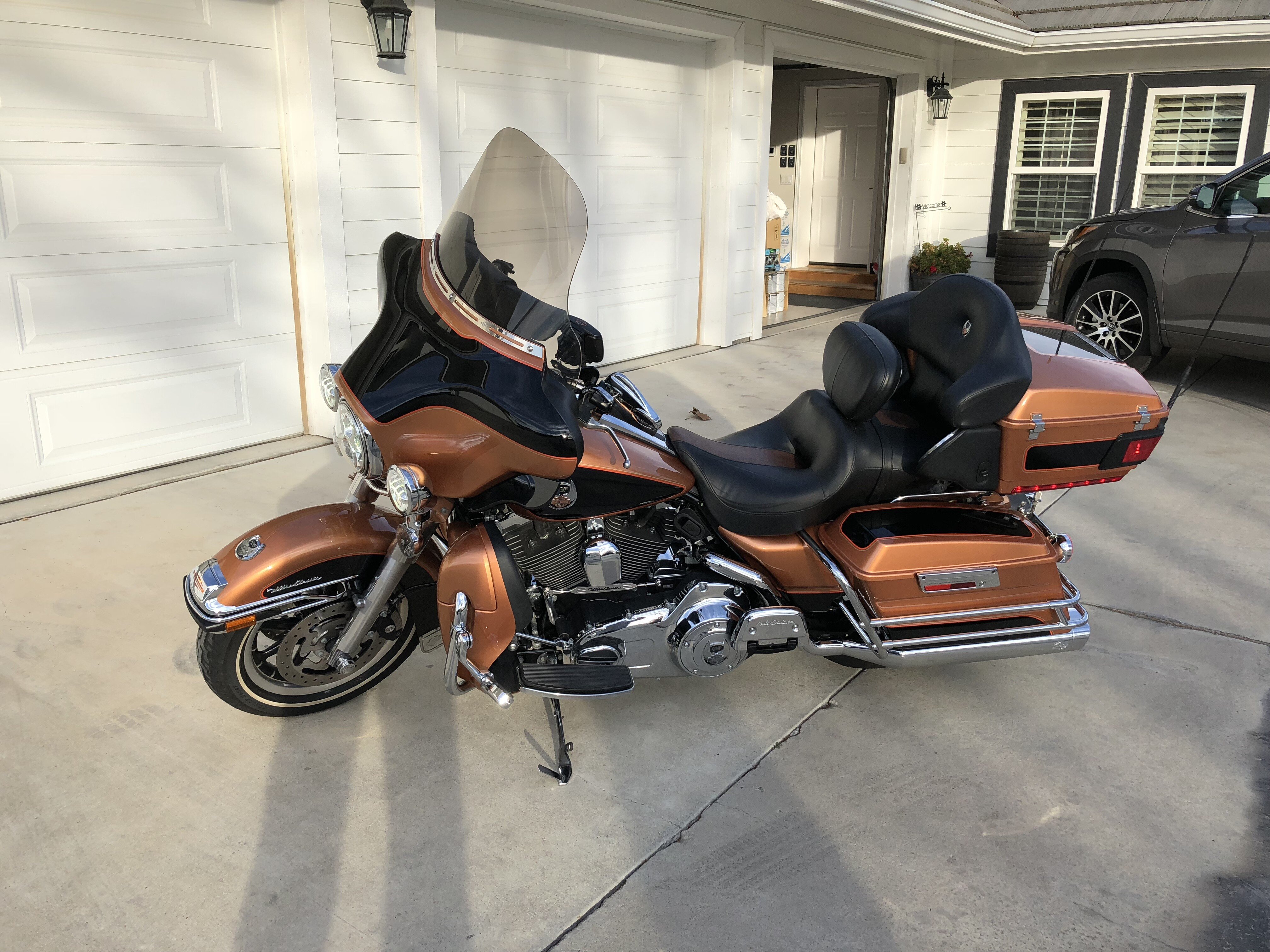
- Aftermarket Upgrades: KBB generally values a bike in its stock configuration. High-end exhaust systems, custom paint, upgraded suspension, and performance tuners can add value, though rarely dollar-for-dollar.
- Maintenance History: A well-documented service history with fresh tires and a recent major service can push a bike toward the higher end of its valuation range, whereas neglected maintenance will drag it down.
Tips for Buyers and Sellers
Armed with your KBB valuation, you are ready to enter the negotiation phase with confidence. Whether you are clearing out the garage or hunting for your next cruiser, keep these practical tips in mind.
For Sellers
Print out or save your KBB valuation report to show prospective buyers. Transparency builds trust. Price your bike slightly above your rock-bottom acceptable price to leave room for reasonable negotiations. Clean the bike thoroughly, fix minor cosmetic flaws, and take high-resolution photos in daylight to justify your asking price.
For Buyers
Do not rely solely on the asking price. Check the KBB private party value before viewing the bike. If the seller is asking significantly more than the book value without valid justification (like rare collector status or extensive new parts), use the KBB data as leverage to negotiate a fairer price during your inspection.
Conclusion
Using KBB for motorcycles takes the guesswork out of buying and selling two-wheeled vehicles. By understanding how trade-in, private party, and retail values work—while keeping regional and seasonal factors in mind—you can make informed financial decisions. Treat the Blue Book value as a solid foundation, use your common sense during the physical inspection, and you will secure a great deal every time.