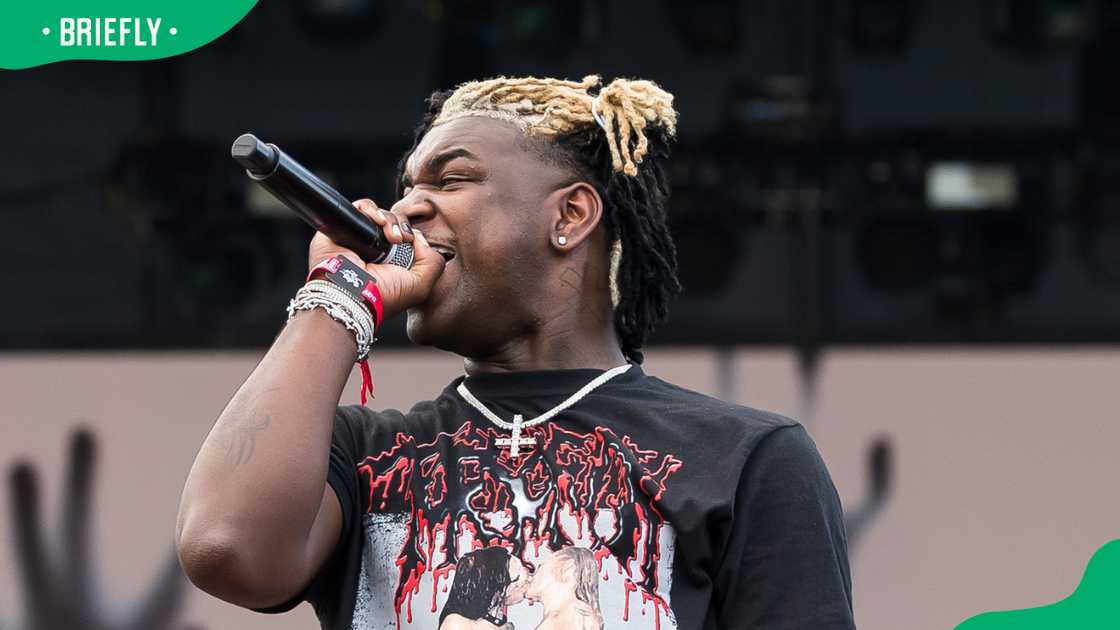
Ken Carson’s Billionaire Path: The $100M Legacy
In contemporary hip-hop, perception often accelerates faster than audited balance sheets. When internet discussions ignite around Ken Carson’s Billionaire Path—How $100 Million Became His Legacy!, fans and financial observers alike are confronted with a mix of viral internet mythology and genuine business ambition. Ken Carson, born Kenyatta Lee Frazier Jr., has evolved from an underground Atlanta prodigy into the flagship artist of Playboi Carti’s Opium label. But how does a cult-favorite rap artist turn chart momentum into generational wealth, and what does the realistic roadmap to nine or ten figures actually look like?

Myth vs. Reality: Dissecting the $100 Million Valuation
Search engines and social media algorithms frequently amplify speculative net worth estimates. Over the past few years, viral memes and fan edits have casually attached nine-figure valuations to Carson, claiming he has already secured an empire worth $100 million. To understand his true trajectory, one must separate online folklore from balance-sheet reality.
Industry estimates place Ken Carson’s current net worth between $2 million and $5 million. While that figure is a staggering achievement for an artist in his early twenties, it is a far cry from $100 million—let alone billionaire status. However, the viral fascination with his wealth highlights an important shift: audiences no longer view Carson simply as a recording artist. They view him as the architect of a rapidly scaling cultural franchise.
Ken Carson’s Billionaire Path—How $100 Million Became His Legacy!
The conversation surrounding Carson’s ultimate commercial potential is rooted in his strategic positioning within modern youth culture. Reaching a nine-figure net worth in the music industry historically required decades of radio hits, pop crossover appeal, and traditional corporate sponsorships. Carson, however, operates within a new paradigm pioneered by figures like Travis Scott, Kanye West, and his mentor, Playboi Carti.
In this modern ecosystem, raw commercial ubiquity is replaced by intense, highly monetizable fan devotion. Carson’s legacy narrative—frequently summarized by fans as an inevitable climb toward a $100 million portfolio—is anchored in three core operational strengths:
- A rabid, high-converting subculture: His listeners do not merely stream songs passively; they buy physical vinyl, purchase premium tour packages, and queue for limited-edition streetwear drops.
- Complete creative sovereignty: By maintaining a distinct aesthetic across sound, typography, fashion, and visuals, Carson ensures that his brand equity belongs to him rather than a generic corporate machine.
- The Opium collective halo: Operating under an umbrella that commands the loyalty of Generation Z allows Carson to scale his individual brand alongside a powerful institutional identity.
The Primary Revenue Engines Powering His Rise
To understand how Carson could theoretically bridge the gap between his current earnings and a $100 million milestone, it is necessary to examine the specific revenue engines currently driving his financial growth.
1. Global Touring and Live Performances
Recorded music builds awareness, but live touring builds wealth. Carson’s high-octane stage presence has transformed him into one of the most lucrative touring acts in the experimental trap space. Following the release of his breakthrough project A Great Chaos, Carson embarked on international headline tours featuring sold-out dates across North America and Europe.
Video: The REAL Ken Carson Story (Documentary)
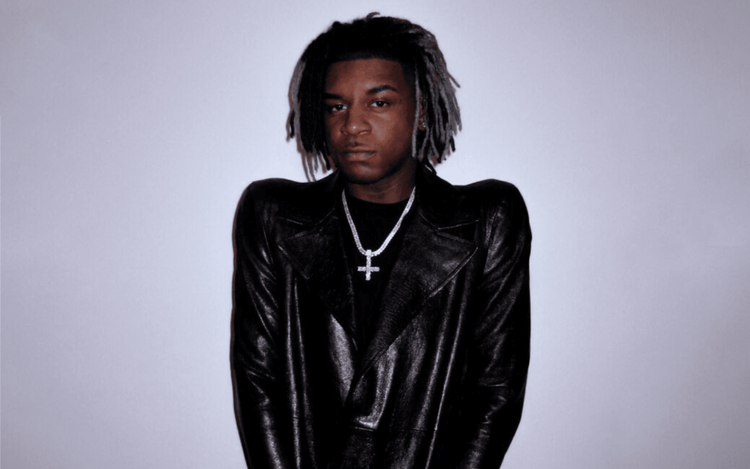
Unlike standard club performances, headline arena and theater tours offer multiple revenue streams in a single evening, including ticket sales, VIP experiences, and on-site merchandise. Furthermore, high billing at premier festivals such as Rolling Loud and Coachella commands six-figure performance fees per set, creating steady liquidity.
2. Direct-to-Consumer Merchandise and Streetwear
Traditional musicians rely on third-party merchandisers who extract the majority of the profit margins. Carson, embedded in the high-fashion streetwear ethos of Opium, treats merchandise as an independent fashion label. Limited-run hoodies, distressed tees, caps, and vinyl releases routinely sell out within minutes of dropping online.
By leveraging scarcity marketing and direct-to-consumer distribution channels, Carson achieves profit margins far higher than traditional retail partnerships. If he transitions this merchandise apparatus into a full-fledged, venture-backed fashion line—following the blueprint of Tyler, The Creator’s Golf Wang—this sector alone could generate tens of millions in enterprise value.
3. Streaming Scale and Catalog Equity
With billions of streams across Spotify, Apple Music, and YouTube, Carson’s catalog represents an appreciating intellectual property asset. Hits like "Yale" and the viral breakout tracks from A Great Chaos produce ongoing passive royalties. While record contracts dictate how streaming profits are divided among labels and publishers, building an extensive, evergreen discography provides the leverage needed to negotiate favorable master-ownership terms or multi-million-dollar catalog advances in future deal cycles.
Strategic Hurdles on the Road to Nine Figures
Amassing a $100 million estate is an extraordinarily rare feat in music, achieved only by an elite fraction of performers. If Carson is to turn aspirational projections into a permanent legacy, he must navigate several industry hurdles:
- Label recoupment and master rights: Early record deals often require artists to pay back substantial advances before realizing major master-recording royalties. Retaining or buying back master ownership is crucial for long-term equity accumulation.
- Subgenre longevity: The "rage" and distorted trap sound that defined Carson's early career moves at hyper-speed. Sustaining relevance across a decade-long timeline requires sonic evolution without alienating the core base.
- Diversification into non-music assets: No musician has ever reached a $100 million or billionaire valuation solely on music sales. Expanding into private equity, proprietary brands, real estate, and consumer tech is mandatory for true wealth creation.
Can Ken Carson Achieve Real Billionaire Status?
Achieving billionaire status places an individual in the territory of Jay-Z, Michael Jordan, and Rihanna. Each of those figures crossed the ten-figure threshold not through their primary art forms, but by owning equity in disruptive consumer brands, such as Armand de Brignac, Jordan Brand, and Fenty Beauty.
For Ken Carson, the conversation surrounding a billionaire trajectory is premature, yet instructive. It signals that his fan base and industry peers recognize his enterprise potential. If Carson continues to scale his live business, secures complete ownership of his intellectual property, and successfully pivots his aesthetic influence into high-margin consumer goods, the concept of a $100 million legacy ceases to be an internet fantasy and becomes a tangible financial roadmap.