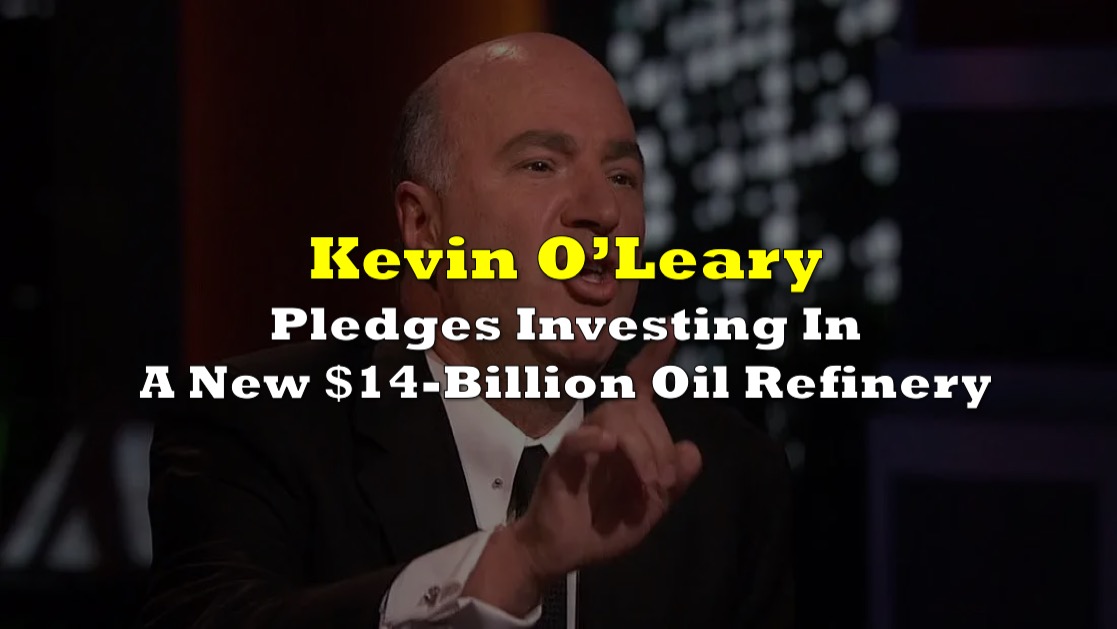
Kevin O’Leary: How He Built $100 Million With Strategy
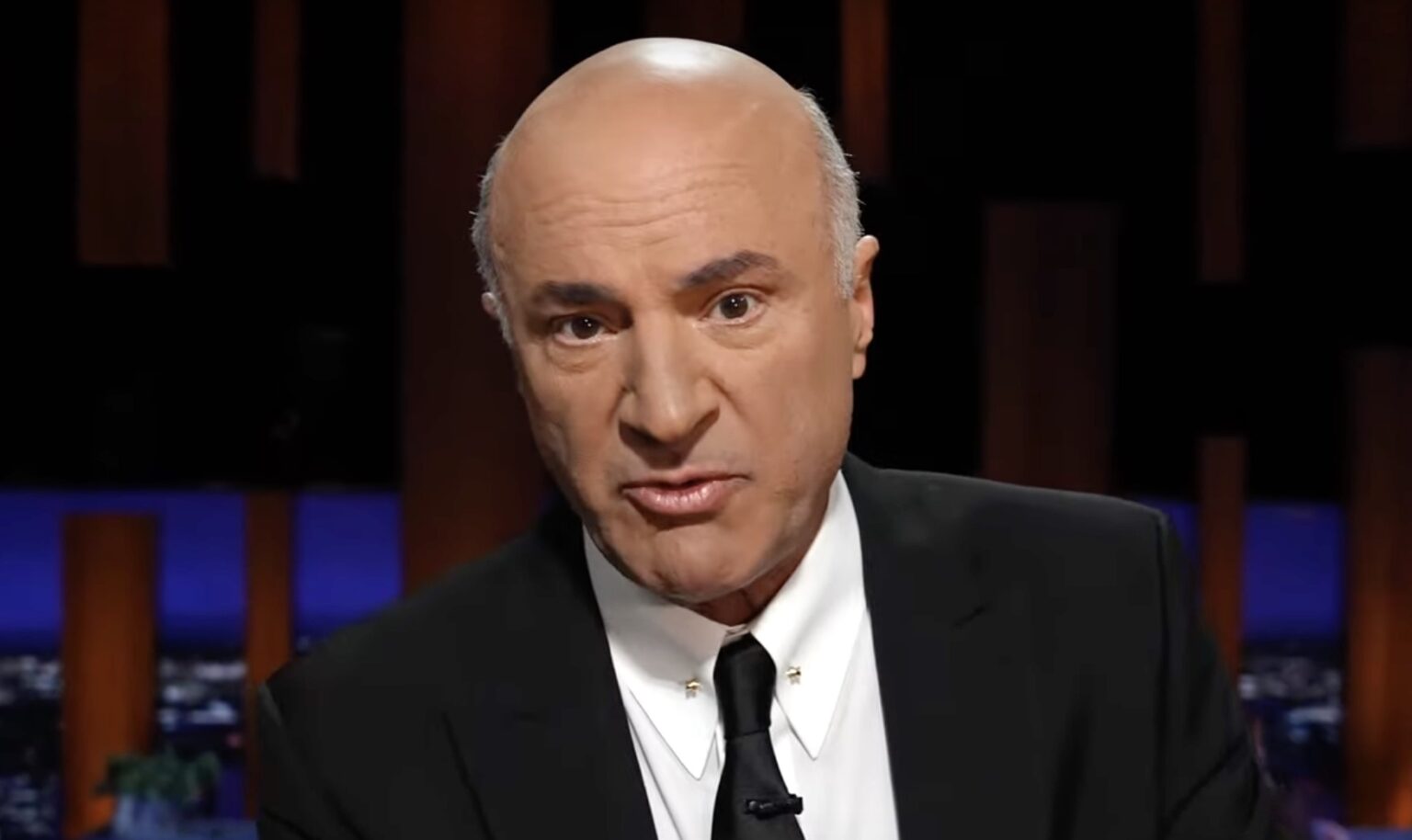
Television viewers know him as "Mr. Wonderful"—the sharp-tongued, unapologetically pragmatic investor on ABC’s Shark Tank. Behind the television persona, however, lies decades of disciplined capital allocation and aggressive corporate maneuvering. Examining Kevin O’Leary’s billion-dollar journey: how he built $100 million with strategy! reveals that his rise was not an overnight stroke of luck, but a masterclass in market consolidation, distribution control, and relentless risk management.

The Basement Hustle: Bootstrapping SoftKey
Kevin O’Leary did not inherit dynastic wealth. After earning an MBA from the Ivey Business School at Western University, he cut his teeth in television production before co-founding SoftKey Software Products in 1986 out of a Toronto basement. Starting the company with roughly $10,000—a portion of which was funded by his mother—O’Leary identified a critical market inefficiency in personal computing.
During the late 1980s, educational software was treated as a luxury, sold in specialty computer stores with retail prices often exceeding $40 to $50 per title. SoftKey disrupted this model by adopting a high-volume, low-margin approach:
- Discount Distribution: SoftKey packaged software into affordable jewel cases priced at $9.99 to $19.99.
- Mainstream Retail Penetration: Instead of competing in boutique computer outlets, O’Leary distributed software through pharmacies, grocery stores, and big-box retailers.
- OEM Bundling: SoftKey negotiated deals to bundle its products directly with new desktop computers sold to consumers.
The Roll-Up Strategy: Consolidating EdTech
Once cash flow stabilized, O’Leary executed an aggressive roll-up strategy. Rather than spending millions on speculative internal research and development, SoftKey acquired existing software companies that possessed recognized intellectual property but suffered from bloated overhead or weak distribution.
Between 1993 and 1995, SoftKey absorbed major competitors, including WordStar International, Spinnaker Software, and MECA Software. In 1995, O’Leary launched a hostile takeover of The Learning Company (TLC), the maker of iconic educational franchises such as Reader Rabbit and The Oregon Trail. SoftKey acquired the company for over $600 million, adopted the prestigious Learning Company name, and instantly became the dominant publisher of consumer educational software in North America.
The Historic Exit: Mattel’s $3.8 Billion Buyout
By the late 1990s, toy manufacturing giant Mattel was seeking digital expansion to offset stagnating traditional toy sales. In 1999, Mattel acquired The Learning Company in an all-stock transaction valued at roughly $3.8 billion.
While the merger later proved problematic for Mattel due to integration challenges and shifting technology trends, O’Leary’s equity position and negotiated departure terms solidified his financial independence. The deal generated an initial liquidity event that secured his personal fortune well past nine figures, providing the foundation for his future investment empire.
Kevin O’Leary’s Billion-Dollar Journey: How He Built $100 Million With Strategy
Building significant enterprise value requires more than timing; it demands an operating framework that limits downside exposure while maximizing return on invested capital. O’Leary applied several distinct strategic principles throughout his career:
1. Ruthless Cost Control
O’Leary is famous for stating that "money has no soul; it loves whoever treats it best." During his tenure at SoftKey and The Learning Company, post-acquisition restructuring was swift. Duplicate administrative roles, redundant real estate, and unprofitable product lines were eliminated within months, turning previously distressed acquisitions into cash-generative operations.
2. Distribution as a Competitive Moat
Great products fail without distribution. O’Leary recognized early that dominating retail shelf space and establishing wholesale partnerships gave him asymmetric bargaining power. Competitors with superior software frequently sold out to SoftKey because they lacked the supply chains and retail relationships necessary to achieve profitable scale.
3. The Royalty Structure
On Shark Tank, O’Leary frequently avoids straight equity investments in favor of venture debt and royalty agreements. This mechanism allows him to recoup his principal capital rapidly through top-line sales, insulating his balance sheet from operational mismanagement or delayed profitability.
Diversification Beyond Software
After exiting the software sector, O’Leary avoided concentrating his capital in a single asset class. Instead, he systematically deployed his wealth across multiple defensive, income-generating verticals:
- Real Estate and Infrastructure: Co-founding StorageNow Holdings, which developed specialized climate-controlled self-storage facilities before being acquired for over $110 million.
- Asset Management: Establishing O'Leary Funds, focusing on dividend-paying equities to prioritize cash-flow yield over speculative growth.
- Brand Licensing and Media: Leveraging appearances on CBC's Dragons' Den and ABC's Shark Tank to transform his name into an umbrella brand for consumer products, financial literacy platforms, and private venture investments via O'Leary Ventures.
Core Takeaways for Modern Operators
Kevin O'Leary's business trajectory provides practical insights for modern founders and investors:
- Focus on Cash Flow: Profitability should never be deferred indefinitely in pursuit of vanity metrics. High gross margins and predictable cash generation provide resilience during economic contractions.
- Structure for Downside Protection: Contractual terms, preferred returns, and royalty kickers protect capital when early-stage ventures fail to achieve their projected valuations.
- Separate Emotion from Execution: Capital allocation decisions must rely strictly on unit economics, customer acquisition costs, and market size rather than emotional attachment to an idea.
Through disciplined acquisitions, uncompromising cost management, and multi-asset diversification, Kevin O'Leary transformed an initial software venture into a durable, multi-generational fortune.