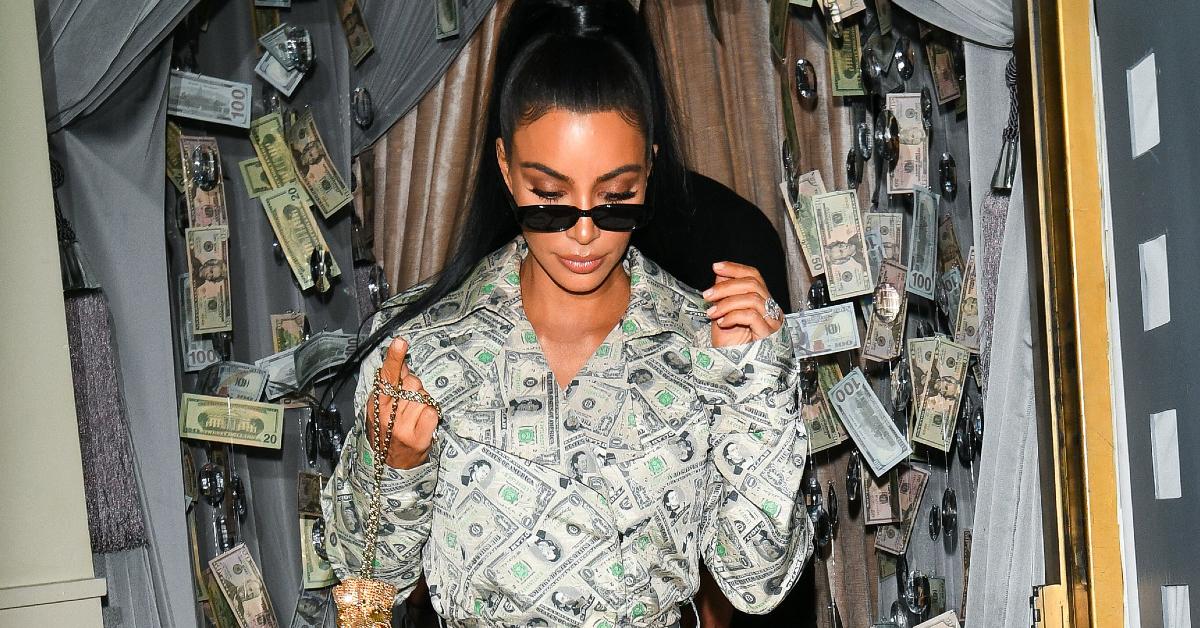
Kim Kardashian's $1 Billion Net Worth Journey
When reality television first introduced audiences to the Kardashian family in 2007, few predicted that the glam-focused, paparazzi-flashed starlets would build corporate empires. Yet, decades later, the trajectory of Kim Kardashian's $1 Billion Net Worth Journey stands as a masterclass in modern personal branding. From her early days as a closet organizer and celebrity stylist to launching billion-dollar companies, Kim redefined what it means to monetize fame.

The Foundation of Kardashian Glam
Before launching venture capital funds and shapewear empires, Kim Kardashian built her initial capital and cultural relevance in the worlds of fashion and reality television. Alongside her sisters, she opened DASH, a boutique clothing store that provided retail experience and kept the family in the public eye. However, the real catalyst was Keeping Up with the Kardashians.
During the early seasons, the Kardashian brand was synonymous with red carpets, makeup tutorials, and aspirational luxury. Rather than letting this image remain a superficial pop-culture moment, Kim recognized that her engaged audience was a ready-made consumer base. She parlayed millions of social media followers into direct-to-consumer leverage, setting the stage for her future business ventures.
From Reality Star to Tech Entrepreneur
The turning point from celebrity endorser to serious business mogul occurred in 2014 with the release of her mobile game, Kim Kardashian: Hollywood. Instead of merely licensing her name for a flat fee, Kim negotiated a deal that gave her a massive cut of the game's profits—a decision that netted her millions in its first year alone.
This venture proved two vital lessons that shaped her billionaire status:
- Direct Ownership: Equity pays far better than short-term endorsement deals.
- Audience Monetization: Her fans craved interactive, authentic digital experiences with her brand.
Building the Billion-Dollar Empires
Armed with capital and proven consumer demand, Kim launched two distinct beauty and apparel companies that cemented her financial legacy. These brands transitioned her image from high-end fashion consumer to corporate creator.
KKW Beauty and Fragrance
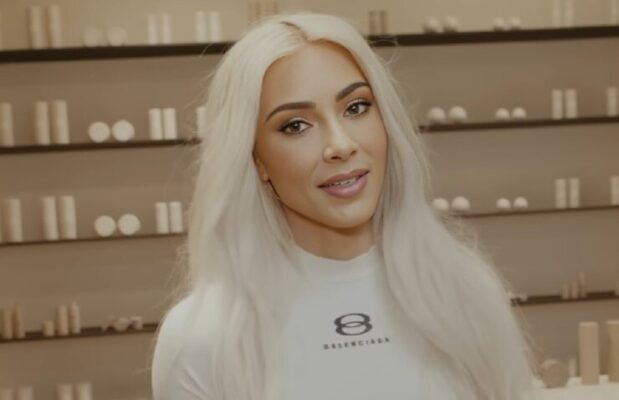
Building on the massive success of her sister Kylie’s cosmetics line, Kim launched KKW Beauty in 2017. Her inaugural product—contour kits—sold out within minutes, generating millions in instantaneous revenue. By leveraging her massive Instagram following for direct marketing, she bypassed traditional advertising channels entirely.
In 2020, she sold a 20% stake in KKW Beauty to cosmetics giant Coty for $200 million, valuing the overall brand at $1 billion. This monumental transaction was a pivotal milestone officially cementing her billionaire status.
SKIMS: The Shapewear Revolution
If KKW Beauty proved her market viability, SKIMS established her as a disruptive industry leader. Launched in 2019 alongside Jens and Emma Grede, SKIMS solved a persistent problem in women's fashion: the lack of inclusive, comfortable, and skin-toned shapewear.
Key strategies behind the success of SKIMS include:
- Inclusive Sizing: Offering sizes from XXS to 4XL, capturing an underserved demographic.
- Smart Expansion: Evolving from shapewear into loungewear, sleepwear, and swimwear.
- High Valuation: Subsequent funding rounds valued the company at over $4 billion, making it her most lucrative asset.
Smart Investments and Diversification
Beyond her direct-to-consumer businesses, Kim diversified her wealth through real estate, private equity, and partnerships. In 2022, she co-founded SKKY Partners, a private equity firm focusing on consumer and media investments. This move demonstrated a long-term vision of transitioning from a founder to an investor and financial powerhouse.
Conclusion
The path from red carpet glamour to a ten-figure net worth was neither accidental nor overnight. By methodically shifting from paid endorsements to equity ownership, and from reality television to disruptive retail, Kim Kardashian redefined modern wealth creation. Her journey proves that personal brand equity, when paired with operational execution, can build a lasting global empire.