Kindig It Lawsuit: What You Need to Know
Understanding the Kindig It Lawsuit

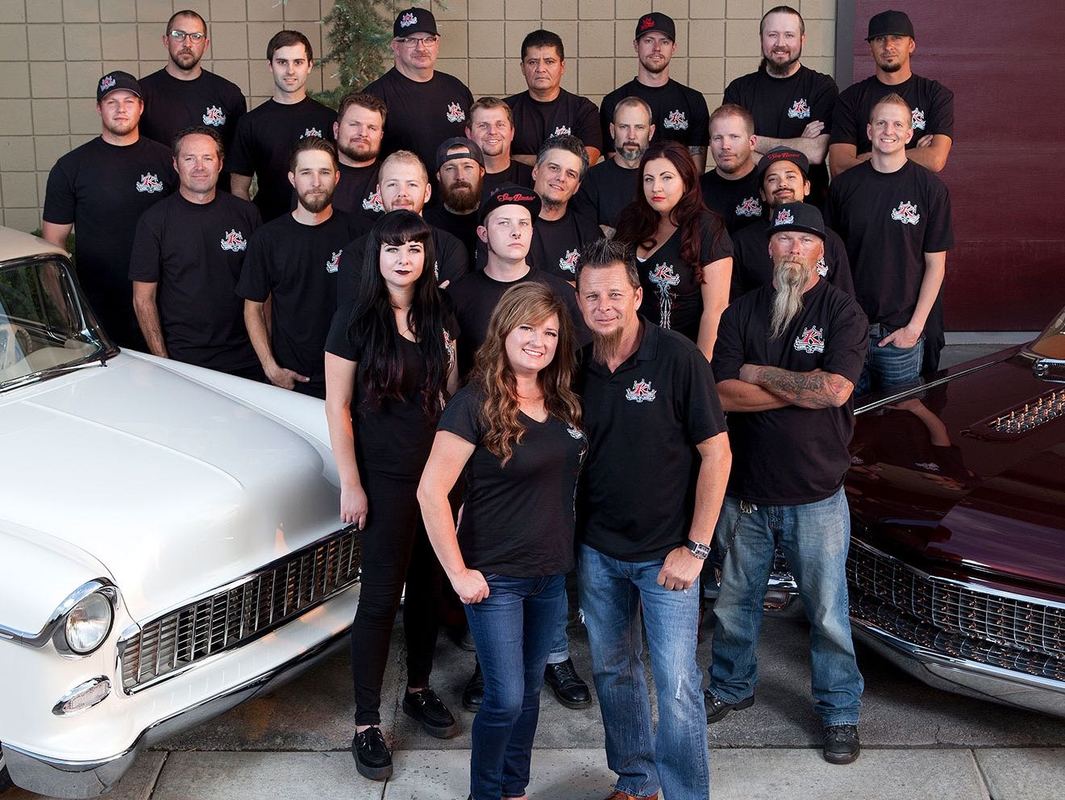
For fans of automotive customization and reality television, Kindig-It Design is a household name. Known for their intricate builds featured on the hit MotorTrend and Velocity show *Bitchin' Rides*, the shop led by Dave Kindig commands a massive following. However, even prominent custom car builders are not immune to legal trouble. The emergence of the kindig it lawsuit caught many fans and industry observers by surprise, raising questions about business practices, client expectations, and the complexities of high-end automotive restoration.
When a custom build carries a six-figure price tag and takes months or even years to complete, the potential for friction between the shop and the client is significant. While television portrays these builds as seamless, real-world custom fabrication often encounters delays, cost overruns, and shifting design goals. This article breaks down the background of the legal disputes involving Kindig-It Design, the allegations made, and what these cases reveal about the high-stakes world of custom hot rods.
Background of Kindig-It Design
Founded by Dave and Shannon Kindig in Salt Lake City, Utah, Kindig-It Design has grown from a local customization shop into a globally recognized brand. The company specializes in complete frame-off restorations, custom metal fabrication, and unique interior designs. Their work regularly wins awards at prestigious car shows like the SEMA Show and the Detroit Autorama.
The launch of *Bitchin' Rides* in 2014 propelled the business into mainstream media. With television cameras capturing every step of the process, the shop's reputation for perfection grew. Yet, the pressure to deliver flawless vehicles under tight television production schedules can sometimes complicate standard shop operations. Understanding this environment is crucial to contextualizing why legal disputes occasionally arise in the custom car industry.
Core Allegations in the Kindig It Lawsuit
Legal disputes involving custom automotive shops typically revolve around a few common pain points: missed deadlines, ballooning budgets, and disagreements over the quality or completion of work. In the case of the legal challenges faced by Kindig-It Design, plaintiffs have raised specific concerns regarding their vehicle contracts.
Contractual Disagreements and Delays
One of the primary issues cited in automotive restoration lawsuits is the timeline of the build. Custom fabrication is notoriously difficult to schedule accurately because technicians often uncover hidden rust, structural damage, or mechanical issues once a car is torn down. Clients who enter into agreements with high-end builders often allege that completion dates were pushed back indefinitely, leading to frustration and financial strain.
Video: What Happened to Dave Kindig? Lawsuit, Complaints & Where He Is in 2025

Financial Accounting and Billing Transparency
Another common point of contention involves the cost of parts, labor, and hourly rates. High-end custom builds are frequently billed on a time-and-materials basis. When a project exceeds its initial estimate—sometimes by hundreds of thousands of dollars—disputes over billing transparency inevitably follow. Clients may argue that they were not properly consulted about cost increases, while shops maintain that the additional labor was necessary to achieve the agreed-upon vision.
The Impact on the Brand and Reality TV
Legal battles can be damaging for any business, but they carry a unique weight for companies tied to entertainment and public personas. Kindig-It Design relies heavily on its reputation for integrity, craftsmanship, and customer satisfaction.
- Public Relations: Negative publicity from a lawsuit can sway potential clients who are deciding whether to entrust their classic cars and substantial investments to the shop.
- Show Dynamics: While television shows generally present a polished narrative, real-world legal friction highlights the underlying pressures of running a high-volume custom fabrication business.
- Industry Precedent: High-profile disputes in the custom car community often prompt other shops to tighten their contracts, secure larger retainers, and improve communication channels with clients.
Resolving Custom Automotive Disputes
The vast majority of builder-client disputes in the automotive industry never reach a public courtroom. Both parties typically have a strong incentive to settle privately to avoid high legal fees and negative publicity. Mediation and arbitration are common avenues used to resolve disagreements over unfinished projects, subpar work, or outstanding balances.
For consumers considering a high-end custom build, the lessons learned from these legal challenges are clear. Clear, comprehensive contracts that outline timelines, communication protocols, change-order procedures, and payment schedules are essential. Similarly, reputable shops must manage client expectations transparently, ensuring that television portrayals do not overshadow the unpredictable realities of custom automotive restoration.
Conclusion
The scrutiny surrounding the kindig it lawsuit underscores the challenges inherent in the custom car industry. While Dave Kindig and his team at Kindig-It Design continue to produce world-class vehicles that captivate enthusiasts, legal disputes serve as a reminder that business complications can happen at any level of success. By examining these cases, both builders and car owners gain a better appreciation for the importance of clear communication, rigorous contract management, and mutual trust in automotive restoration.