Kinds of Fighting Roosters: Breeds & Characteristics
Understanding the Different Kinds of Fighting Roosters
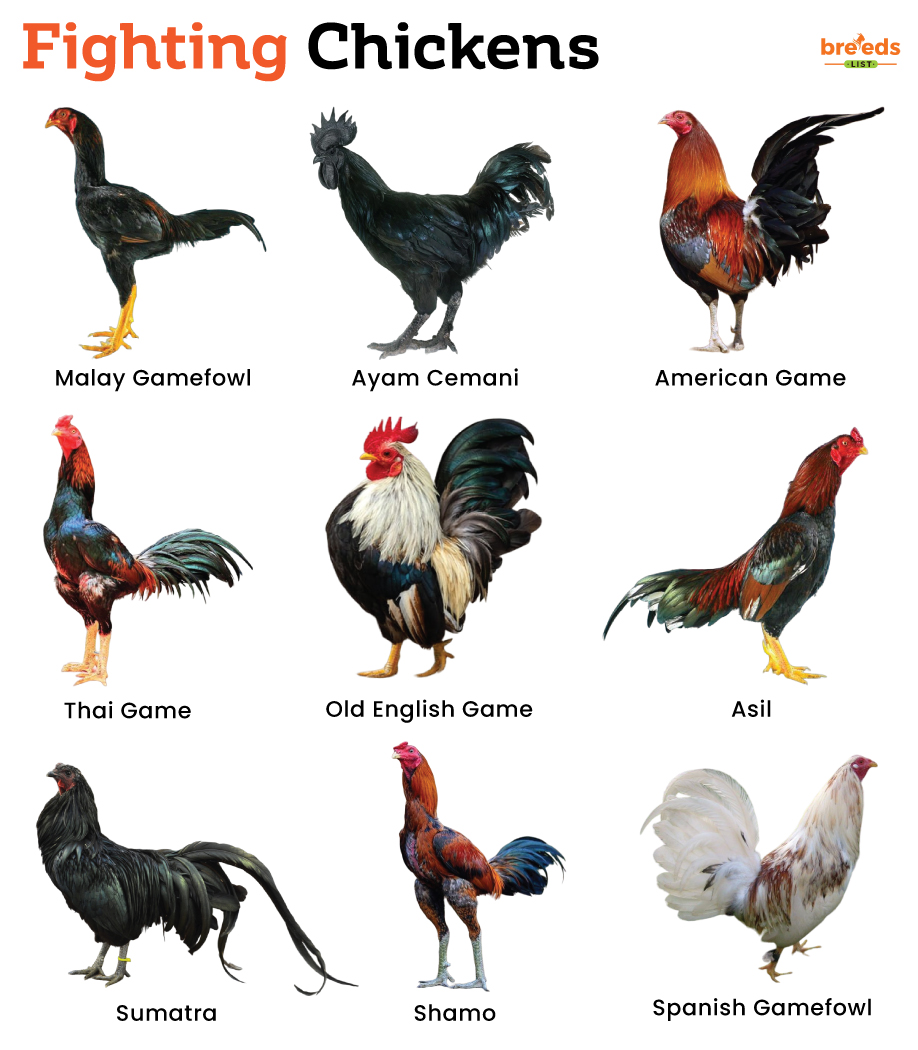
Gamefowl have been selectively bred for centuries across the globe. Throughout history, different regions developed specific kinds of fighting roosters tailored to particular traits, including agility, endurance, striking power, and temperament. While the popularity and legality of cockfighting vary drastically around the world today—being heavily regulated or outright banned in many countries—the biological lineages, preservation of heritage breeds, and poultry genetics remain subjects of significant interest among agricultural historians and specialized breeders.
To truly understand these birds, one must look beyond their reputation and examine the distinct physical attributes, weight classes, and historical origins that separate one strain from another. Here is a comprehensive breakdown of the major kinds of fighting roosters recognized in poultry history.
Major Breeds and Strains of Gamefowl
Over hundreds of years, breeders crossed native fowl with imported strains to create specialized families of game chickens. Below are the most prominent categories and specific breeds associated with fighting roosters.
1. American Gamefowl
The American Game is perhaps the most diverse category of gamefowl. Developed in the United States by combining British, Irish, and Asian breeds brought by early settlers, these roosters are not a uniform breed recognized by standard poultry associations for a single set of feather colors. Instead, they are categorized by their family strains.
- Hatch: Developed by a breeder named John Hatch, these birds are typically heavy-boned, with single combs and reddish-yellow plumage. They are known for their exceptional punching power.
- Kelso: Created by Walter Kelso, these roosters often feature straight combs and varied feather patterns. They are historically famed for their intelligence and cutting ability in the pit.
- Grey: Characterized by distinctive white and grey plumage, Grey strains are valued for their agility and defensive fighting style.
- Roundhead: Known for their pea combs and distinct red eyes, Roundheads are descendants of Oriental fowl crossed with English stock, prized for their speed.
2. Asil (Aseel)
Originating in the Indian subcontinent, the Asil is considered one of the oldest pure kinds of fighting roosters in existence. Ancient writers and warriors prized the Asil for its unmatched gameness, dignity, and muscular build.
Asils possess a distinct morphology that sets them apart from typical farmyard chickens:
- Body Structure: Short, heavily muscled, with broad shoulders and a nearly upright stance.
- Head: Hawk-like head with a short, curved beak and a walnut or strawberry comb.
- Plumage: Stiff, sparse feathers that expose thick, tough skin designed to withstand heavy impact.
While slow to mature, an adult Asil rooster is exceptionally powerful and forms the genetic foundation for many modern heavy gamefowl breeds.
3. Oriental Gamefowl (Shamo and Malay)
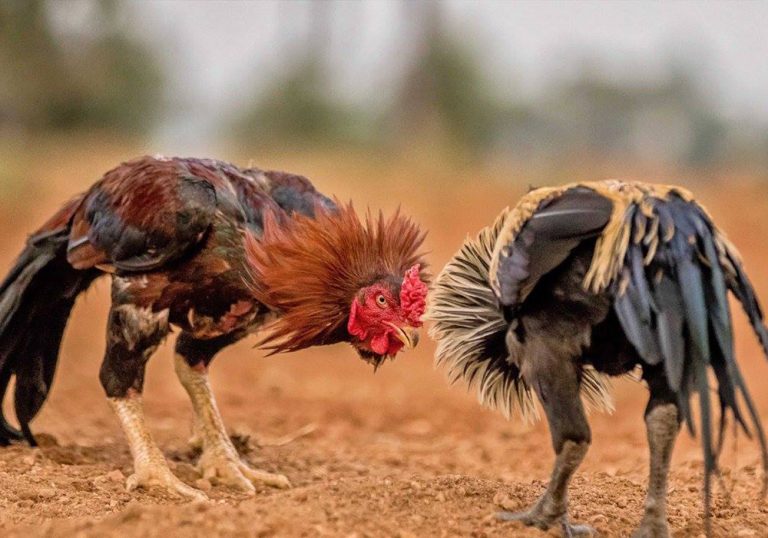
Imported from Asia, large Oriental breeds like the Shamo (from Japan) and the Malay (from Southeast Asia) introduced massive size and reach to the world of gamefowl. These roosters are easily distinguished by their towering height, long necks, upright posture, and stern, almost reptilian expressions.
Shamo roosters, in particular, are exceptionally heavy, often exceeding 8 to 10 pounds. They rely heavily on raw strength, grappling techniques, and powerful legs rather than speed alone. Their stamina and resilience made them foundational in developing heavy-weight fighting strains across the globe.
4. Old English Game
The Old English Game rooster is a direct descendant of the fighting cocks used by the ancient Romans and Britons. Historically, they were the standard fighting bird of the British Isles before the sport was banned in 1849.
True Old English Games are compact, tightly feathered, and incredibly agile. Unlike the larger Oriental breeds, they are relatively small, featuring a proud carriage, single combs, and a fiery disposition. Today, they are primarily kept by exhibition poultry fanciers who appreciate their historical aesthetics and hardiness.
5. Modern Game and Minor Strains
As actual fighting declined in Western nations during the 19th and 20th centuries, some breeders crossed old fighting strains with exhibition breeds like the Malayan and Modern Game. The Modern Game bird, with its extremely long legs and slender neck, was bred strictly for the show ring rather than athletic utility. Other regional strains, such as the Spanish Game, the Melungeon, and various Filipino native Titser strains, continue to be preserved for their unique genetic traits.
Physical and Behavioral Traits Common to Gamefowl
Regardless of the specific kind, gamefowl share several distinct biological and psychological characteristics that separate them from standard egg-laying or meat-producing poultry.
- High Agility and Low Body Fat: Game roosters possess lean, athletic frames with minimal excess fat, maximizing their speed and endurance.
- Extreme Gameness: "Gameness" refers to the psychological drive to persevere despite injury or exhaustion. Centuries of selective breeding maximized this trait.
- Aggressive Territoriality: Mature roosters of these breeds have a very low tolerance for other dominant males, requiring careful, separate housing to prevent fatal injuries.
- Tough Skin and Dense Muscle: Their physiological makeup includes thicker skin and specialized musculature designed to absorb physical trauma.
Preservation and Modern Status
Today, while the keeping of fighting roosters remains strictly regulated or illegal in most developed nations due to animal welfare laws, the preservation of these genetic lines remains a niche hobby. Heritage poultry conservationists and preservationists maintain pure strains like the Asil and Old English Game to protect agricultural biodiversity, ensuring that centuries of unique avian genetics are not lost forever.