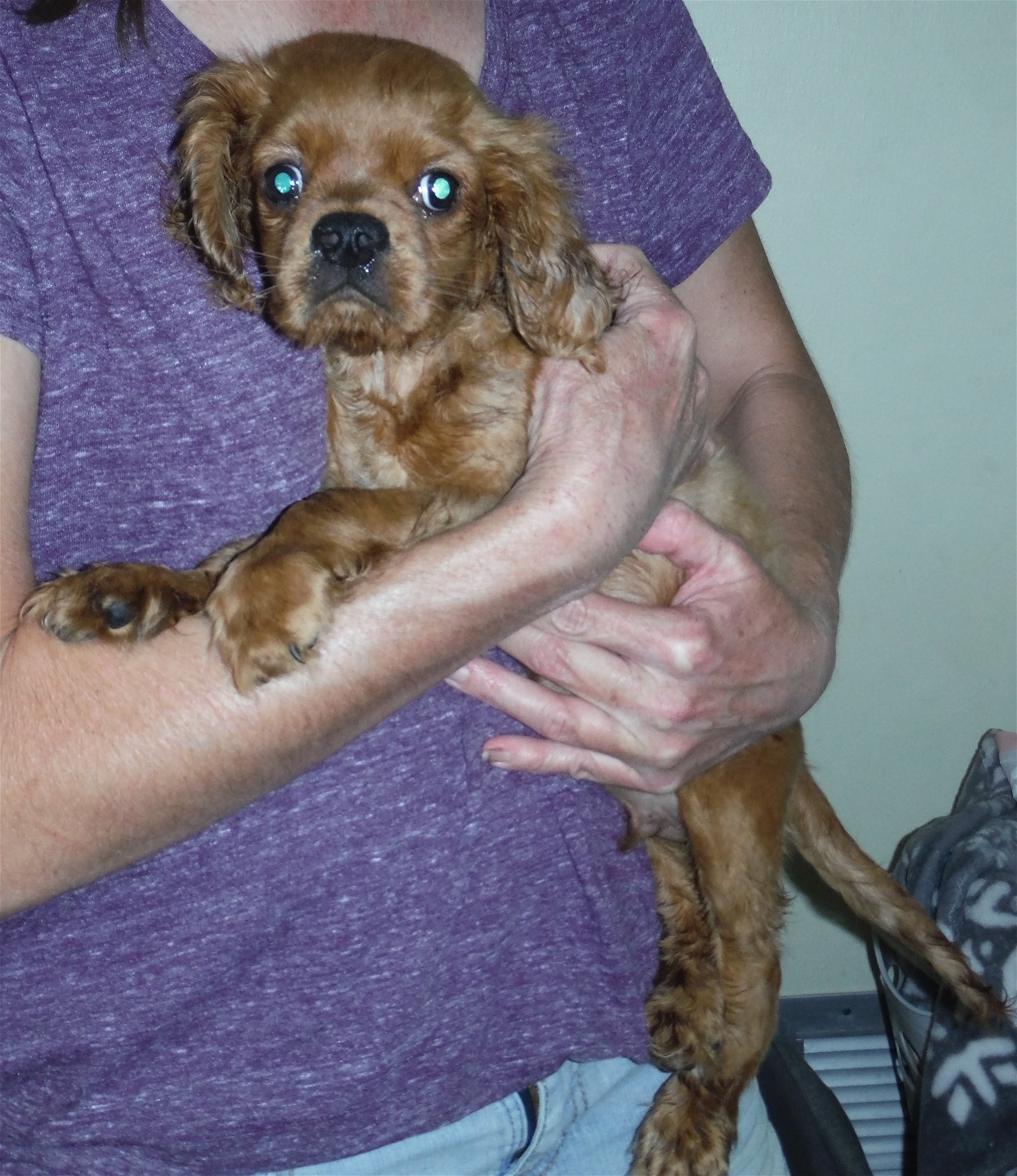
King Charles Cavalier Spaniel Rescue: Complete Guide
Cavalier King Charles Spaniels are beloved for their gentle eyes, affectionate personalities, and royal heritage. However, many of these sweet dogs end up in shelters or foster homes due to owner lifestyle changes, financial constraints, or puppy mill seizures. Working with a dedicated King Charles Cavalier Spaniel rescue is one of the most rewarding ways to bring one of these companion dogs into your home while saving a life.

Why Adopt Through a Cavalier Spaniel Rescue?
Unlike buying from a breeder, adopting an adult or senior Cavalier through a specialized rescue group offers unique advantages. Breed-specific rescues focus exclusively on the spaniel temperament, health issues, and behavioral traits. This means the people evaluating the dogs understand the exact nature of the breed.
Furthermore, rescue dogs typically live in foster homes rather than traditional kennel environments. Foster parents observe the dog's daily habits, house-training progress, and compatibility with cats, children, or other dogs. This gives you a realistic, transparent view of the dog before you finalize the adoption.
Common Reasons Cavaliers End Up in Rescue
It is a common misconception that dogs in rescue are "damaged" or aggressive. In reality, the vast majority of Cavaliers surrender to rescue organizations through no fault of their own. Typical scenarios include:
- Owner Life Changes: Divorce, long work hours, relocation, or severe health decline that makes pet ownership impossible.
- Financial Strain: Veterinary costs associated with the breed's common health predispositions.
- Puppy Mill Seizures: Rescues frequently pull breeding dogs from commercial facilities where they received little socialization.
- Unrealistic expectations from owners who did not prepare for the grooming and companionship needs of a toy spaniel.
The Adoption Process Explained
Adopting from a breed-specific rescue is thorough to ensure a permanent, loving match. Knowing what to expect can help you prepare your application.
1. The Application and Screening
You will need to fill out a detailed application outlining your home environment, daily routine, fencing situation, and previous pet ownership history. Rescues want to know if you work from home or if the dog will be left alone for long periods, as Cavaliers suffer greatly from separation anxiety.
2. Veterinary and Personal References
Expect the rescue to contact your current or past veterinarian to verify that your previous pets were kept up-to-date on vaccinations, heartworm prevention, and routine wellness care.
3. The Home Visit
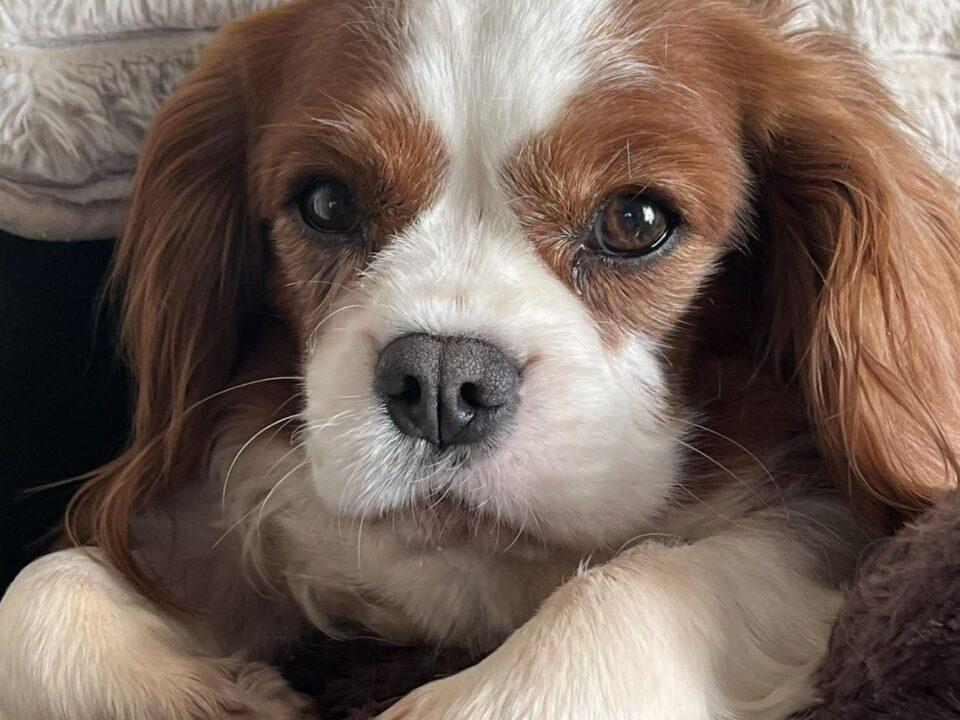
Video: 33 Cavalier Spaniels Locked in a U-Haul, This One Never Heard the Word 'Treat'
Many rescues require a virtual or in-person home visit to check for safety hazards, secure fencing (if applicable), and ensure a safe space for your new spaniel.
4. Meeting the Dog
Once approved, the rescue will arrange a meeting between you, your family members, and the foster dog. If you have other dogs, a "meet-and-greet" is mandatory to ensure everyone gets along.
Special Health Considerations for Rescue Cavaliers
Before bringing home your rescue dog, it is vital to understand the breed's medical profile. Cavaliers are prone to several hereditary conditions that may require ongoing management and financial investment:
- Mitral Valve Disease (MVD): A heart condition that affects nearly all Cavaliers as they age. A rescue will provide a veterinary assessment of the heart murmur grade.
- Syringomyelia (SM): A serious neurological condition caused by a malformation at the base of the skull.
- Ear Infections: Their long, pendulous ears trap moisture, making regular cleaning essential.
- Patellar Luxation: Slipping kneecaps common in toy breeds.
Ask the rescue coordinator for the dog's full medical history, recent bloodwork, and any medications they currently require.
Preparing Your Home for a Rescue Spaniel
Transitioning into a new home can be overwhelming for a rescue dog. Setting up a predictable, calm environment helps them decompress during the first few weeks.
Essential Supplies to Gather
- Harness and Leash: Never attach a leash directly to a Cavalier's collar, as pulling can damage their delicate windpipes (tracheal collapse). Use a well-fitted soft harness instead.
- Secure Crates and Gates: Useful for safe containment and house-training reinforcement.
- Grooming Tools: A slicker brush and a metal comb to manage their silky, knot-prone coats.
- High-Value Treats: Essential for positive reinforcement training.
Alternatives to Breed-Specific Rescues
If there are no dedicated Cavalier rescues operating in your region, consider broader alternatives:
- All-breed local humane societies and county animal shelters.
- Toy breed rescue groups that frequently take in spaniels and spaniel mixes.
- National foster networks that transport dogs across state lines.
Final Thoughts
Adopting a dog through a King Charles Cavalier Spaniel rescue changes a life forever. While rescue dogs may carry a bit of baggage or require medical maintenance, their capacity for loyalty and affection is boundless. By doing your research, preparing your home, and working closely with rescue volunteers, you will gain a devoted shadow and a lifelong best friend.