Kobe Bryant Crash Autopsy Photos: The Truth
On January 26, 2020, the world was rocked by the sudden and tragic passing of NBA legend Kobe Bryant, his 13-year-old daughter Gianna, and seven others in a helicopter crash in Calabasas, California. While the global community mourned the loss of a sporting icon, a secondary tragedy unfolded behind the scenes involving digital exploitation, unauthorized imagery, and a landmark legal battle. The intense public curiosity surrounding the Kobe Bryant crash autopsy photos sparked vital conversations about first responder ethics, digital privacy, and the psychological toll of modern media on grieving families.

The Controversy Surrounding the Kobe Bryant Crash Autopsy Photos
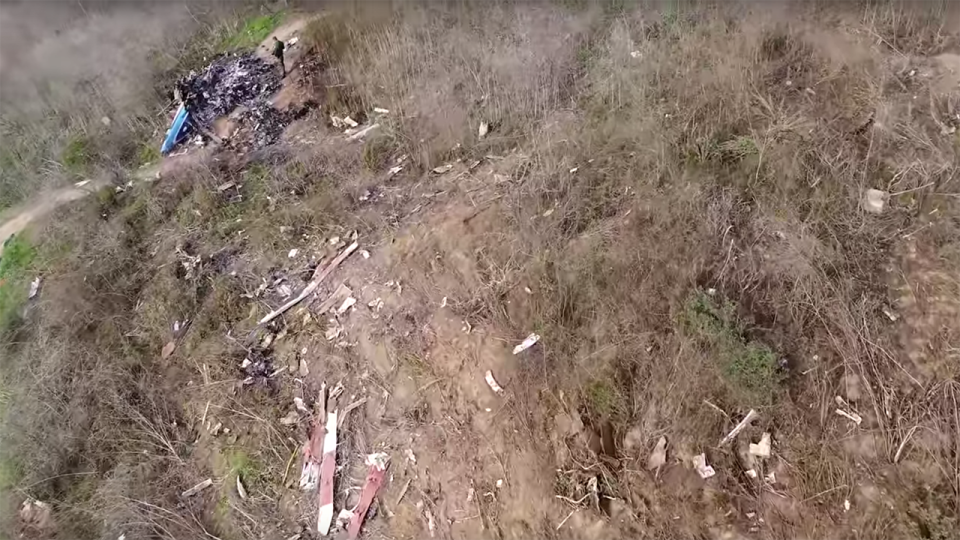
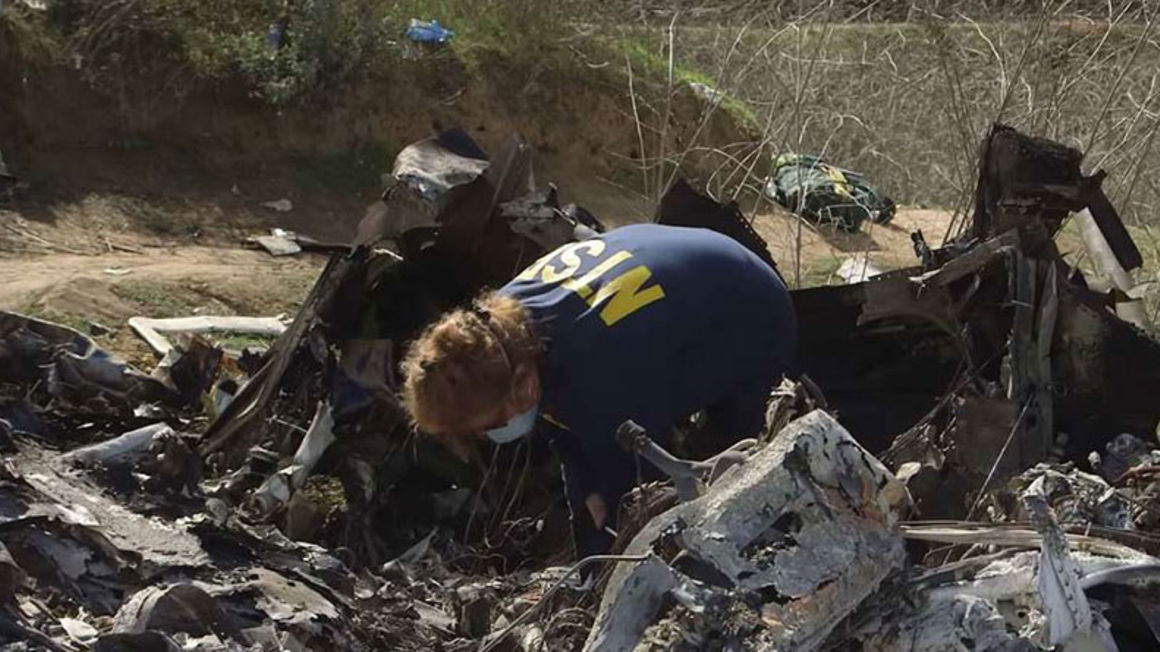
In the immediate aftermath of the crash, National Transportation Safety Board (NTSB) investigators, county sheriffs, and fire personnel rushed to the remote hillside. While their official duty was to secure the site and investigate the mechanical and environmental causes of the accident, a breach of professional conduct occurred.
First responders, including members of the Los Angeles County Sheriff's Department and the Los Angeles County Fire Department, took unauthorized photographs of the crash scene, including remains. Rather than keeping these images secure for official use, some individuals shared them in deeply inappropriate settings. Reports later emerged of deputies showing the graphic pictures in public venues, such as a local bar, and sharing them casually with acquaintances.
What the Official Autopsy Reports Actually Reveal
Public fascination often blurs the line between official documentation and leaked graphic imagery. The official Los Angeles County Department of Medical Examiner-Coroner's report is a matter of public record, detailing the medical findings of the tragedy without the need for sensationalized visuals.
According to the official medical examiner reports:
- The cause of death for all nine victims was determined to be blunt trauma.
- The manner of death was officially ruled an accident.
- Toxicology screenings for the pilot, Ara Zobayan, showed no evidence of illicit drugs or alcohol.
- The injuries sustained were catastrophic and instantaneous, indicating that the victims did not suffer.
These factual details provide medical closure and technical understanding, rendering graphic, leaked photographs entirely unnecessary for public safety or historical record-keeping.
The Legal Battle Led by Vanessa Bryant
When Vanessa Bryant learned that deputies and firefighters had shared unauthorized photos of her deceased husband and daughter, she initiated a fierce legal crusade. Her primary objective was twofold: to hold the responsible government agencies accountable and to prevent any future exploitation of crash victims and their families.
In August 2022, a federal jury reached a verdict in Vanessa Bryant’s civil lawsuit against Los Angeles County. The jury awarded her $16 million in damages, finding that the county violated her constitutional rights and caused severe emotional distress through the mishandling and sharing of the sensitive images. A subsequent settlement resolved remaining claims with co-plaintiffs, bringing the total financial payout to nearly $30 million.
Beyond financial restitution, the case catalyzed systemic legislative change. California Governor Gavin Newsom signed 'Kobe's Law' (Assembly Bill 2655), making it a crime for first responders to take unauthorized photos of deceased people at crime and accident scenes.
Digital Ethics and Public Responsibility
The dark reality behind the search for the Kobe Bryant crash autopsy photos highlights a troubling shift in modern digital culture. As high-speed internet and social media platforms enable the rapid distribution of content, digital boundaries frequently erode.
Search engine queries for leaked crash photos expose a morbid curiosity that often prioritizes sensationalism over basic human empathy. Technology platforms, regulatory bodies, and individual internet users share a collective responsibility to reject the consumption of exploited private tragedies.
How Families Are Protected Today
The legal precedents set by the Bryant family's lawsuits have fundamentally changed how law enforcement agencies handle sensitive accident scenes:
- Stricter Device Policies: Many police and fire departments have implemented strict protocols prohibiting personal cell phone use in restricted disaster zones.
- Enhanced Penalties: First responders face immediate termination, loss of pension, and criminal prosecution for capturing or distributing unauthorized scene media.
- Platform Moderation: Social media giants have ramped up automated detection algorithms to scrub and ban accounts attempting to circulate illicit crash imagery.
Honoring the Legacy Beyond the Tragedy
Ultimately, the enduring narrative of Kobe Bryant’s final moments should not be defined by the security breaches of first responders or the underground circulation of illicit files. Instead, his legacy remains anchored in his historic basketball career, his dedication to growing women's sports through the Mamba and Mambacita Sports Foundation, and the resilience of his surviving family.
The strict legal protections and heightened public awareness surrounding the Kobe Bryant crash autopsy photos ensure that future families will have stronger legal safeguards against digital voyeurism, allowing them to grieve with dignity.