Kobe Bryant Crash Image: Did Investigators Mishandle It?
On January 26, 2020, a tragic helicopter crash in Calabasas, California, claimed the lives of nine people, including NBA legend Kobe Bryant, his 13-year-old daughter Gianna, and seven others. While the aviation world focused on the weather conditions and pilot decisions, a secondary crisis erupted within days: the unauthorized sharing of graphic scene photographs. The controversy surrounding the Kobe Bryant crash image sparked intense public outrage, a landmark federal lawsuit, and deep scrutiny into how first responders handle sensitive tragedy scenes.

The Leak and Initial Discovery
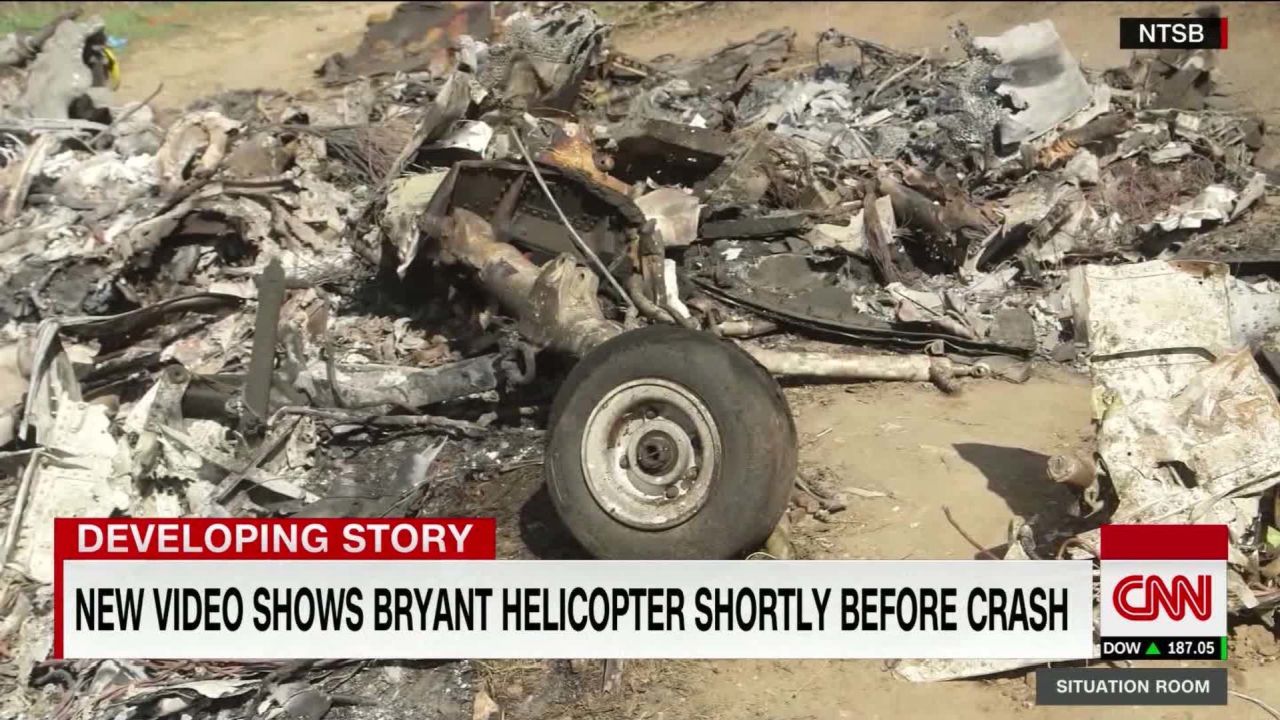
In the immediate aftermath of the crash, personnel from the Los Angeles County Sheriff's Department (LASD) and the Los Angeles County Fire Department responded to the remote hillside. Amid the chaotic rescue and recovery efforts, several deputies and firefighters captured personal smartphone photos of the wreckage and human remains.
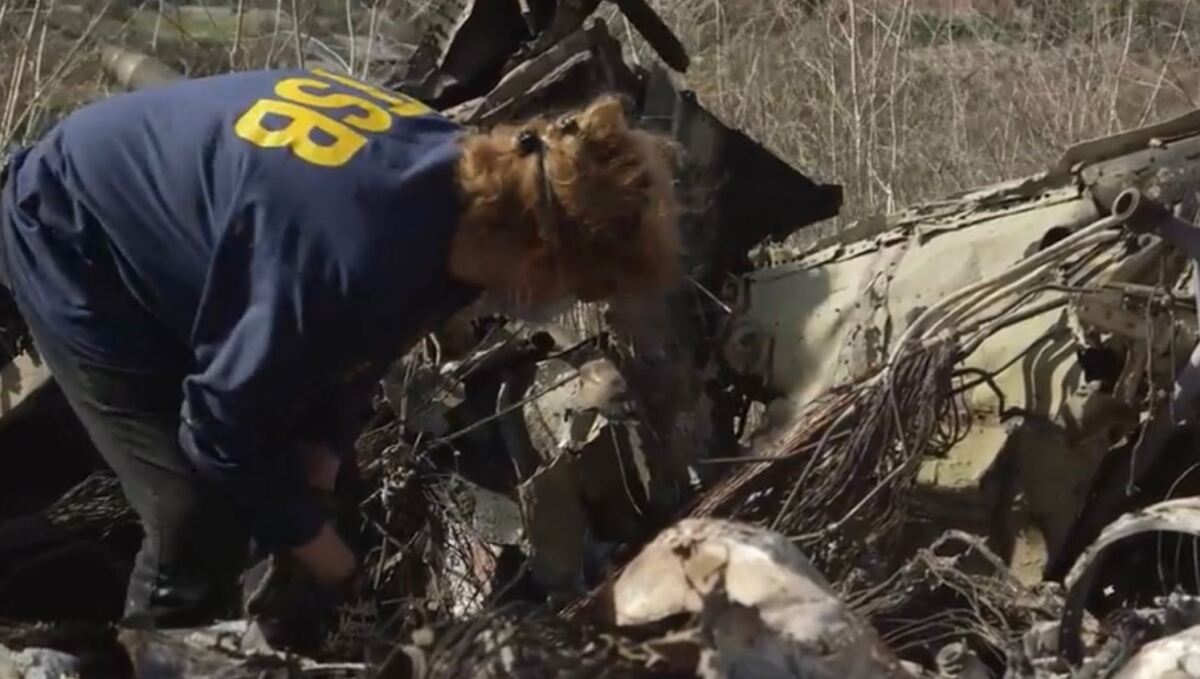
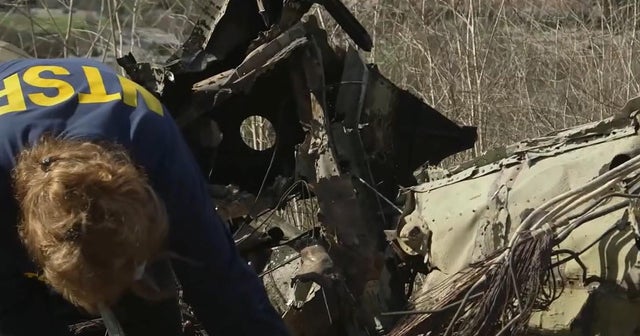
Crucially, these photos were not captured for official investigative documentation. Official NTSB and coroner investigators followed strict protocols for scene photography. Instead, these personal photos were taken out of morbid curiosity or poor judgment and subsequently shared in social settings.
How the Photos Spread
The unauthorized distribution of the graphic images came to light through a citizen's complaint:
- The Bar Incident: A deputy-in-training was drinking at a Norwalk, California, bar a few days after the crash. To impress a bartender, he showed him graphic photos of the crash victims on his phone.
- The Whistleblower: A patron overheard the conversation, was deeply disturbed by the breach of ethics, and filed an online complaint with the LASD.
- Internal Spread: Subsequent investigations revealed that the photos had been sent to multiple deputies, a firefighter, and their respective spouses or significant others. One deputy had stored nearly 100 photos on his personal device.
Did Investigators Mishandle the Scene Protocol?
When evaluating the question of whether authorities mishandled the scene, the answer is twofold. Technically, the physical recovery of the aircraft and victims followed standard chaotic protocols for a mountain disaster. However, the digital and ethical handling of the scene was a catastrophic failure.
Law enforcement standards dictate that crime scenes and accident sites are restricted areas where personal recording for non-official use is strictly prohibited. By allowing personnel to snap close-up photos of victims with personal cell phones, supervisory staff failed to maintain scene integrity and respect for the deceased.

The Cover-Up Allegations
The handling of the incident by department leadership drew even harsher criticism than the initial leaks. When LASD Sheriff Alex Villanueva learned of the photos, he reportedly ordered the deputies to delete them, promising that no disciplinary action would be taken if the images were destroyed.
Critics and legal experts argued that this "delete and forgive" policy amounted to a cover-up, destroying potential evidence of internal misconduct and shielding deputies from accountability until media reports forced public transparency.
The Legal Fallout and Federal Lawsuit
Vanessa Bryant, Kobe Bryant's widow, subsequently filed a federal civil rights lawsuit against Los Angeles County for negligence, invasion of privacy, and intentional infliction of emotional distress. She argued that the existence and potential future public circulation of the Kobe Bryant crash image added unbearable trauma to her grief.
During the landmark 2022 trial, testimony revealed the casual manner in which the photos were passed around. Firefighters and deputies showed the images at awards banquets and sports bars. The jury ultimately ruled in favor of Vanessa Bryant and co-plaintiff Christopher Chester (who lost his wife and daughter in the crash), awarding tens of millions of dollars in damages.
Lessons Learned for First Responders
The scandal fundamentally changed policies regarding digital devices at major incident scenes across California and set a nationwide precedent. Law enforcement agencies have since tightened regulations regarding personal smartphones at accident sites, implementing strict zero-tolerance policies for taking or sharing unauthorized media.
Ultimately, while the official investigative agencies accurately determined the mechanical and environmental causes of the aviation accident, the human element of the response exposed deep ethical flaws. The handling of the personal data and imagery from the site remains a cautionary tale about digital privacy, professional ethics, and respect for victims in the age of smartphones.