Kong: Skull Island Wiki Guide & Movie Facts
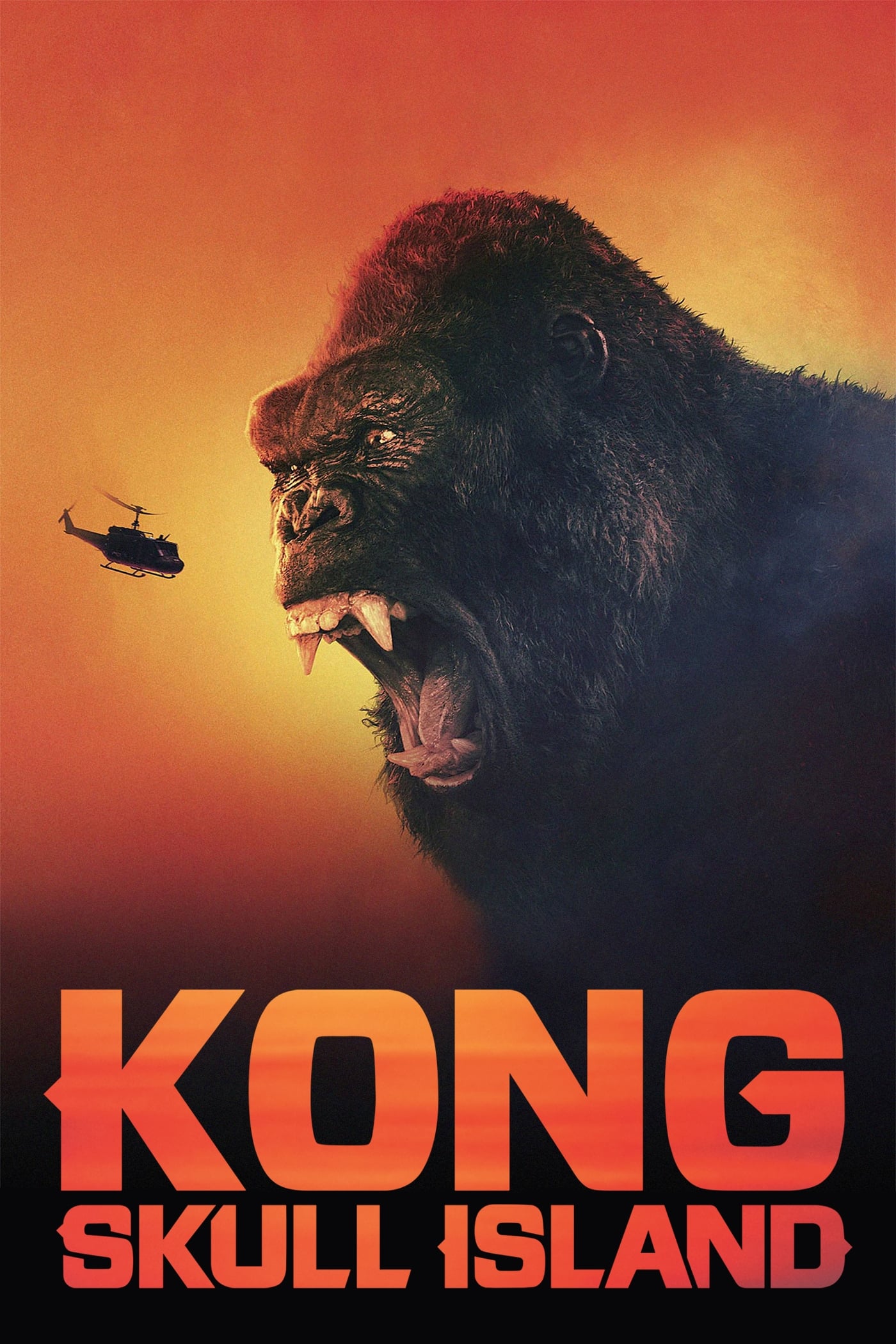
Released in 2017, Kong: Skull Island revitalized one of cinema's most iconic monsters by placing him in a gritty, Vietnam War-era adventure. Directed by Jordan Vogt-Roberts, the film serves as a crucial building block for Legendary Entertainment's MonsterVerse. If you are browsing a kong skull island wiki to understand the film's production secrets, monster lore, and cinematic universe connections, you have come to the right place.

Plot Overview and Setting
The film is set in 1973, near the end of the Vietnam War. Government agent Bill Randa (played by John Goodman), working for the secretive organization Monarch, secures funding to explore a newly discovered, uncharted landmass known simply as Skull Island. Surrounded by a permanent, violent storm barrier, the island remains hidden from standard satellite imagery.
Randa recruits a multidisciplinary team for the expedition:
- James Conrad: A former British SAS tracker and expert in survival.
- Mason Weaver: An anti-war photojournalist looking to expose government secrets.
- Packard's Sky Devils: A squadron of military helicopter pilots led by Lieutenant Colonel Preston Packard.
Upon dropping seismic explosives onto the island to map its terrain, the team instantly provokes the island's protector: a colossal, bipedal ape known as Kong. The explosions destroy the helicopters, stranding the survivors across the dangerous jungle and setting off a desperate fight for survival against both Kong and the island's terrifying subterranean predators.
The Monsters of Skull Island
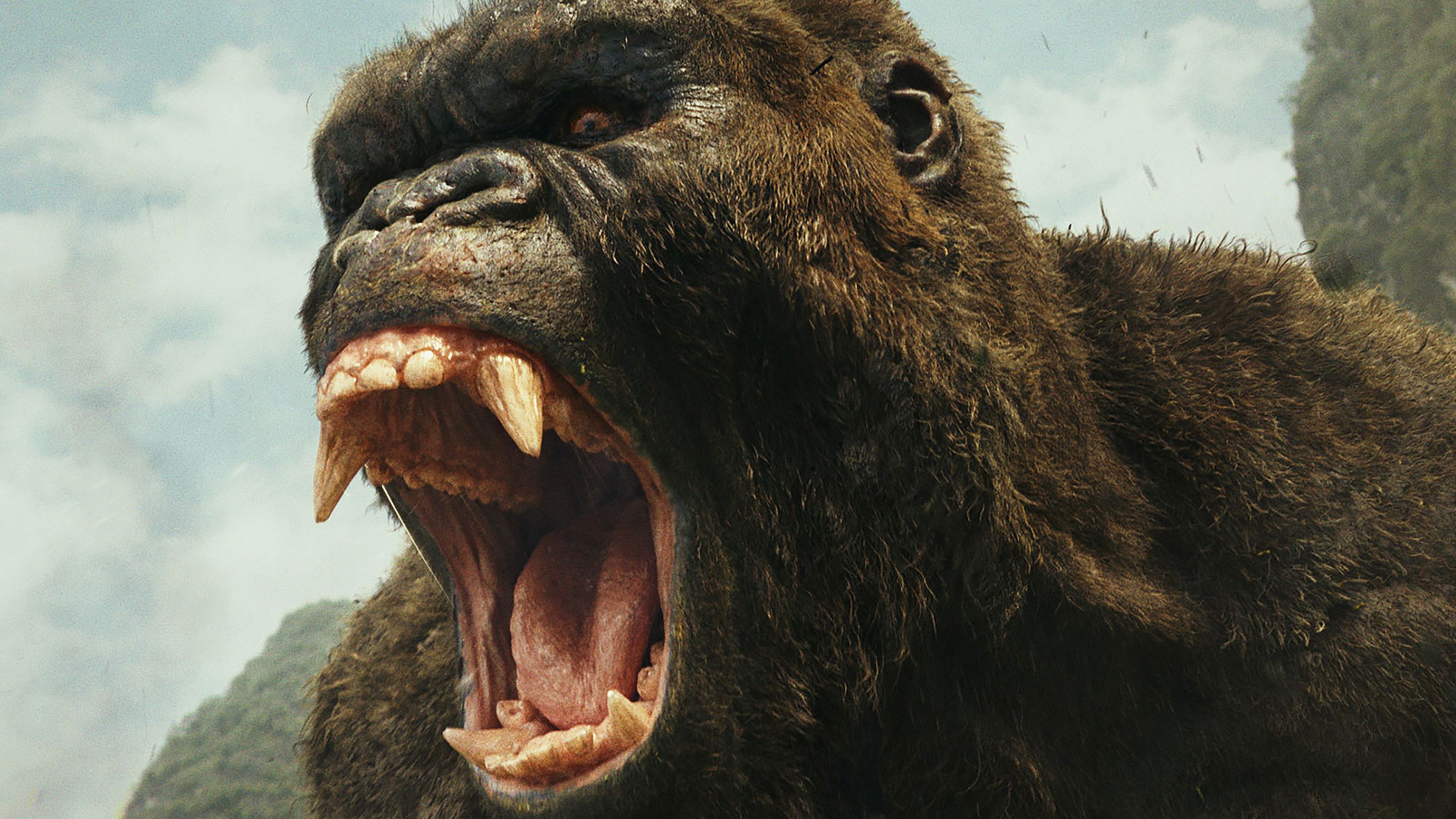
Unlike previous iterations where Kong is roughly 25 to 50 feet tall, the MonsterVerse version stands an impressive 100 feet tall. Director Jordan Vogt-Roberts deliberately scaled him up so that humans would feel utterly insignificant in his presence, framing him as a misunderstood god rather than a circus attraction.
Skullcrawlers
The primary antagonists of the film are the Skullcrawlers, reptilian, two-legged monsters with skull-like heads and long, prehensile tails. These creatures slaughtered Kong’s entire species, leaving him as the sole defender of the island. They live deep within the subterranean caverns of Skull Island, and the human seismic charges inadvertently awaken them, driving the film's third-act conflict.
Endemic Wildlife
Skull Island is home to a bizarre ecosystem of oversized and fantastical creatures, including:

- Sker Buffalo: Massive water buffalo with moss-covered horns that survive underwater by using their horns like snorkels.
- Psychovultures: Aggressive, predatory birds with segmented, insect-like wings.
- Mother Longlegs: Towering, arachnid-like creatures whose legs mimic bamboo stalks for camouflage.
- Spore Mantis: Giant walking-stick insects that resemble fallen tree logs.
Production and Visual Style
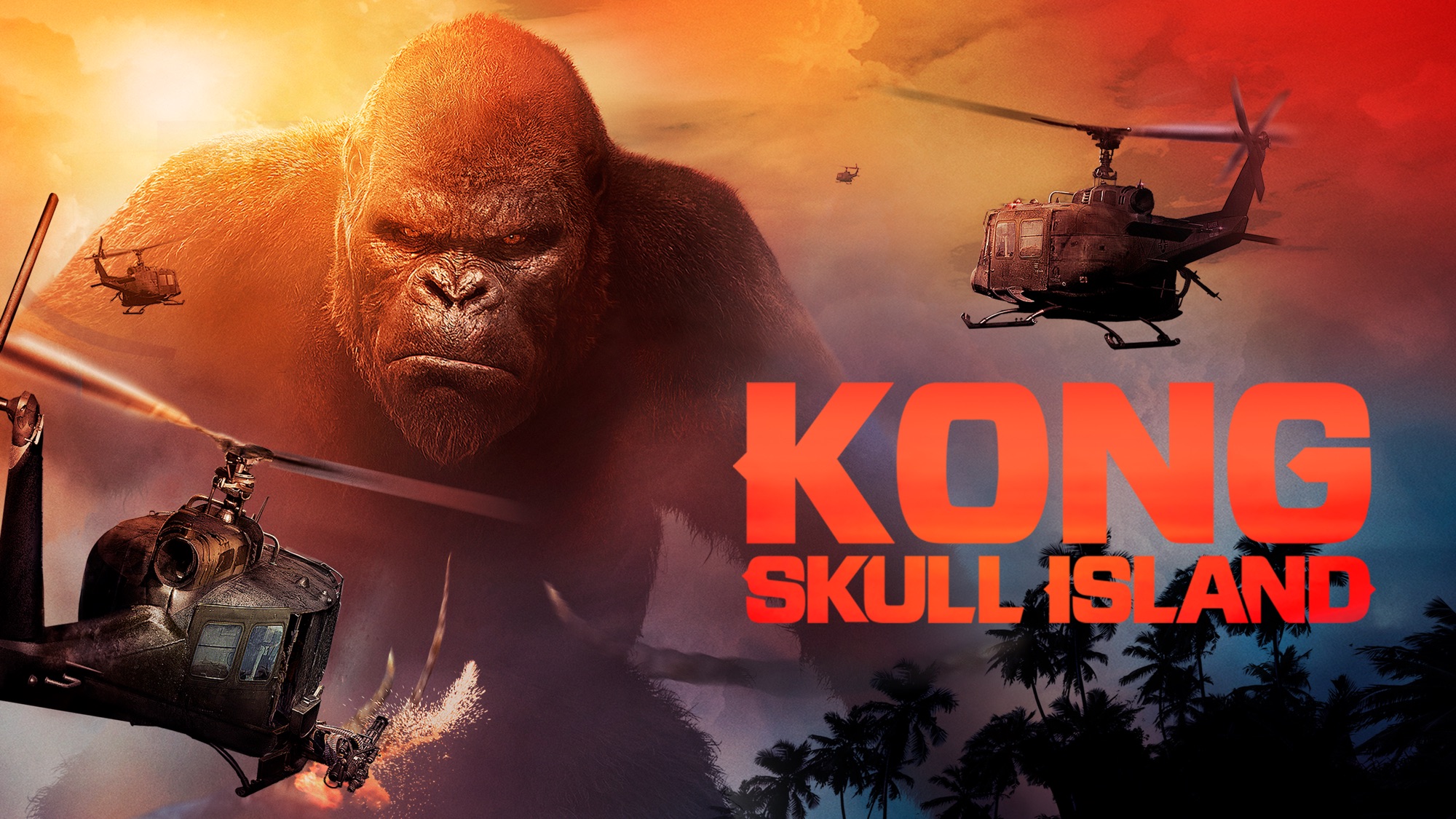
Development on a new King Kong prequel began at Universal Pictures before moving to Warner Bros. and Legendary to align with the studio's shared monster franchise. The film's aesthetic heavily draws inspiration from classic Vietnam War cinema, most notably Apocalypse Now and Platoon. The use of classic 1970s rock music, orange flare smoke, and silhouette shots of Huey helicopters against fiery sunsets gives the movie a distinct visual identity that separates it from standard monster flicks.
Principal photography took place across multiple exotic locations to capture the primal feel of the island. Crews filmed in:
- Oahu and Kauai, Hawaii
- The Gold Coast of Queensland, Australia
- Trang, Ninh Bình, and Hạ Long Bay in Vietnam
Connection to the MonsterVerse
As the second installment in Legendary's MonsterVerse following 2014's Godzilla, Kong: Skull Island significantly expands the franchise's lore. The Monarch organization takes center stage, establishing that humanity has known about giant ancient superspecies (known as Titans) for decades.
The Post-Credits Scene
One of the most heavily discussed sections of any Kong: Skull Island wiki is the film's post-credits sequence. Conrad and Weaver are detained by Monarch operatives in an interrogation room. They are introduced to two key characters: Dr. Houston Brooks and San Jeung. The operatives reveal that Kong is not the only king, showing cave paintings of other legendary Titans.
The sequence flashes classic cave art and roaring audio cues of Godzilla, Rodan, Mothra, and King Ghidorah. This explicit tease directly set up the events of 2019's Godzilla: King of the Monsters and laid the groundwork for the epic showdown in Godzilla vs. Kong (2021) and its sequel, Godzilla x Kong: The New Empire (2024).
Legacy and Reception
Kong: Skull Island was a major commercial and critical success. Grossing over $566 million worldwide against a production budget of roughly $185 million, it proved that audiences still had an appetite for grand-scale monster adventures. Critics praised the fast-paced action, vibrant cinematography, and the refreshing choice to skip the traditional "beauty and the beast" New York City captivity narrative in favor of a pure survival story.
Today, the film remains a fan-favorite entry in modern monster cinema, celebrated for its creative creature designs, energetic soundtrack, and seamless integration into a larger cinematic universe.