Koochiching County Traffic Tickets: What to Know
Finding a traffic citation fluttering under your windshield wiper or receiving one directly from a law enforcement officer is rarely how anyone wants to start their day. If you received a citation in Minnesota's northernmost reaches, **Navigating Traffic Tickets in the Koochiching County Justice System** requires understanding both state-level motor vehicle laws and local courthouse procedures. Whether you were pulled over on U.S. Highway 53, near International Falls, or on a scenic county road, handling the ticket promptly and correctly can save you money, prevent insurance hikes, and keep your driver's license secure.
Understanding Your Koochiching County Traffic Citation
When an officer pulls you over and issues a citation, that piece of paper is essentially a summons to either pay a fine or appear in court. In Minnesota, traffic violations generally fall into two categories: petty misdemeanors and misdemeanors (or gross misdemeanors for severe offenses like reckless or drunk driving).
A standard speeding ticket or rolling-stop infraction is typically classified as a petty misdemeanor. This means it is not a criminal offense, it will not result in jail time, and it will not appear on a standard criminal record. However, it still carries financial penalties and adds points to your driving record, which can impact your auto insurance rates.
Where to Find Key Information
Take a close look at your physical citation. Within the text, you will find critical details that dictate your next moves:
-
- Violation Date and Location: Where the alleged infraction occurred within Koochiching County.
- Statute Number: The specific Minnesota law you allegedly violated.
- Court Contact Information: Details for the Koochiching County Court Administrator.
- Response Deadline: The date by which you must either pay the fine or enter a plea.
Your Options: Pay, Contest, or Appear
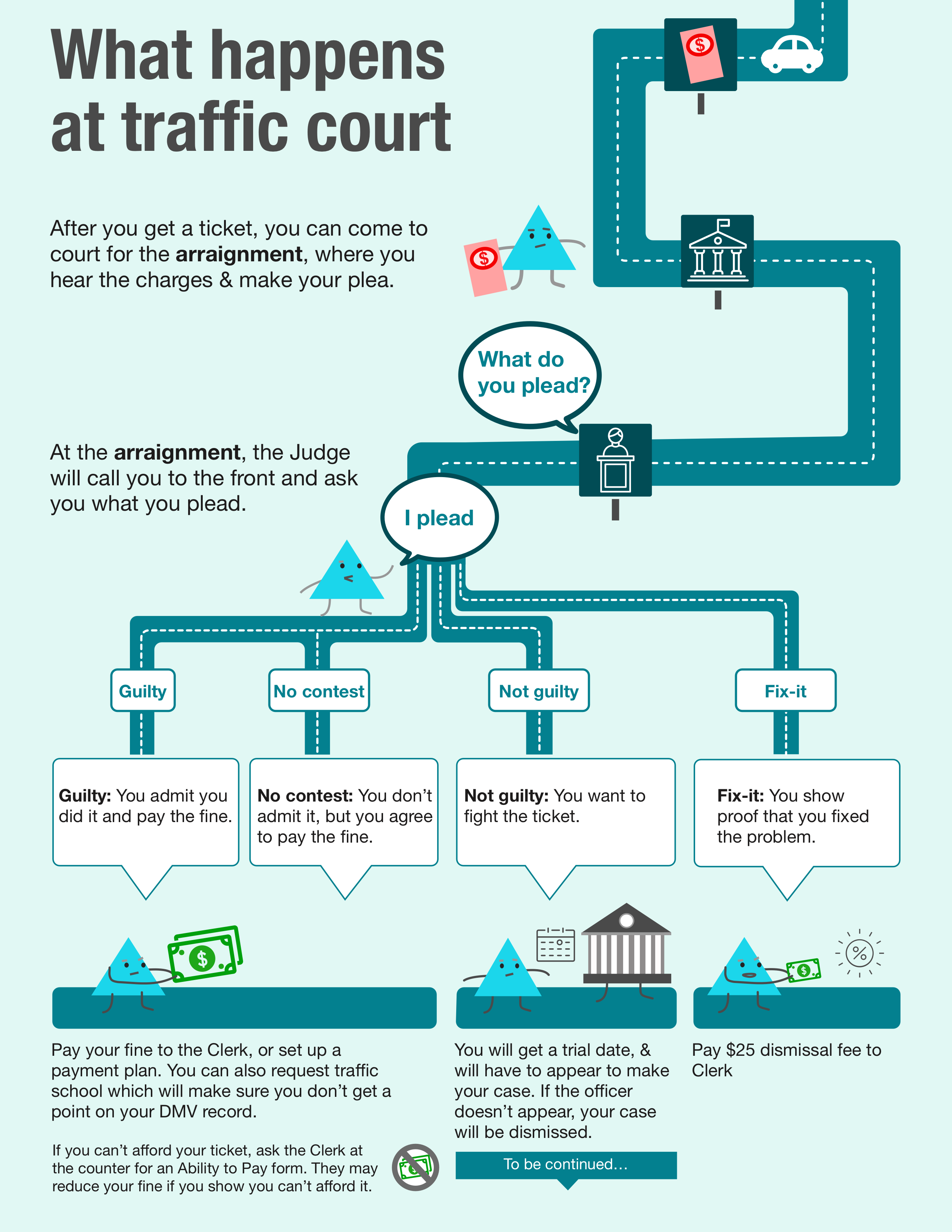
Once you have the citation in hand, you generally have three main paths forward. Ignoring the ticket is never one of them, as failure to respond triggers a warrant for your arrest and suspension of your driver's license through the Minnesota Department of Public Safety (DPS).
1. Pay the Fine (Guilty Plea)
Paying the fine is treated as a guilty plea (or a plea of no contest, known legally as *nolo contendere*). You can often pay online through the Minnesota Court Payment Center, by phone, or by mail. By paying the fine, you waive your right to a hearing, the conviction is entered onto your driving record, and the matter is closed financially.
2. Request a Hearing (Contest the Ticket)
If you believe the citation was issued in error—perhaps your speedometer was recently calibrated, or the officer mistook your vehicle for another—you have the right to challenge it. You must notify the court before your payment deadline to request a contested hearing.

During this process, you will typically first speak with a prosecutor or court official during a settlement conference. They may offer a reduced charge or a diversion program. If no agreement is reached, your case proceeds to a trial before a judge, where the state must prove the violation occurred beyond a reasonable doubt.
3. Mandatory Court Appearances
Some tickets require a mandatory court appearance regardless of whether you intend to plead guilty or not. These include more serious offenses such as:
-
- Driving with a suspended or revoked license
- Driving Under the Influence (DWI)
- Excessive speeding (significantly over the limit, especially in construction or school zones)
- Accidents involving property damage or injury
The Koochiching County Court Process
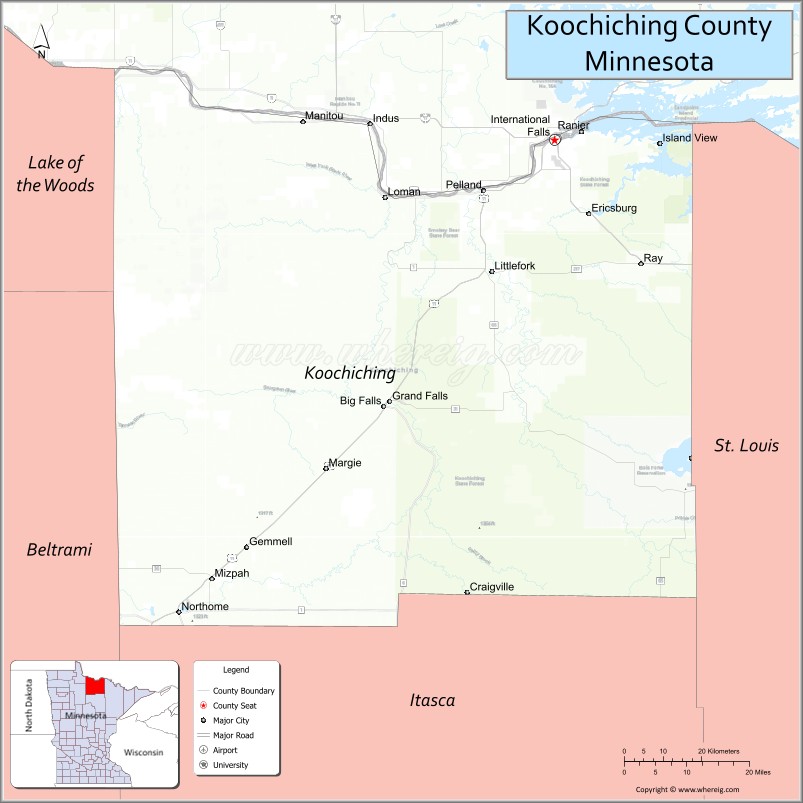
If your ticket requires a court appearance or if you choose to contest your citation, you will deal directly with the Koochiching County District Court, located at the courthouse in International Falls, Minnesota. The local court operates under the Ninth Judicial District.
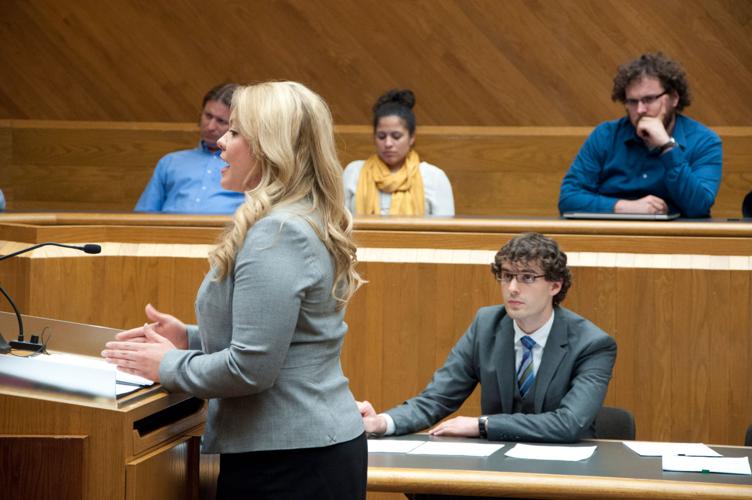
When attending a virtual or in-person court session, arrive early, dress appropriately, and treat all court personnel—from the bailiff to the judge—with respect. If you plan to argue your case, bring any relevant evidence, such as photographs of the intersection, dashcam footage, or maintenance records.
Working with the Court Administrator
The Court Administrator's office handles the administrative side of your ticket. If you need to request a continuance (postponement) of your court date, verify fine amounts, or ask procedural questions, this is your primary point of contact. However, keep in mind that court clerks can provide procedural information but cannot offer legal advice or tell you how to plead.
Tips for Minimizing Long-Term Damage
A single traffic ticket might seem minor, but accumulated violations lead to serious consequences, including the revocation of your driver's license under Minnesota's point system. Consider these best practices:
-
- Act Quickly: Mark your calendar with the response deadline. Procrastination leads to missed dates and costly FTA (Failure to Appear) fees.
- Consider Legal Counsel: For serious traffic offenses, or if you hold a Commercial Driver's License (CDL) where points threaten your livelihood, consulting a local traffic attorney in northern Minnesota is a wise investment.
- Explore Diversion Programs: Ask the prosecutor if a driver improvement course or stay of adjudication is available. Successfully completing these programs can keep the violation off your public driving record entirely.
By approaching your citation methodically, communicating with the court on time, and understanding your rights within the local judicial framework, you can resolve your traffic matter with minimal stress and financial impact.