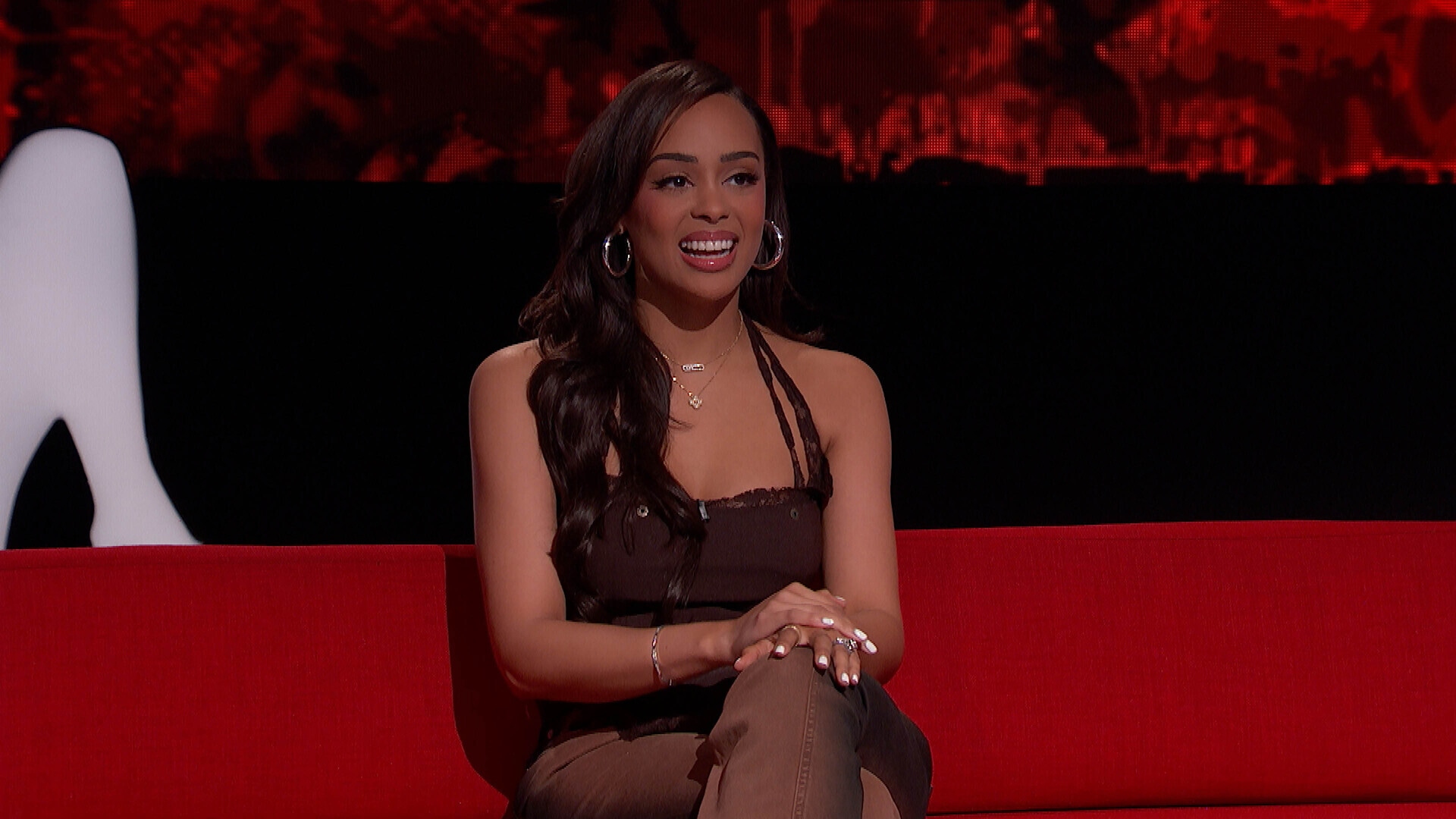
Kristy Sarah Scott’s $50 Million Moment
Introduction to a Paradigm Shift
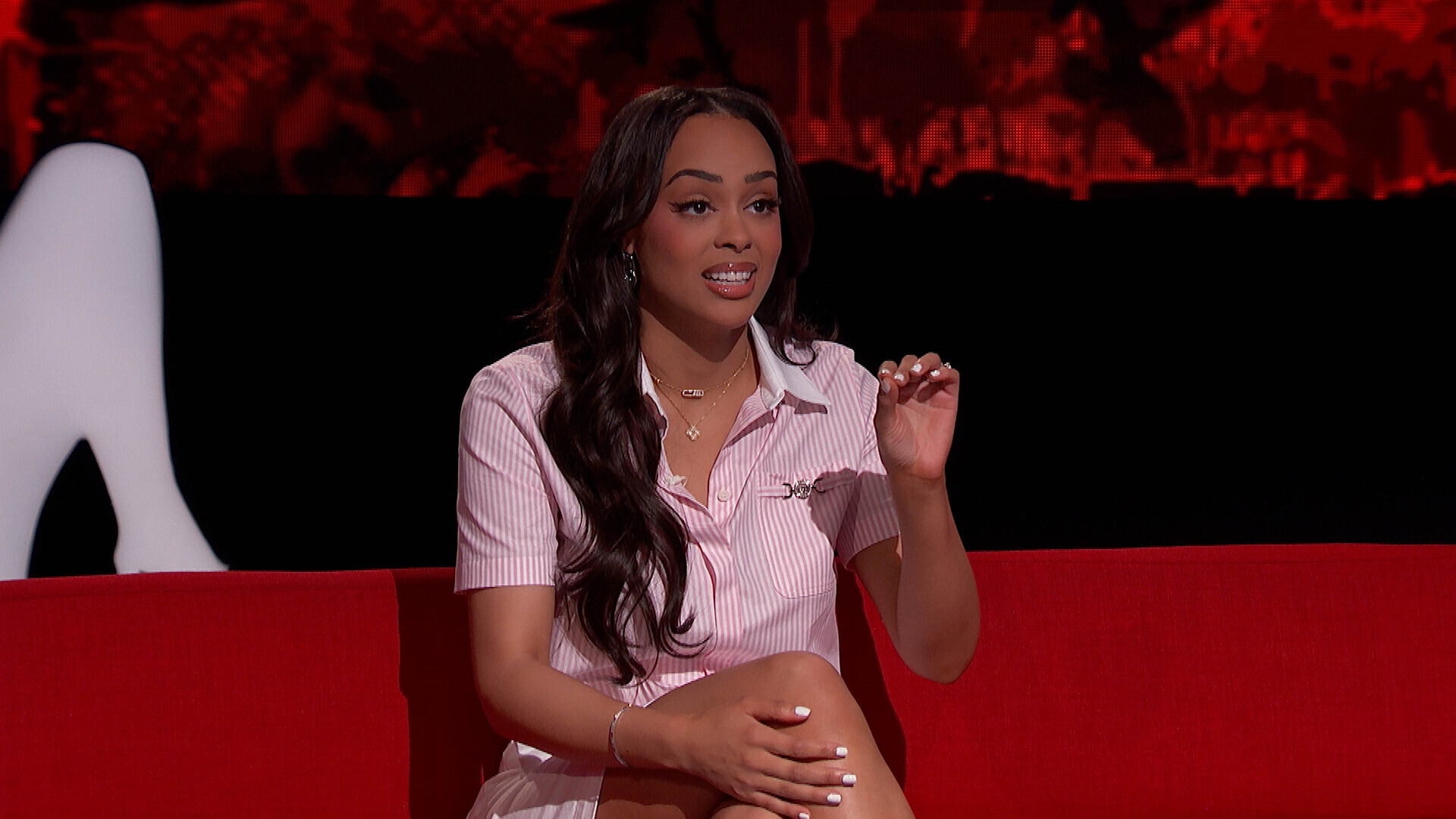
The digital entertainment landscape is experiencing a massive evolution, transitioning from traditional Hollywood gatekeepers to creator-led powerhouses. At the center of this transformation is **Kristy Sarah Scott’s $50 Million Moment—A Game-Changer in Entertainment Finance!**, a milestone that has fundamentally altered how networks, investors, and brands view the monetary value of digital-first talent. This wasn't merely a viral moment or a standard brand partnership; it represented a strategic realignment of capital in the creator economy.
For years, digital creators built massive audiences on platforms like TikTok, YouTube, and Instagram, yet struggled to command the type of high-level equity and debt financing historically reserved for traditional television and film stars. Kristy Sarah Scott’s landmark financial achievement shattered that glass ceiling, providing a concrete blueprint for how modern influencers can leverage their audience equity into institutional-grade financial portfolios.
The Anatomy of the $50 Million Deal
To understand why this financial event sent shockwaves through the entertainment industry, we have to look past the headline-grabbing figure. Deals of this magnitude require sophisticated financial engineering, blending private equity, venture capital, and intellectual property (IP) valuation.
Breaking Down the Capital Structure
Unlike standard endorsement contracts that pay out flat fees per post, institutional deals in modern entertainment finance rely on complex structures:
- IP Ownership: Retaining ownership of the underlying content and digital brand equity rather than leasing likeness rights to a third party.
- Revenue Diversification: Tying the valuation to multi-channel streams, including direct-to-consumer (DTC) products, licensing, and media production.
- Equity Stakes: Securing ownership percentages in the underlying operating companies formed to manage the talent's expanding commercial empire.
By structuring the agreement this way, the financial backers positioned the creator not just as a talent, but as an enterprise. This strategic shift is what makes Kristy Sarah Scott’s $50 Million Moment—A Game-Changer in Entertainment Finance! such a frequently cited case study in modern business schools and talent agencies alike.
Why Traditional Hollywood is Taking Notice
Traditional entertainment executives have historically viewed digital creators with a degree of skepticism, often pigeonholing them as short-lived internet personalities. However, shifting consumer habits—particularly among Gen Z and younger demographics—have forced legacy media companies to rethink their strategies. Linear television ratings continue to decline, while audience attention remains fiercely concentrated on smartphones.
When institutional investors deploy $50 million into a digital-first ecosystem, it sends a clear signal to major studios and streaming networks. It proves that audience loyalty in the digital space translates just as effectively—if not more so—to high-margin revenue streams as traditional box office draws or syndicated television stars.
The Broader Impact on the Creator Economy
The ripples of this financial milestone extend far beyond a single creator's balance sheet. They are changing the daily negotiations happening across every major talent agency in Los Angeles and New York.
Video: Kristy Scott Changes Her Name After Divorcing Desmond; Now Known As Kristy Sarah

Higher Valuations for Emerging Talent
As institutional investors look for high-yield opportunities outside of traditional tech and real estate, the creator economy has emerged as an attractive asset class. Benchmarks set by major funding rounds give emerging creators the leverage to demand better terms, longer-term contracts, and genuine equity participation rather than quick cash payouts.
Professionalization of Content Operations
Scaling an enterprise to meet the demands of a multi-million-dollar valuation requires more than a ring light and a smartphone. Creators are rapidly building out corporate infrastructure, hiring CFOs, legal teams, and operational directors. This professionalization bridges the gap between casual content creation and institutional media companies.
Challenges and Risks in Creator Finance
While the headlines are undeniably glamorous, massive financial infusions into creator-led businesses come with unique risks that financial analysts monitor closely.
Key Person Risk: Unlike a traditional software company with dozens of engineers, a creator-led brand is often inextricably linked to a single individual's personal life, health, and public reputation.
Platform Dependency: Shifts in social media algorithms can drastically impact audience reach, requiring savvy operators to aggressively diversify into owned-and-operated channels.
Audience Fatigue: Rapid commercialization can sometimes alienate a core fanbase if monetization strategies feel inauthentic or overly aggressive.
Despite these challenges, sophisticated risk-mitigation strategies—such as building automated product lines and expanding behind-the-scenes production teams—help safeguard these multi-million-dollar investments against market volatility.
Conclusion: A New Era for Media and Money
The convergence of digital media and institutional finance has officially reached maturity. Kristy Sarah Scott’s $50 Million Moment—A Game-Changer in Entertainment Finance! serves as a defining inflection point, proving that internet-native talent can command the same level of financial sophistication and respect as legacy Hollywood icons.
As the barrier between Silicon Valley venture capital and traditional entertainment continues to dissolve, we can expect more creators to follow this path. The playbook has been written, and the future of entertainment finance will undoubtedly be decentralized, creator-owned, and backed by serious institutional capital.