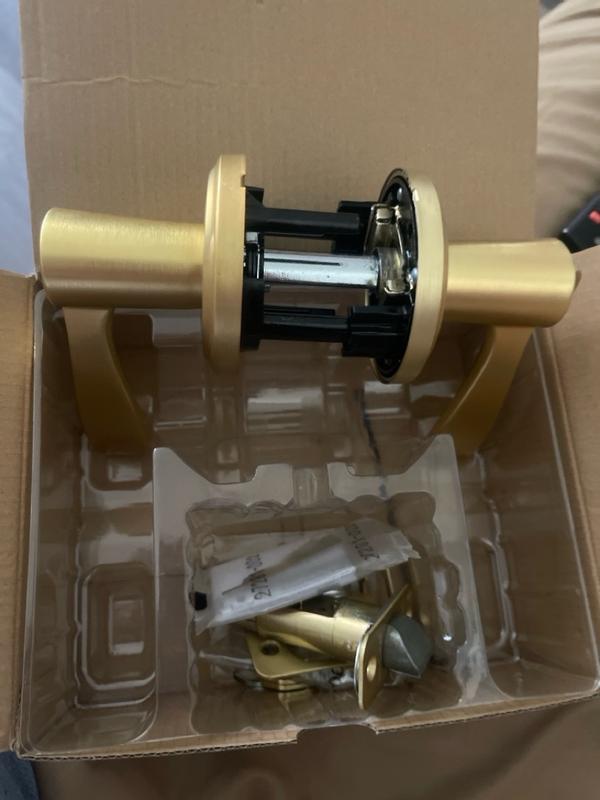
Kwikset Keyed Entry Door Handle Security Risks
When it comes to securing a residential property, millions of homeowners rely on standard hardware store brands for peace of mind. Among the most popular choices is the Kwikset Keyed Entry Door Handle, known for its sleek design, easy installation, and affordable price point. However, security experts and locksmiths have long warned that convenience often comes at the expense of robust protection. While these handles look sturdy from the outside, they may provide a false sense of security for unsuspecting residents.

Understanding the true capabilities and limitations of your door hardware is essential for effective home defense. In this article, we examine how standard keyed entry handles are engineered, the vulnerabilities that leave them open to intrusion, and practical steps you can take to upgrade your home’s security without breaking the bank.
Anatomy of a Kwikset Keyed Entry Door Handle
To understand where vulnerabilities lie, it helps to examine how a standard keyed entry handle functions. Unlike a traditional deadbolt, which extends a solid steel bolt deep into the door frame, a keyed entry handle typically operates via a spring-latch mechanism housed within the doorknob or lever itself.
These handles serve a dual purpose: they allow the door to latch shut automatically when pushed closed, and they can be locked from the inside via a turn-button or pushed pin, requiring a key from the outside to regain entry. Because the latch mechanism must fit inside the relatively narrow profile of the handle stem and door edge, the internal components are often compact and lightweight.
The Appeal of Convenience
The primary selling point of these handles is convenience. Homeowners love them for side doors, garage entry points, and interior-exterior transitions where locking the door quickly on the way out is a priority. Kwikset's inclusion of user-rekeying technology, such as their SmartKey cylinders, further adds to their mass market appeal by allowing users to match keys without hiring a professional locksmith.
The Vulnerabilities: A False Sense of Security Exposed
Despite their popularity, relying on a Kwikset Keyed Entry Door Handle as your primary line of defense is risky. Security professionals frequently point out several critical weaknesses inherent to this type of hardware.
1. Susceptibility to Physical Attacks
Because door handles and levers protrude significantly from the face of the door, they act as leverage points. A determined intruder can use simple tools like a heavy hammer, a pipe wrench, or a crowbar to forcefully wrench, twist, or snap the handle off the door. Once the exterior handle mechanism is compromised or sheared away, the spring latch is often easily manipulated from the outside, allowing unauthorized entry in seconds.
Video: Kwikset Henley Keyed Entry Door Lever with SmartKey Security – Best Choice for Everyday Entry

2. Lock Bumping and Picking
Standard pin-tumbler cylinders found in many entry handles can be vulnerable to lock bumping—a covert entry technique where a specially cut "bump key" is tapped into the lock, causing the internal pins to jump across the shear line and allowing the lock to turn. While Kwikset has introduced bump-resistant features in newer models, traditional cylinders remain an easy target for practiced intruders.
3. Latch Manipulation (Bypassing)
Unlike deadbolts, which feature a flat face that resists being pushed back once thrown, spring latches have a beveled edge designed to slide inward when the door shuts. This design flaw makes them vulnerable to classic bypass techniques, such as slipping a stiff piece of plastic (like a credit card) or a specialized shim between the door and the frame to force the latch backward.
Deadbolts vs. Keyed Entry Handles
A common mistake homeowners make is treating a keyed entry handle as a standalone security measure. In reality, building codes and security best practices dictate a layered approach.
- Keyed Entry Handles: Designed primarily for latching and basic privacy. They offer minimal resistance against forced entry and should never be used as the sole lock on an exterior door.
- Deadbolts: Engineered specifically for security. A proper deadbolt features a throw of at least one inch, a hardened steel roller inside the bolt to resist sawing, and no spring mechanism to manipulate from the outside.
Relying solely on a keyed entry handle leaves your home vulnerable because the hardware is simply not built to withstand heavy physical abuse.
How to Properly Secure Your Entryways
You do not necessarily need to throw away your Kwikset hardware, but you do need to audit how your exterior doors are secured. Follow these practical steps to eliminate security blind spots:
Conclusion
The Kwikset Keyed Entry Door Handle is a convenient, attractive piece of hardware that serves a purpose in residential design, but it was never intended to act as a fortress wall. By recognizing that these handles provide only basic security, homeowners can take proactive steps—such as installing robust deadbolts and reinforcing strike plates—to truly safeguard their homes against modern intrusion techniques.