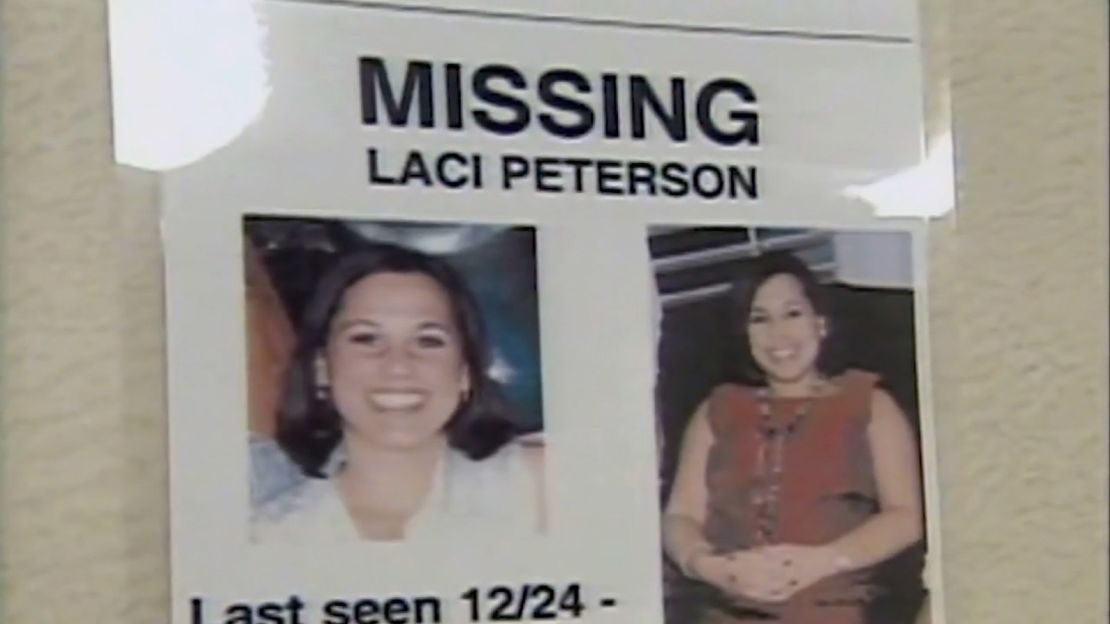
Laci Peterson Autopsy Pictures & Justice
Few criminal cases in modern American history captivated the public imagination quite like the tragic 2002 disappearance and murder of Laci Peterson and her unborn son, Conner. As the investigation unfolded, shifting from a local search in Modesto, California, to a national media frenzy, every detail of the case was scrutinized. Decades later, the case continues to be a watershed moment for true crime media, forensic transparency, and legal ethics. Central to the public and legal legacy of this trial is the ongoing fascination with and controversy surrounding The Impact of Laci Peterson Autopsy Pictures on the Justice System.
The Intersection of Forensic Evidence and Public Access
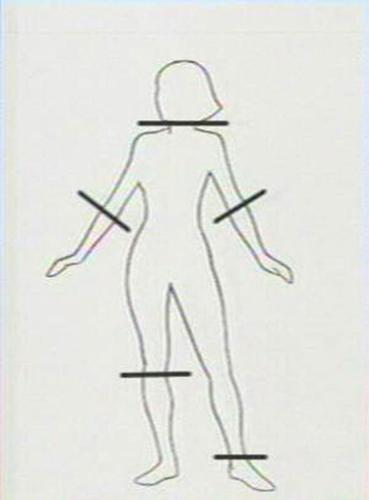
In any criminal prosecution, autopsies provide the definitive scientific narrative of how a victim died. In the Peterson case, the recovery of Laci and Conner's remains from the San Francisco Bay in April 2003 brought immense pressure on forensic pathologists, law enforcement, and prosecutors. The physical evidence presented in court was gruesome, complex, and vital to convicting Scott Peterson.
However, a sharp distinction exists between evidence presented inside a courtroom and information released to the public. The legal system must balance the constitutional right to a public trial with the dignity of victims and the integrity of judicial proceedings. Autopsy reports and photographs are graphic records of trauma, raising fundamental questions about what the public genuinely needs to know versus what satisfies morbid curiosity.
Public Record Laws and Freedom of Information
Under American law, most court exhibits and government documents are considered public records under statutes like the Freedom of Information Act (FOIA) or state-level equivalents, such as the California Public Records Act. This openness is designed to prevent government secrecy and ensure accountability in the justice system.
- Transparency: Allowing journalists and citizens to examine evidence ensures that the courts operate fairly and that convictions are based on verifiable facts.
- Privacy and Dignity: Conversely, broad public records laws can conflict with the privacy rights and emotional well-being of surviving family members.
- Judicial Discretion: Judges often weigh the public interest against the potential for sensationalism or secondary trauma when deciding whether to seal or release sensitive exhibits.
In the Peterson case, while detailed descriptions from the autopsy reports entered the public domain through testimony and court filings, the actual graphic photographs were largely kept out of mainstream media circulation out of respect for the victims' families and strict courtroom evidentiary controls.
How High-Profile Trials Shaped Digital Media Ethics
The trial of Scott Peterson in 2004 occurred at a critical technological crossroads. It was broadcast live on cable news networks and discussed extensively on emerging internet message boards. Yet, it predated the ubiquity of social media platforms like Twitter, Facebook, and modern true-crime podcasting networks.

The handling of evidence in the Peterson trial set important precedents for how graphic materials are managed in the digital age:
- Curbing Sensationalism: Mainstream media outlets largely exercised self-restraint regarding the most graphic autopsy imagery, recognizing that broadcasting such content crossed ethical boundaries.
- The Rise of Digital Archives: As courtrooms transitioned from physical filing cabinets to online document portals, accessing case files became frictionless, creating new challenges for managing sensitive data.
- Protecting Jurors: Courts became increasingly rigorous about shielding jurors from outside media contamination, especially regarding leaked or sensationalized forensic details.
This digital evolution meant that any future high-profile case would face immediate scrutiny online, transforming how forensic details are consumed and debated by armchair detectives worldwide.
The Psychological and Ethical Toll on Families
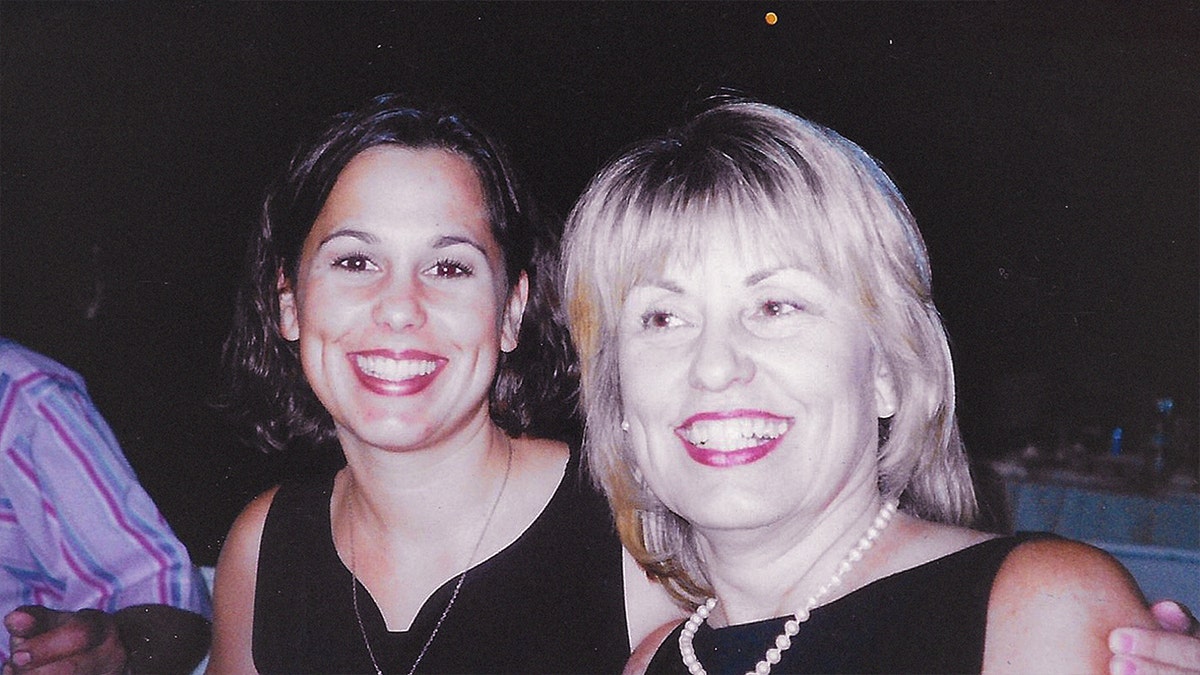
When discussions center around graphic forensic evidence, the human element is frequently overlooked. Laci Peterson’s family, particularly her mother Sharon Rocha, became vocal advocates for victims' rights. The public obsession with autopsy details, cause of death, and forensic reconstruction can inflict profound secondary trauma on grieving families.
The justice system has increasingly recognized the need to protect families from the exploitation of tragedy. Legal reforms and institutional practices over the last two decades have emphasized victim advocacy, ensuring that families have a voice in motions regarding the sealing of graphic evidence, including autopsy and crime scene photographs.
Lasting Legacy on Modern Forensic Science and Trials
Beyond media ethics, the forensic evidence in the Laci Peterson case left an indelible mark on American jurisprudence. The decomposition of bodies in marine environments presented unique challenges for forensic anthropologists and pathologists. The methods used to estimate the gestational age of Conner Peterson and the state of Laci's remains established rigorous benchmarks for marine forensics.
Ultimately, the enduring legacy of the case's evidentiary trail is a more cautious, technologically aware judicial system. Courts continue to grapple with the tension between open justice and digital-era voyeurism. By navigating these complex boundaries, the legal system strives to maintain public trust while honoring the dignity of victims and upholding the constitutional standards of a fair trial.