Laci Peterson Autopsy Pictures: The Public vs. The Truth
Laci Peterson Autopsy Pictures: The Public vs. The Truth
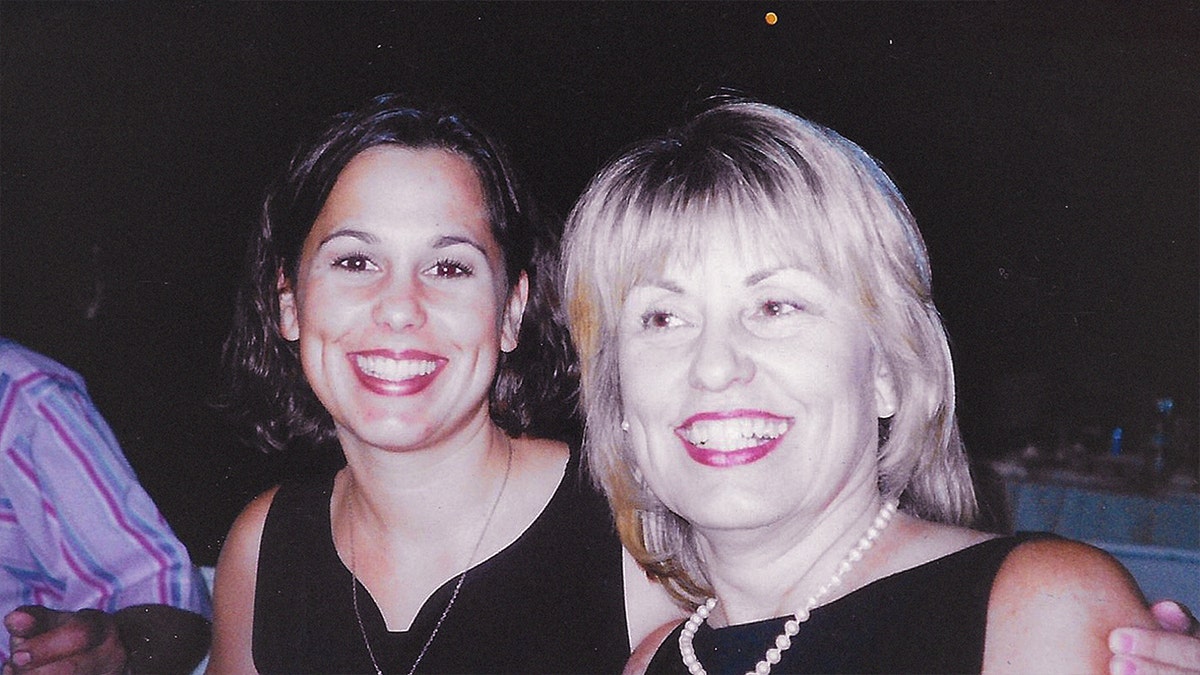
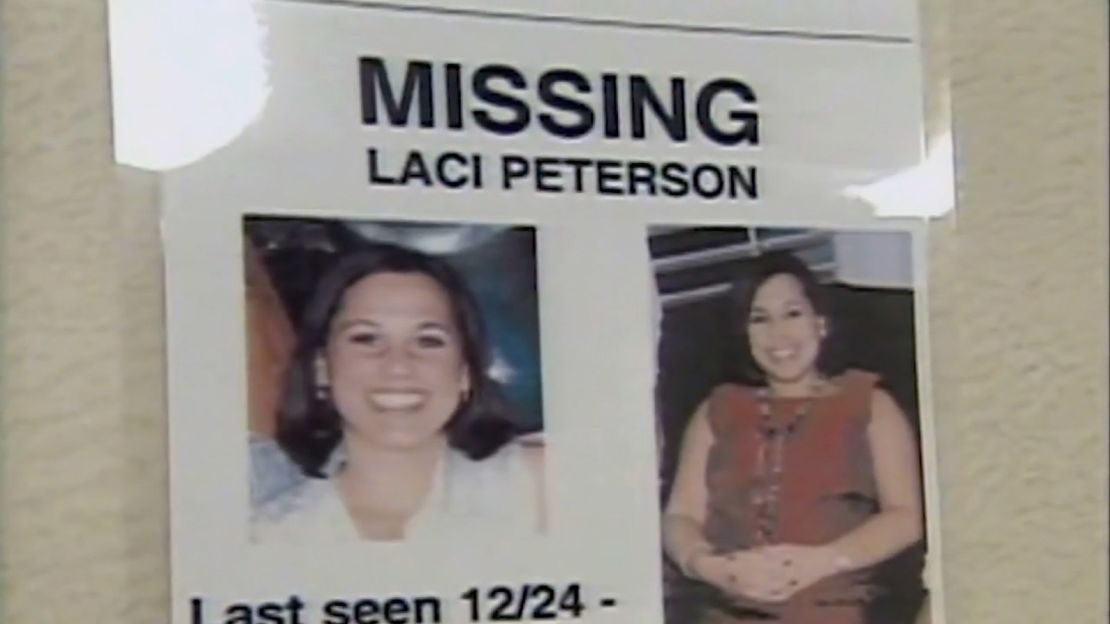
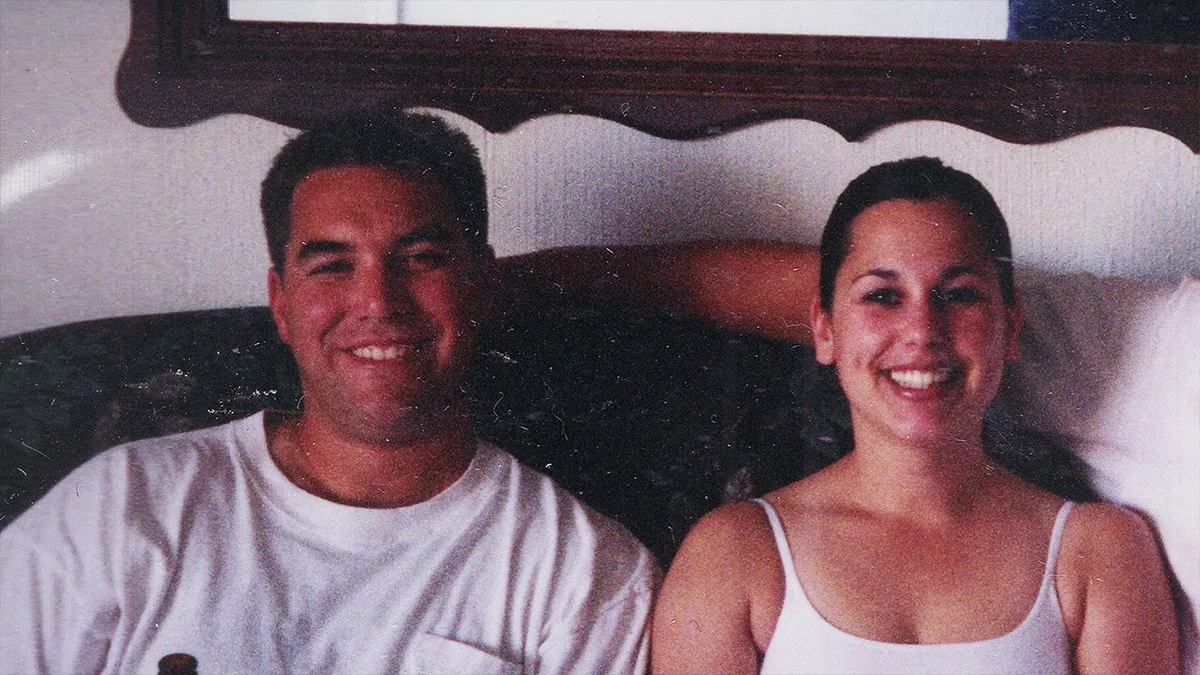
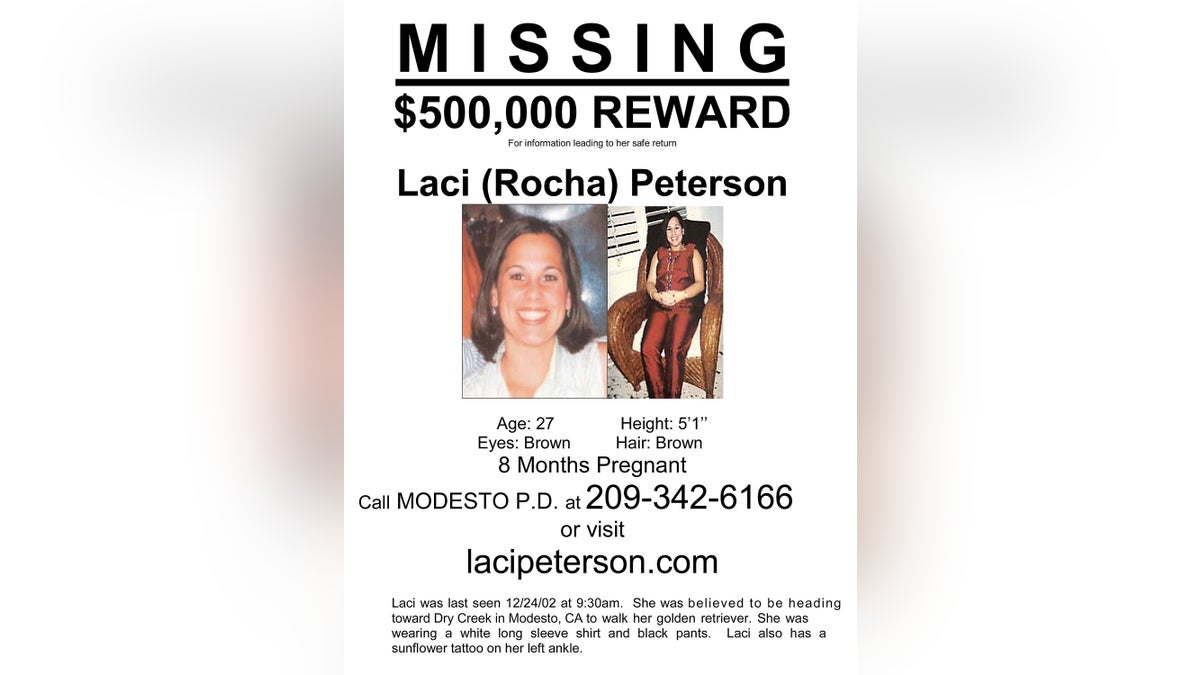
The 2002 disappearance and murder of Laci Peterson remains one of the most heavily scrutinized cases in American true crime history. Decades after Scott Peterson was convicted of murdering his pregnant wife and unborn son, public fascination with the details of the investigation refuses to wane. Among the most persistent subjects of online curiosity, rumor, and controversy are the Laci Peterson autopsy pictures. Driven by morbid curiosity and a cottage industry of internet sleuths, interest in these graphic files has fueled countless debates.
However, a significant gap exists between what the public believes exists and what the official forensic record actually shows. Understanding the reality of the autopsy findings requires looking past the sensationalism and examining the court transcripts, expert testimony, and medical examiner reports.
The Reality of the Official Autopsy Reports
When Laci Peterson’s remains, along with those of her unborn son Conner, washed ashore in San Francisco Bay in April 2003, they were in an advanced state of decomposition. Because the bodies had been submerged in salt water for approximately four months, environmental factors heavily impacted their physical condition. This biological reality directly shapes what is—and isn't—documented in the official medical records.
Contrary to rumors often circulated on unverified forums and social media channels, the official forensic documentation was handled strictly according to California law. The state of decomposition meant that traditional external examinations were severely limited. Forensic pathologists rely on soft tissue preservation to identify specific types of trauma, but prolonged water exposure creates significant post-mortem artifacts that can mimic or obscure antemortem injuries.
What the Medical Examiner Found
The official autopsy report, conducted by the Contra Costa County Sheriff-Coroner's office, detailed the horrific state of the recovery rather than providing a clear cinematic narrative of a crime. Key medical findings included:
- Advanced Decomposition: Both bodies suffered extensive post-mortem destruction caused by marine life, tides, and natural decay.
- Missing Limbs and Head: Laci's body was recovered lacking its head, forearms, and lower legs. The medical examiners had to determine whether these were removed by sharp force trauma or natural separation due to decomposition.
- Unborn Child: Conner Peterson was found separately in the bay. His body was also decomposed, but forensic evidence indicated he was carried to term and expelled from Laci's body post-mortem.
Crucially, because of the missing skeletal and soft tissue elements, the medical examiners could not definitively determine the exact cause of death for Laci Peterson. While the prosecution argued she was strangled or smothered based on circumstantial evidence, the forensic pathologists classified the cause of death as "undetermined" due to the lack of remaining evidence.
Public Curiosity vs. Privacy and Law
The intense public desire to view crime scene and autopsy imagery stems from a modern true-crime culture that values absolute transparency. Viewers often believe that seeing the physical evidence firsthand will allow them to act as amateur detectives, validating or disproving theories presented in court.
However, the actual Laci Peterson autopsy pictures are heavily restricted legal records. They are not part of the public domain in a way that allows easy internet browsing, for several important reasons:
- Victim Dignity and Family Rights: Autopsy photographs capture human beings at their most vulnerable and desecrated states. Courts and lawmakers recognize that surviving family members retain a right to privacy and dignity, shielding graphic images from casual public consumption.
- Exploitation Prevention: Restricting access prevents the commercialization or weaponization of gruesome imagery by tabloid media and shock-value websites.
- Evidentiary Integrity: While exhibits shown during open court proceedings become part of the public record, trial judges routinely seal or restrict extremely graphic visual evidence that has no bearing on public safety or education.
Separating Fact from True Crime Myth
Because official images are tightly controlled, misinformation thrives. A cottage industry of digital forums, documentaries, and independent investigators often makes claims about what the autopsy photos supposedly prove. Some conspiracy theorists have claimed that the state of the remains points to alternative theories, while others misinterpret standard forensic terminology.
Forensic science is specialized, clinical, and often ambiguous. Terms like "post-mortem artifact" are frequently misconstrued by laypeople as signs of specific foul play rather than normal decomposition processes. Relying on sensationalized descriptions rather than court testimony from actual medical experts leads to widespread misunderstanding of the physical evidence.
Conclusion
The enduring focus on the Laci Peterson autopsy pictures highlights society's complex relationship with true crime. While the public's thirst for details is understandable in such a high-profile murder trial, it is vital to distinguish between verified forensic facts and internet speculation. The official medical records and courtroom testimony paint a tragic picture of a devastating crime, anchored not by graphic imagery, but by the rigorous work of investigators who brought Scott Peterson to justice.