Laci Peterson Autopsy Pictures: What They Reveal
Understanding the Evidence: Laci Peterson Autopsy Pictures and Reports

Few criminal cases in modern American history have captured the public's attention quite like the tragic disappearance and murder of Laci Peterson in 2002. More than two decades later, public fascination persists around the trial of her husband, Scott Peterson, and the forensic evidence that ultimately sent him to prison. Among the most intensely discussed—and often misunderstood—aspects of the investigation are the forensic examinations, often sensationalized online under search terms like "You Won't Believe What These Laci Peterson Autopsy Pictures Reveal."
Despite the sensational headlines and rumors that circulate across true crime forums, the actual medical examiner reports and courtroom testimony provide a strictly scientific, albeit devastating, account of what happened. Examining the physical evidence through the lens of forensic science helps separate internet myth from verified court record.
The Disappearance and Recovery
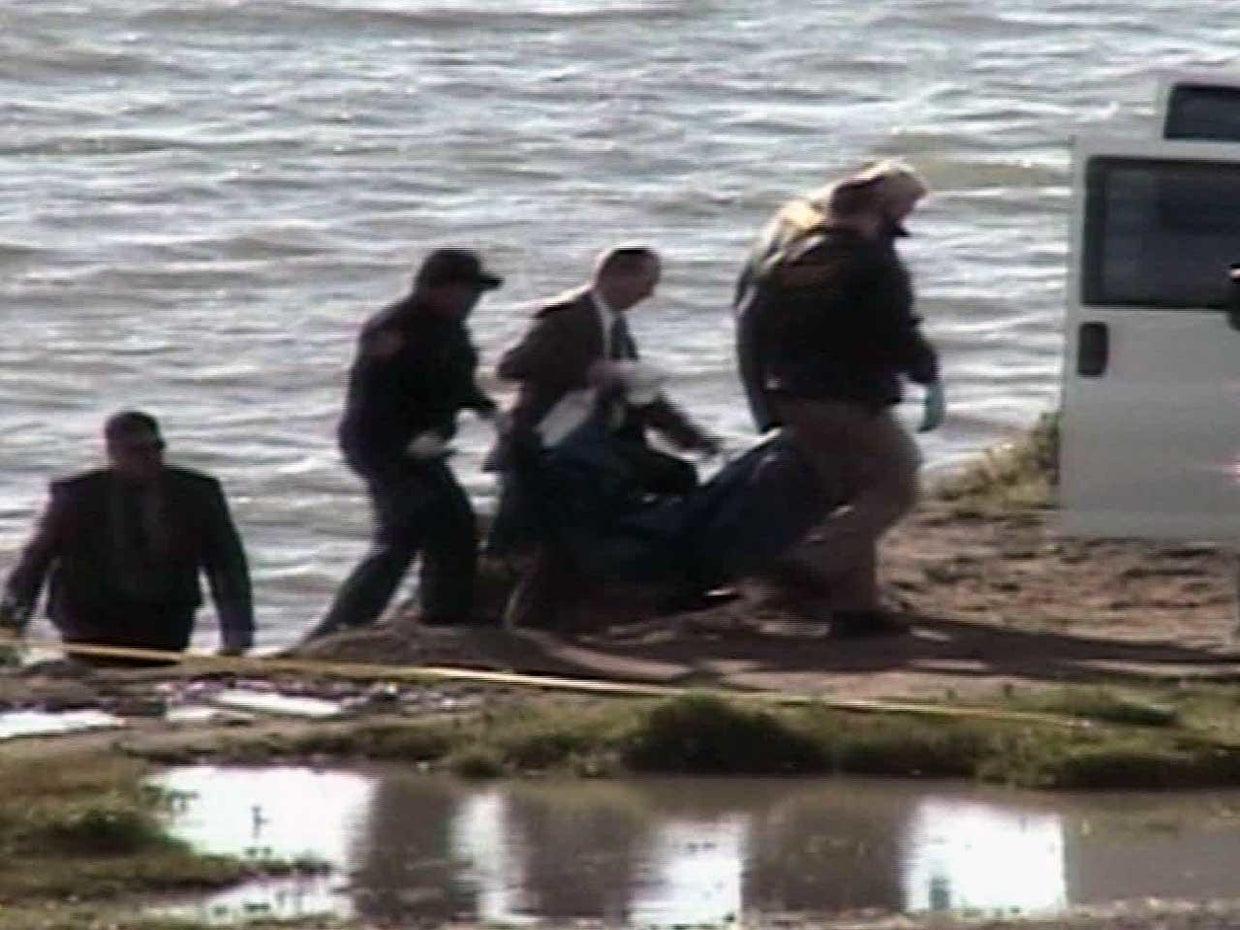
Laci Peterson was eight months pregnant when she vanished from her Modesto, California, home on December 24, 2002. The massive search that followed gripped the nation for months. The case took a definitive and tragic turn in April 2003, when the remains of Laci and her unborn son, Conner, washed ashore in the San Francisco Bay, just a few miles from where Scott Peterson admitted to fishing on the day she disappeared.
Because the bodies had spent months submerged in tidal waters, their condition was severely decomposed. This reality directly impacted the physical evidence available to pathologists and dictated what the Laci Peterson autopsy pictures and documentation could—and could not—conclusively prove.
What the Autopsy Reports Actually Showed
Dr. Peterson (no relation), the coroner who handled the case, faced a monumental challenge due to the advanced state of decomposition. When remains are exposed to marine environments for an extended period, soft tissue degradation, animal activity, and water action alter the body significantly.
Key Findings from the Medical Examination
- Cause of Death: Due to the extensive decomposition and missing body parts, the official cause of death for Laci Peterson was listed as "undetermined" by homicidal violence.
- Condition of the Remains: Laci’s body was recovered minus her head, forearms, and lower legs. Conner’s body, however, was remarkably intact and was expelled from Laci's body posthumously, a known phenomenon called coffin birth or postmortem fetal extrusion.
- The Unborn Child: Conner was determined to be full-term or near full-term, matching Laci’s 33 to 34 weeks of pregnancy. His autopsy showed no signs of traumatic injury, though his body had also suffered from environmental exposure.
While internet rumors frequently claim that specific autopsy photographs reveal hidden secrets or dramatic clues, forensic pathologists rely on bone markings, soft tissue remnants, and circumstantial alignment to build their conclusions.
Separating Fact from Internet Sensationalism
The phrase "You Won't Believe What These Laci Peterson Autopsy Pictures Reveal" is a classic example of clickbait common in modern true crime media. In reality, official autopsy photographs from major homicide investigations are tightly controlled legal exhibits. They are designed to document trauma, assist expert witnesses, and preserve evidence for the court—not to satisfy public curiosity.
During the 2004 trial, prosecutors did not rely on visual shock value from graphic photos to prove their case. Instead, they built a circumstantial case based on Scott Peterson's behavior, financial motives, lies to police, cell phone records, and the uncanny alignment between his confessed fishing trip and the exact location where the bodies surfaced.
The Legacy of Forensic Pathology in the Peterson Case
The tragedy of Laci and Conner Peterson highlights both the power and the limitations of forensic science. Even when decomposition obscures the direct cause of death, forensic anthropology, marine forensics, and DNA profiling can establish identity and timeline with absolute certainty.
DNA testing definitively confirmed the identities of both victims recovered from San Francisco Bay. This scientific certainty provided the legal foundation required for the prosecution, despite the physical challenges presented by the condition of the remains. For those looking past the online rumors and examining the court transcripts, the true revelation of the Laci Peterson case lies not in sensational imagery, but in the meticulous accumulation of circumstantial and forensic proof.