Lake Norman Water Temp by Month: Your Complete Guide
Spanning over 32,000 acres with 520 miles of shoreline, Lake Norman is the premier recreational hub in North Carolina. Whether you are planning a summer swimming vacation, looking to drop a fishing line in the spring, or braving the winter months for solitude on a boat, knowing what to expect from the lake norman water temp by month is essential. Because water temperatures lag behind air temperatures, the lake behaves differently than the surrounding atmosphere, making a month-by-month guide invaluable for outdoor enthusiasts.

Understanding Lake Norman Temperature Cycles
Lake Norman is a large reservoir on the Catawba River, fed by upstream waters and managed by Duke Energy. Due to its massive volume and depth—reaching up to 110 feet near the dam—the lake takes time to warm up in the spring and holds onto its heat well into the autumn. Seasonal weather patterns in the rolling Piedmont region of North Carolina heavily dictate how quickly these transitions happen.
Lake Norman Water Temp by Month Breakdown
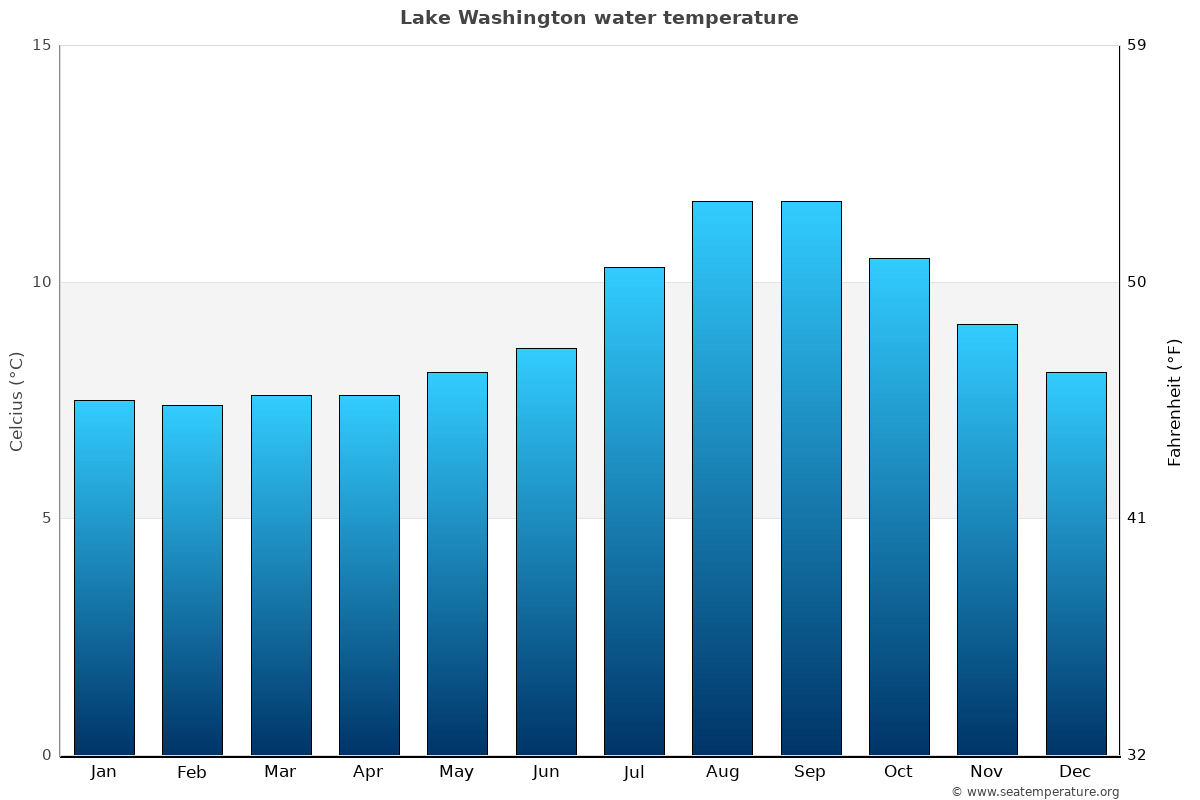
Water temperatures fluctuate significantly throughout the year, ranging from chilly winter lows to refreshing summer highs. Here is a month-by-month breakdown of what you can expect when you step into the water.
Winter Months: December, January, and February
Winter brings the coldest conditions of the year to Lake Norman. Air temperatures frequently drop below freezing at night, which rapidly cools the surface water.
- December: Water temperatures range from 50°F to 58°F. Early December still offers mild days, but by the end of the month, the water feels brisk.
- January: Typically the coldest month, water temperatures dip down to 45°F to 50°F. Swimming is out of the question without a thick wetsuit.
- February: Temperatures hover between 46°F and 52°F. While winter bass fishing remains popular, anglers and boaters must dress in warm layers and prioritize hypothermia safety.
Spring Warm-Up: March, April, and May
Spring is a season of rapid transition. As the days grow longer and air temperatures climb into the 70s and 80s, the lake begins its seasonal warm-up.
- March: Water temperatures range from 52°F to 60°F. Fish begin moving into shallower coves, and hardy paddlers start returning to the water.
- April: Expect readings between 60°F and 68°F. The weather is gorgeous for boating, though the water can still feel refreshing or cold to casual swimmers.
- May: Temperatures rise sharply to between 68°F and 76°F. By late May, holiday weekend visitors frequently jump in for the first true swimming sessions of the year.
Summer Peak: June, July, and August
Summer is the peak season for recreation on Lake Norman. Long, hot sunny days push the water to its maximum warmth, creating ideal conditions for all water sports.
- June: Water temperatures settle comfortably between 75°F and 82°F. This is ideal for water skiing, wakeboarding, and long hours of swimming.
- July: The warmest month of the year. Water temperatures regularly peak between 82°F and 88°F, especially in shallow coves and protected bays.
- August: Temperatures remain very warm, ranging from 80°F to 87°F. The water feels like a warm bath, making afternoon swimming sessions exceptionally pleasant.
Fall Cool-Down: September, October, and November
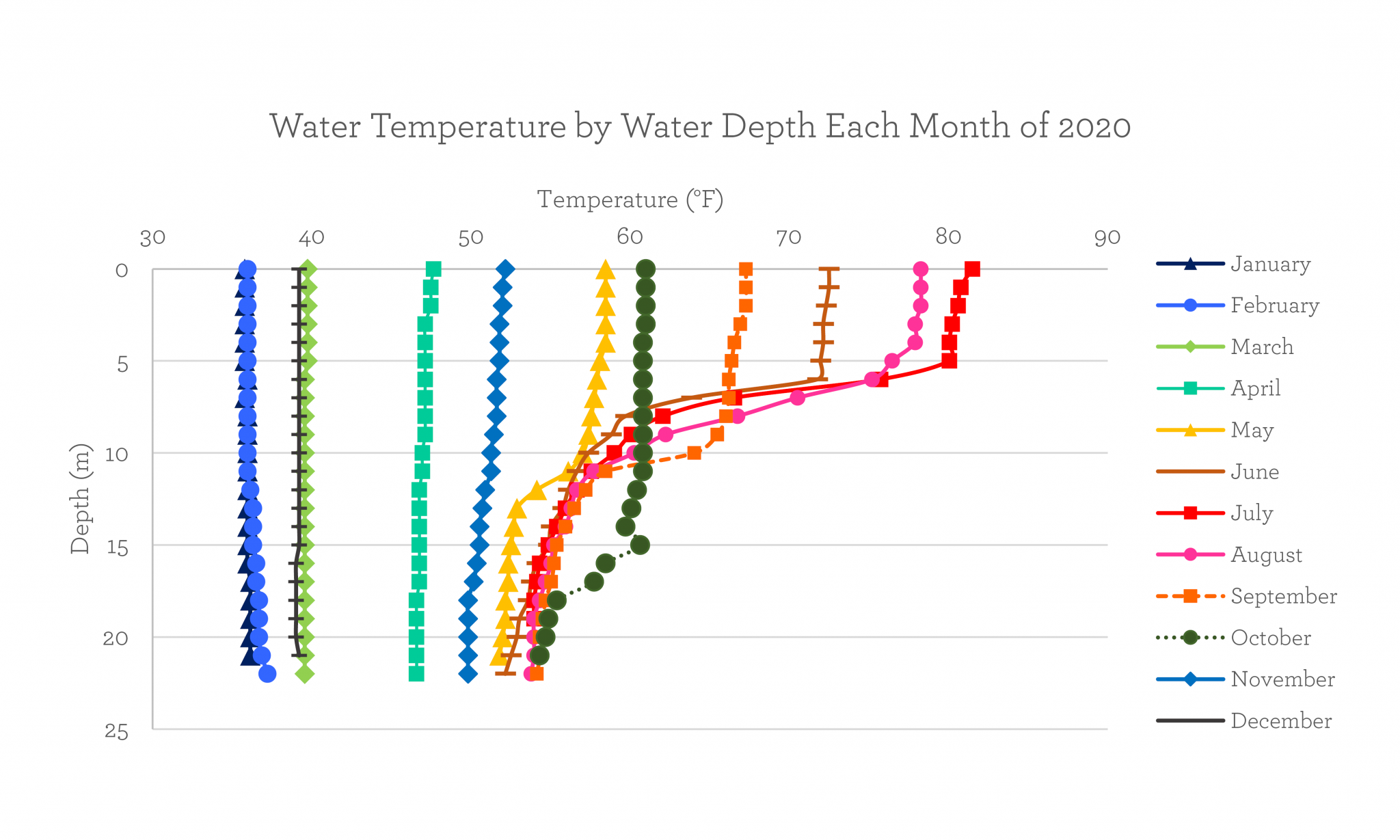
Autumn brings relief from the intense summer heat. While air temperatures drop quickly, the deep waters of Lake Norman retain summer warmth well into October.
- September: Water temperatures stay warm, ranging from 75°F to 82°F during the first half of the month. Swimming and boating remain fantastic.
- October: Temperatures drop noticeably to between 65°F and 73°F. Early October can still provide comfortable swimming days, but late October shifts toward crisp fall boating.
- November: Readings fall into the 58°F to 66°F range. The fall foliage is stunning from a boat, but the water is generally too cold for unassisted swimming.
Factors That Affect Lake Norman Water Temperature
While monthly averages give a reliable baseline, daily conditions can alter the water temperature significantly. Keep these factors in mind when planning your activities:
- Depth and Location: Main channel water near the dam tends to be deeper and slightly cooler, while shallow coves exposed to direct sunlight heat up much faster in the spring and summer.
- Weather Patterns: Several days of intense summer sunshine and high air temperatures can push surface temperatures up by a few degrees. Conversely, a strong cold front in the spring or fall can drop surface temperatures overnight.
- Currents and Generation: Duke Energy operates hydroelectric generation at the Cowans Ford Dam. Water movement from upstream or generation schedules can cause localized temperature fluctuations.
Best Times for Specific Activities
Depending on what you want to do on the lake, certain months stand out as the absolute best times to visit.
Best Time for Swimming
If swimming is your primary goal, target the window from late June through early September. During this period, water temperatures consistently stay above 80°F, providing comfortable conditions for adults, children, and dogs alike.
Best Time for Boating and Watersports
For jet skiing, tubing, and wakeboarding, May through September offers the best combination of warm water and favorable weather. If you fall out of the boat in July, the water feels great; if you fall out in May, the cooler water acts as an instant wake-up call.
Best Time for Fishing
Anglers often find that the shoulder seasons—April to May and September to November—offer the most active fishing. Target species like largemouth bass, striped bass, and crappie become much more predictable as they move shallower during these moderate temperature windows.
Conclusion
Monitoring the lake norman water temp by month ensures you are fully prepared for your next North Carolina waterfront adventure. Whether you are sliding into bath-warm water in July or tracking migrating fish in November, understanding these seasonal shifts helps you make the most of every trip to the lake.