Lake Travis Deaths: Safety, Risks, and Water Rules
Understanding the Reality of Lake Travis Deaths

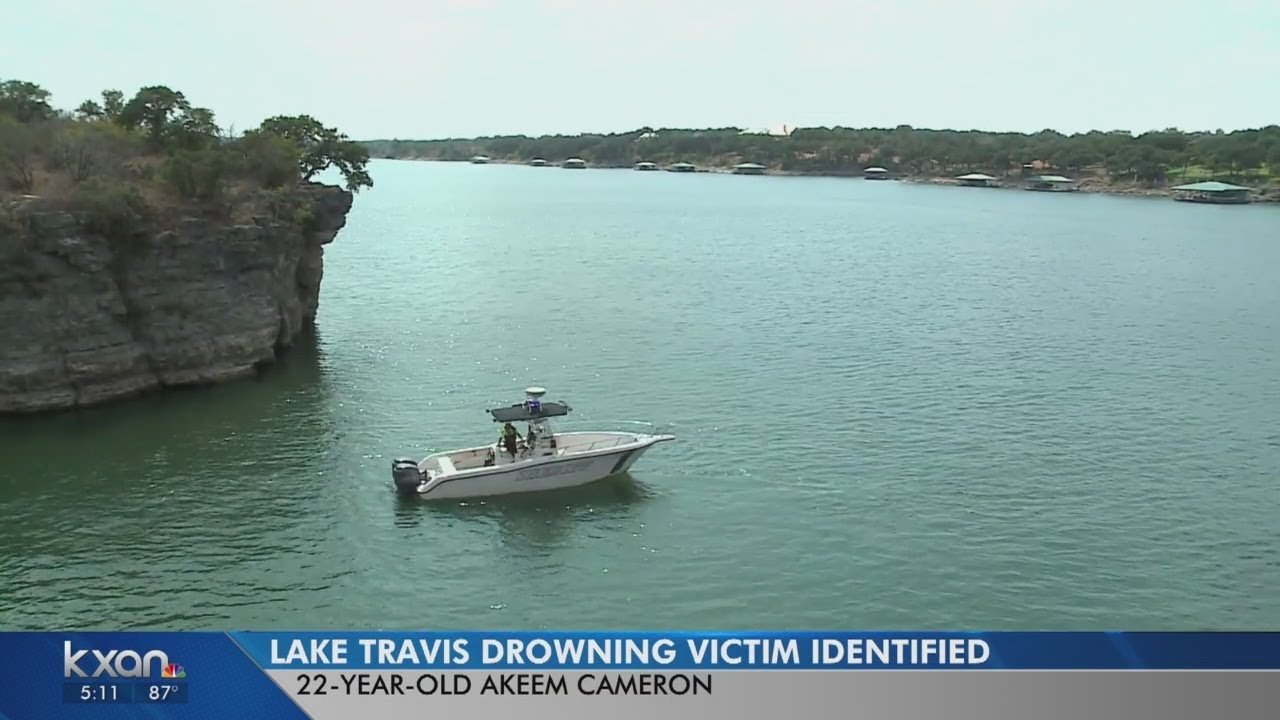
Lake Travis, located northwest of Austin, Texas, is a stunning destination known for its clear water, limestone cliffs, and vibrant recreational scene. However, beneath its scenic appeal lies a complex and often unpredictable body of water. Every year, news reports surrounding a tragic lake travis death remind the public of the hidden dangers that lurk beneath the surface. Understanding why these incidents occur is the first step toward enjoying the lake responsibly and preventing further tragedies.
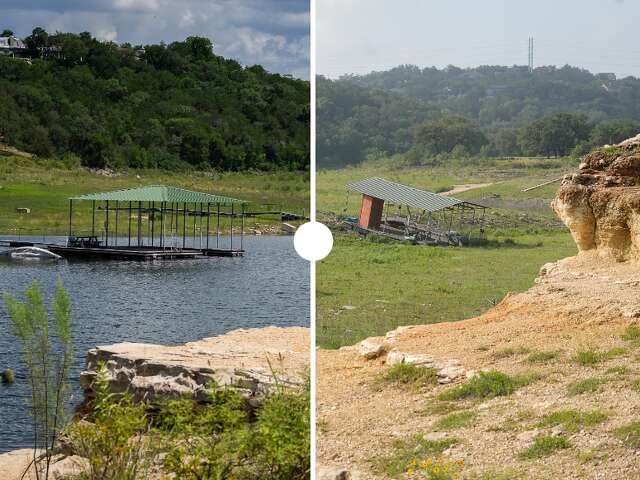
Unlike shallow, man-made farm ponds, Lake Travis is a deep, sprawling canyon-style reservoir with a maximum depth of over 200 feet near the Mansfield Dam. Because it serves as a flood-control reservoir for the Colorado River, its water levels fluctuate dramatically depending on rainfall and drought conditions. These environmental factors, combined with heavy weekend boat traffic and alcohol consumption, create a unique set of risks for swimmers, boaters, and cliff jumpers.
Key Factors Contributing to Fatalities on the Water
Water safety authorities, including local sheriff departments and emergency rescue divers, track incidents closely to identify patterns. While every accident is unique, several recurring factors consistently contribute to a fatal lake travis death.
Sudden Drop-offs and Deep Water
Many visitors assume they can safely wade near the shore, but Lake Travis features steep, sloping canyon walls underwater. A person can step off a submerged ledge into water dozens of feet deep within a single stride. This sudden transition often catches weak swimmers off guard, leading to panic and rapid exhaustion.
Undercurrents and Cold Water Temperatures
Even during hot Texas summers, water temperatures drop significantly at lower depths. When a warm swimmer dives into deep water, the sudden temperature shock can trigger cold-water shock, causing gasping, hyperventilation, and a loss of muscle control. Furthermore, underwater currents—often generated by wind, dam operations, or heavy boat traffic—can pull swimmers away from safety.
Alcohol Consumption and Boating Accidents

A significant percentage of water-related fatalities involve alcohol. Operating a boat or swimming while intoxicated impairs judgment, slows reaction times, and diminishes coordination. In Texas, boating while intoxicated (BWI) carries severe legal penalties, yet "boating and booze" culture remains a primary challenge for law enforcement agencies patrolling the lake.
Cliff Jumping Hazards
Areas like Hippie Hollow and various secluded coves feature towering limestone cliffs that attract thrill-seekers. Cliff jumping is strictly discouraged by local authorities due to the following risks:
- Shallow or shifting water levels that expose submerged boulders.
- Unpredictable underwater landing zones.
- Severe impact injuries upon hitting the water from heights exceeding 20 or 30 feet.
The Crucial Role of Life Jackets
The vast majority of drowning victims in Lake Travis were not wearing a life jacket (Personal Flotation Device or PFD). Many strong swimmers overestimate their stamina, believing they do not need a flotation device. However, if a person is knocked unconscious during a boating collision or suffers a cramp far from shore, a life jacket is the single item that keeps them afloat until help arrives.
Texas state law mandates that children under the age of 13 must wear a properly fitted U.S. Coast Guard-approved life jacket while underway on a vessel. For adults, having readily accessible life jackets on board is required by law, but wearing them actively while swimming in open water or riding on personal watercraft (jet skis) is the best defense against drowning.
How to Stay Safe on Lake Travis
Enjoying Lake Travis safely requires preparation, awareness, and respect for the water. Whether you are renting a pontoon boat for the day or swimming near a public park, keep these best practices in mind:
- Never swim alone: Always use the buddy system so someone can summon help immediately if an emergency arises.
- Designate a sober skipper: If your group plans to consume alcohol on a boat, ensure the driver remains completely sober.
- Check the weather and water conditions: High winds can create dangerous whitecap waves on Lake Travis very quickly, making navigation difficult for small watercraft.
- Know your swimming limits: Do not swim far from the shore or docks unless you are an experienced long-distance swimmer and wearing a PFD.
- Avoid restricted areas: Stay clear of the dam structures, active shipping lanes, and narrow channels where boat congestion is high.
Conclusion
A day on the water should create positive memories, not make headlines. By respecting the natural environment, wearing life jackets, and avoiding reckless behaviors like alcohol-fueled swimming and unauthorized cliff jumping, visitors can significantly reduce the risk of a tragedy. Awareness and caution remain our best tools for keeping Lake Travis safe for everyone.