Lamont at Large’s Billionaire Status: Can It Last?
In the world of modern digital media, independent creators and entrepreneurs occasionally cross the threshold into true astronomical wealth. Among the most discussed figures in recent financial circles is the enigmatic content creator turned mogul known as Lamont. With public interest peaking around his reported $1.5 billion net worth, followers and financial analysts alike are asking a critical question: Lamont at Large’s Billionaire Status: Can His $1.5 Billion Net Worth Hold?
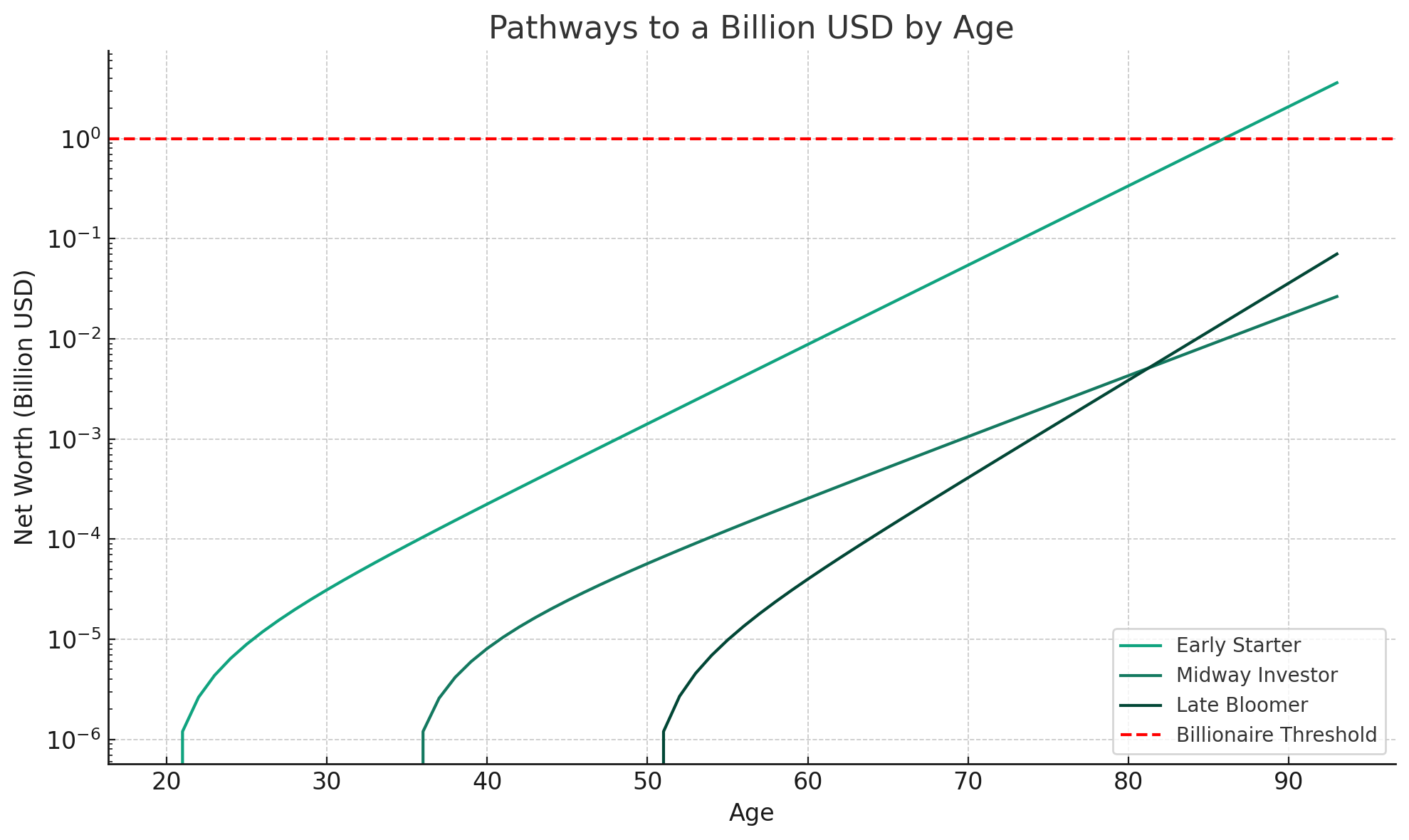
Achieving a ten-figure net worth is a massive milestone, but maintaining it requires sophisticated asset management, continuous revenue growth, and resilience against market volatility. This article breaks down how Lamont accumulated his wealth, the current composition of his portfolio, and the risks that could threaten his standing on the billionaire index.
The Road to Ten Figures: How Lamont Built His Wealth
To understand whether his fortune is secure, we first need to look at how he made it. Lamont’s rise was not traditional. Rather than climbing the corporate ladder or inheriting a family enterprise, he leveraged the modern digital ecosystem to scale a personal brand into a sprawling commercial empire.
His early success stemmed from high-engagement media production, which captured millions of loyal followers globally. However, digital ad revenue alone rarely equals a multi-billion-dollar valuation. Lamont quickly pivoted his attention toward high-margin business ventures, including direct-to-consumer product lines, strategic equity stakes in emerging tech startups, and aggressive real estate acquisitions.
Key Drivers of His $1.5 Billion Valuation
- Media and Licensing: Monetizing massive content distribution channels across multiple global platforms.
- Venture Investments: Early-stage backing of software-as-a-service (SaaS) and artificial intelligence startups.
- Real Estate Portfolio: Prime commercial and residential holdings in high-growth metropolitan areas.
- Merchandising & Private Label: Consumer goods that boast high profit margins and steady repeat customer rates.
Analyzing the Assets: What Makes Up the Portfolio?
A net worth of $1.5 billion is rarely sitting in a bank account as liquid cash. For most billionaires, wealth is tied up in illiquid assets, company shares, and physical property. For Lamont at Large, his valuation relies heavily on the performance of his private companies and market-sensitive investments.
Private company valuations can be volatile. When market multiples are high, tech and media startups command massive price tags. However, if macroeconomic conditions shift or industry growth slows down, those private valuations can face severe downward pressure. Financial auditors frequently re-evaluate these holdings, meaning a billionaire on paper today could see their net worth dip below the threshold tomorrow if valuations contract.
Vulnerabilities and Risks to His Billionaire Status
Maintaining a nine- or ten-figure net worth is notoriously difficult. Several factors could challenge Lamont’s financial stability in the coming years.
1. Market Correction and Tech Valuations

Because a significant portion of modern fortunes is tied to digital assets and tech-adjacent businesses, any broader economic downturn or contraction in venture capital funding directly impacts paper wealth. If the tech sector experiences a prolonged bear market, the valuation multiples applied to Lamont’s private investments will likely shrink.
2. Personal Brand Dependency
Much of Lamont’s initial business empire was built on the back of his personal brand. When a business is deeply tied to a single individual, it faces unique risks. Reputation management, shifting consumer attention, and audience fatigue can all impact the bottom line of businesses that rely heavily on organic, creator-driven marketing.
3. Regulatory and Tax Shifts
Global discussions around wealth taxes, higher capital gains rates, and stricter regulations on digital creators and platform monetization could eat into profit margins. High-net-worth individuals must constantly adapt their tax strategies to preserve capital, a task that becomes increasingly complex as fortunes scale.
Diversification: The Shield Protecting His Fortune
Despite these risks, Lamont has shown a strong inclination toward aggressive diversification. Rather than keeping all his eggs in the digital media basket, he has systematically funneled capital into traditional, cash-flowing asset classes.
His real estate holdings, for instance, provide a reliable hedge against inflation and digital market downturns. Commercial and residential properties generate consistent rental income, while long-term appreciation protects the baseline of his wealth. Furthermore, his shift into passive venture capital investments means he is earning dividends and equity returns from industries completely separate from his primary media roots.
The Future Outlook: Will He Stay a Billionaire?
So, can Lamont at Large’s billionaire status endure the test of time? Based on current financial trajectories and his pivot toward smart asset diversification, the outlook is cautiously optimistic.
While paper wealth is always subject to the whims of the market, Lamont has successfully transitioned from a standard digital creator into a multifaceted entrepreneur. As long as he continues to reinvest his capital into cash-flowing enterprises, manages his tax liabilities prudently, and avoids over-leveraging his private assets, his $1.5 billion net worth should remain intact well into the future.