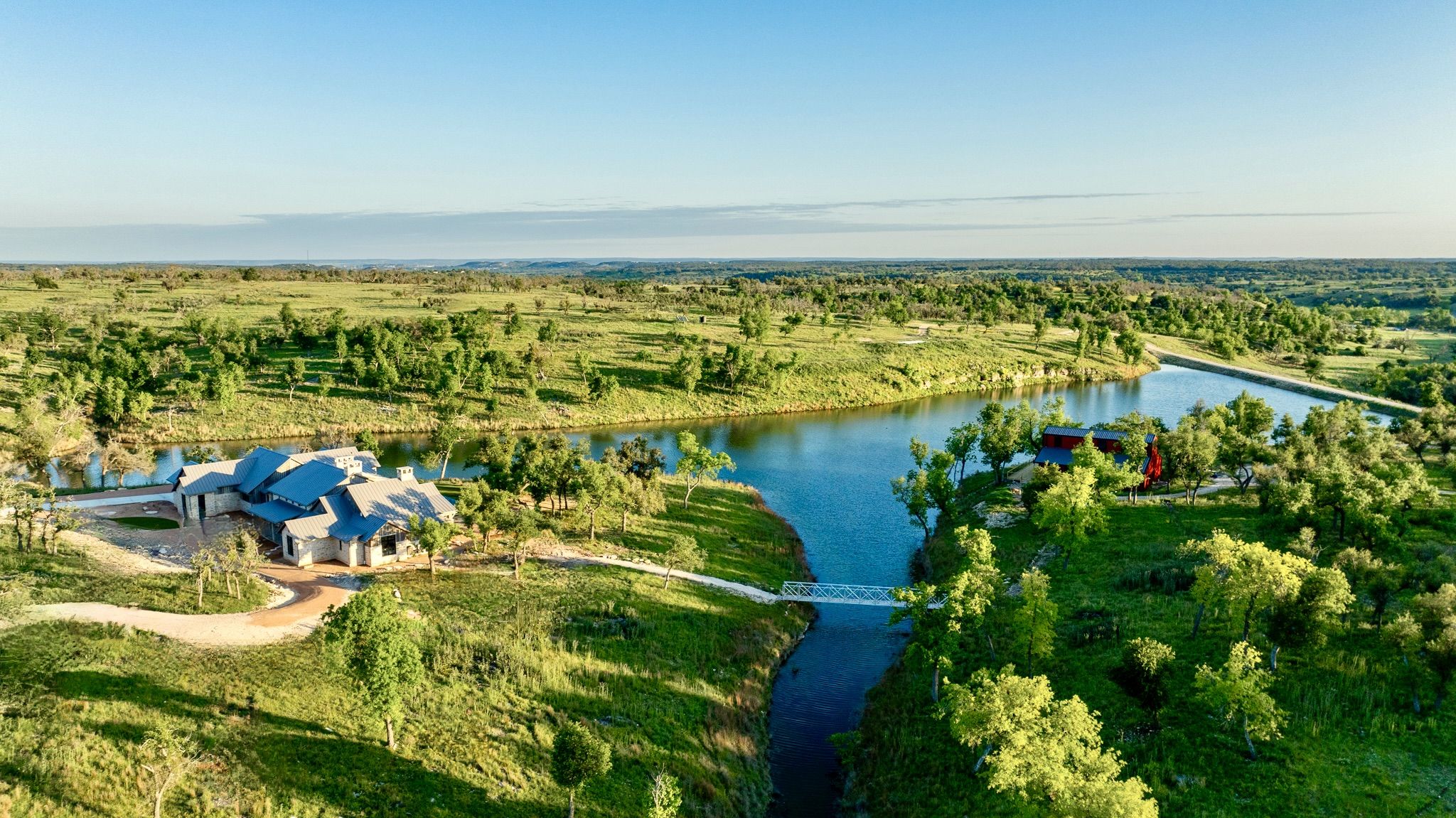
Land Watch: How to Find and Buy Rural Property
Purchasing raw land is vastly different from buying a suburban home with pre-existing plumbing, electrical grids, and paved neighborhood streets. Whether you are looking to build a custom off-grid homestead, invest in acreage for future appreciation, or secure a private recreational hunting retreat, navigating the vacant property market requires a distinct set of skills. Implementing a dedicated land watch strategy helps you monitor inventory, understand pricing trends, and evaluate property viability before putting your hard-earned money on the line.

In this guide, we will break down the essential steps for finding the right parcel, conducting thorough due diligence, and successfully closing a raw land transaction.
Defining Your Property Goals and Criteria
Before you begin browsing listings or setting up digital alerts, you must clearly define what you intend to do with the property. Raw land falls into several broad categories, and each comes with different zoning requirements, utility needs, and financial implications.
- Residential Homesteading: You plan to build a primary residence, plant gardens, and potentially keep livestock.
- Recreational Use: The land will be used primarily for camping, hunting, ATV riding, or weekend getaways.
- Agricultural Production: You are looking for arable soil, pastureland, or timber tracts that can generate income.
- Long-Term Investment: You are buying in the path of growth, hoping the surrounding area develops over the next decade.
Once you identify your primary goal, you can narrow down your search radius. Factors like topography, proximity to paved roads, and distance to the nearest town will instantly shift from minor details to deal-breakers.
How to Effectively Monitor the Market
Finding the best rural properties requires patience and the right digital tools. Because raw land stays on the market much longer than traditional suburban housing, you have the luxury of time—if you know where to look.
Using Listing Platforms and Alerts
Major national real estate aggregators feature rural listings, but niche marketplaces often capture properties that standard agents miss. Set up automated email alerts based on specific counties, acreage minimums, and price-per-acre thresholds. This ensures that the moment a new listing drops, you are among the first to review it.
Working with Local Land Specialists
National agents often lack the hyper-local expertise needed to navigate rural markets. Seek out real estate agents who specialize specifically in farm, ranch, and recreational land. These professionals often know about unlisted properties, family land splits coming to market, and local zoning quirks that can make or break your purchase.
Crucial Due Diligence Before Buying Land
Video: Land of Hope and Dreams American Tour (Philadelphia Freedom Cut Part 3)

Never buy land sight unseen, and never waive your due diligence period. Unlike a house where an inspector checks the roof and HVAC system, evaluating raw land requires investigating invisible legal and environmental factors.
Access and Easements
Does the property touch a state or county-maintained road? If not, you must verify that there is a legal, recorded easement granting access across neighboring property. Without guaranteed legal access, you could own a piece of land you are legally forbidden from reaching.
Utilities and Infrastructure
Bringing electricity, water, and waste management to a remote parcel can easily cost tens of thousands of dollars. Always check the distance to the nearest power pole. For water, research the average depth of local wells by speaking with regional well-drilling companies. If the soil does not perc (percolate) properly, you may struggle to install a standard septic system, limiting your ability to build.
Zoning, Covenants, and Restrictions
Just because land is rural does not mean you can do whatever you want with it. Check county zoning laws to confirm whether manufactured homes, RV living, or commercial farming are permitted. Additionally, review any homeowner association (HOA) rules or deed restrictions that might dictate minimum house sizes, roofing materials, or livestock limits.
Financing Options for Vacant Property
Securing a mortgage for raw land is notoriously more difficult than financing a traditional home. Traditional banks view vacant land as a higher risk because it generates no immediate income and is harder to repossess if a borrower defaults.
Common financing paths include seller financing, where the current owner acts as the bank, often requiring a lower down payment and more flexible terms than a commercial lender. Local credit banks and agricultural lenders (such as Farm Credit associations) are also much more familiar with rural values and more likely to offer land loans than massive national banking institutions.
Final Thoughts
Embarking on a land purchase is an exciting milestone that can lead to generational wealth, personal freedom, and a deep connection to nature. By treating your search as an active land watch—carefully tracking the market, performing rigorous due diligence on access and utilities, and working with local experts—you can secure a property that meets your exact needs without encountering costly surprises down the road.