Land Watch Indiana: Guide to Buying Rural Real Estate
Navigating Land Watch Indiana for Rural Real Estate
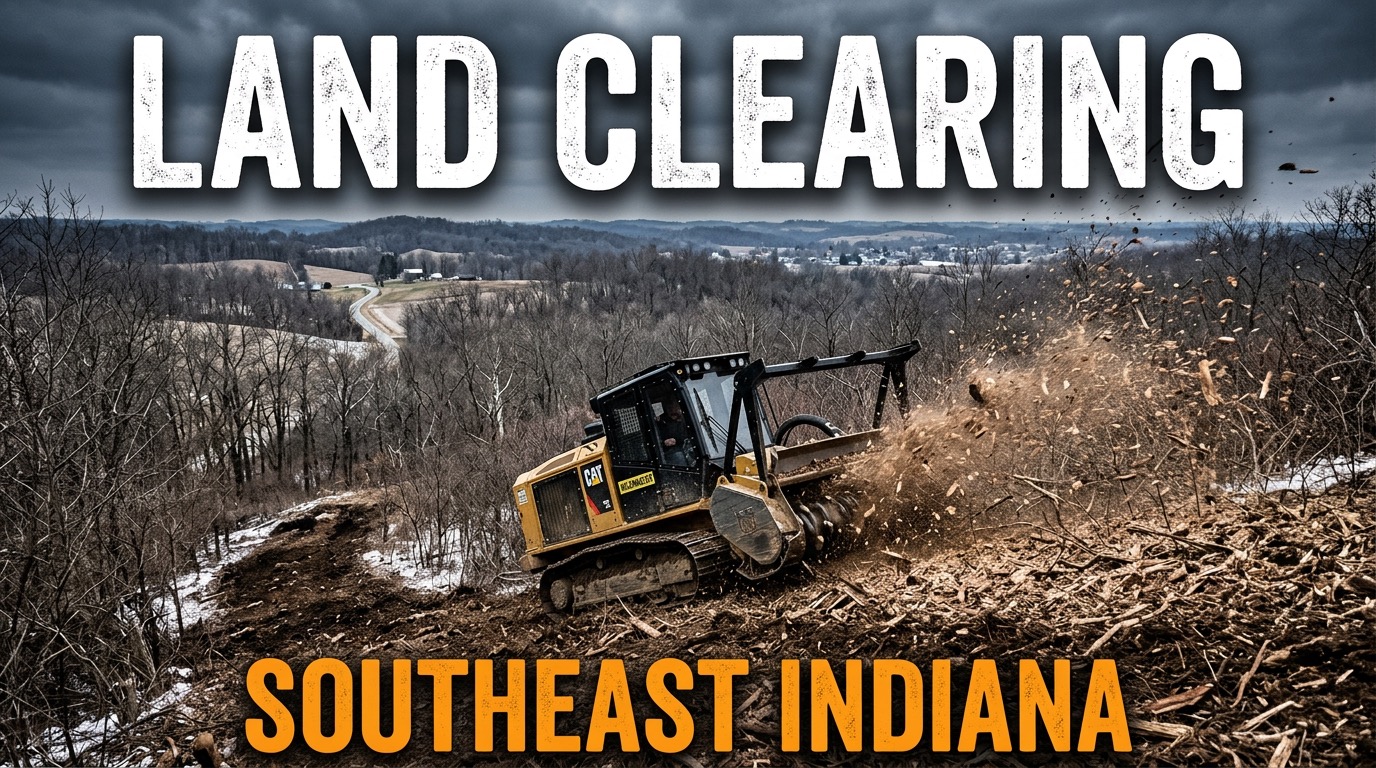
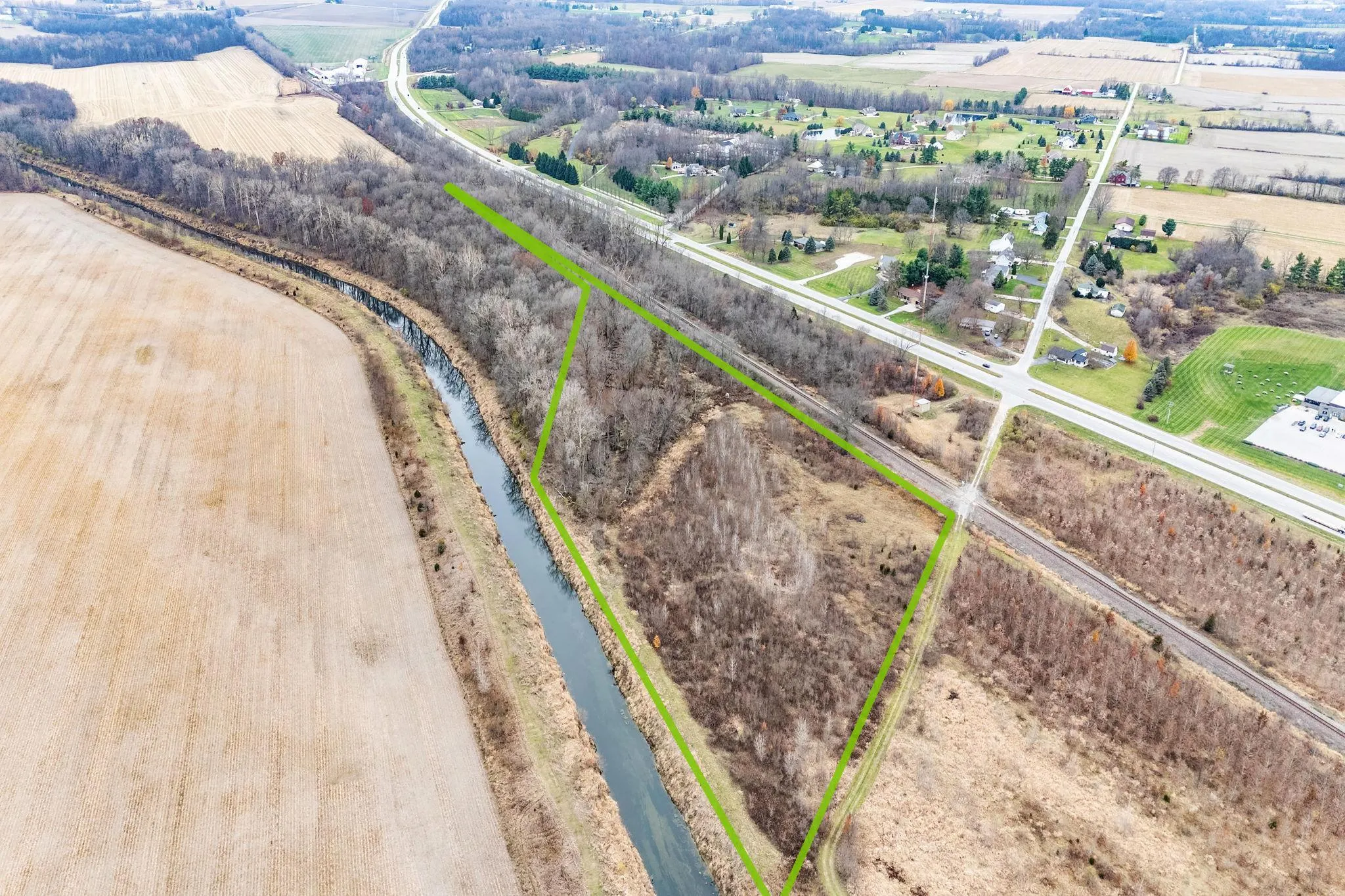
Buying rural property in the Hoosier State requires a different strategy than purchasing a standard suburban home. Whether you are looking for tillable farmland, wooded hunting acreage, or a secluded spot to build a custom homestead, tracking the market effectively is essential. Platforms like Land Watch Indiana serve as valuable digital hubs for buyers seeking everything from small residential lots to sprawling agricultural estates.
Indiana's landscape varies dramatically from the rolling hills and dense forests of the southern region to the flat, fertile agricultural plains of central and northern counties. Understanding how to navigate online land listings, evaluate property boundaries, and verify local zoning laws will help you secure the right piece of real estate without costly surprises.
Understanding the Indiana Land Market
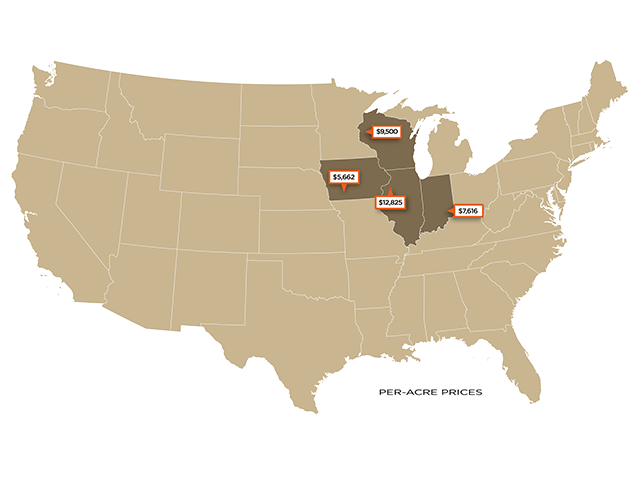
Before diving into active listings, it helps to understand the economic and geographic drivers of the Indiana real estate market. Land values fluctuate based on soil productivity, timber quality, recreational potential, and proximity to growing metropolitan areas like Indianapolis, Fort Wayne, and Evansville.
Agricultural Land vs. Recreational Acreage
Farmland in Indiana is often priced per tillable acre, driven heavily by commodity prices and crop yields. Buyers looking for investment farm ground closely monitor local cash rental rates and soil quality maps (such as NCCPI ratings). On the other hand, recreational land—frequently found in hilly southern counties like Brown, Monroe, and Crawford—is valued for its topography, wildlife populations, and timber potential. Knowing your primary goal will dictate which listings you focus on.
Zoning and County Regulations
One of the most common pitfalls for first-time rural buyers is assuming that owning land means you can do whatever you want with it. Indiana counties have varying regulations regarding:
- Agricultural exemptions: Rules governing outbuilding construction and farming activities.
- Septic permits: Soil testing requirements before a building permit is issued.
- Easements and right-of-ways: Access roads, utility lines, and drainage ditches that cross the property.
- Timber harvest restrictions: Local ordinances that may limit logging activities.
How to Effectively Use Land Listings
When searching for property via Land Watch Indiana and similar marketplaces, filtering tools are your best friend. To avoid wasting time on properties that do not fit your needs, apply specific search parameters right from the start.
- Define your acreage range: Small parcels under five acres sell quickly and often carry a higher price per acre, while tracts over forty acres require a larger capital investment but offer more privacy.
- Set alerts: Real estate moves quickly in competitive rural pockets. Set up daily or weekly email notifications for new listings in your target counties.
- Analyze map layers: Use interactive satellite maps to check for nearby livestock operations, cell towers, high-voltage power lines, or active flood zones.
Due Diligence Before Making an Offer
Video: Aaron Steele - F.C. Tucker | Real Estate in Indiana

Once you find a promising listing, your due diligence process begins. Unlike traditional residential purchases where a home inspection covers most concerns, buying raw land requires specialized investigations.
Ordering a Professional Survey
Fences do not always line up with legal property boundaries in rural areas. Always make your purchase contingent on a boundary survey performed by a licensed Indiana surveyor. This ensures you know exactly where your acreage begins and ends, preventing future disputes with neighbors.
Checking Mineral and Water Rights
In many cases, surface rights and subsurface rights are separated. Check the title commitment to see if oil, gas, or mineral rights have been previously severed or leased to a third party. Additionally, research local water table depths if you plan on drilling a water well.
Access and Road Maintenance
Verify whether the property fronts a state highway, a county-maintained gravel road, or a private easement. If the driveway or access road is private, find out who is legally responsible for grading, snow removal, and bridge maintenance.
Financing Your Indiana Land Purchase
Securing a loan for raw land is fundamentally different from getting a standard mortgage. Traditional commercial banks often view vacant land as higher risk and may require larger down payments—frequently between 20% and 50%.
Alternative financing options include:
- Seller Financing: The current owner acts as the bank, allowing you to negotiate terms directly.
- Farm Credit Services: Specialized lenders who understand rural property values and agricultural operations.
- USDA Loans: Certain rural development programs may apply if you plan to build a primary residence on the property immediately.
Conclusion
Finding the ideal property takes patience, research, and a clear understanding of your long-term goals. By utilizing platforms like Land Watch Indiana, conducting thorough due diligence, and understanding local county regulations, you can successfully navigate the market and secure a valuable piece of the Hoosier State.