LaPorte Busted Newspaper: Arrests & Court Records
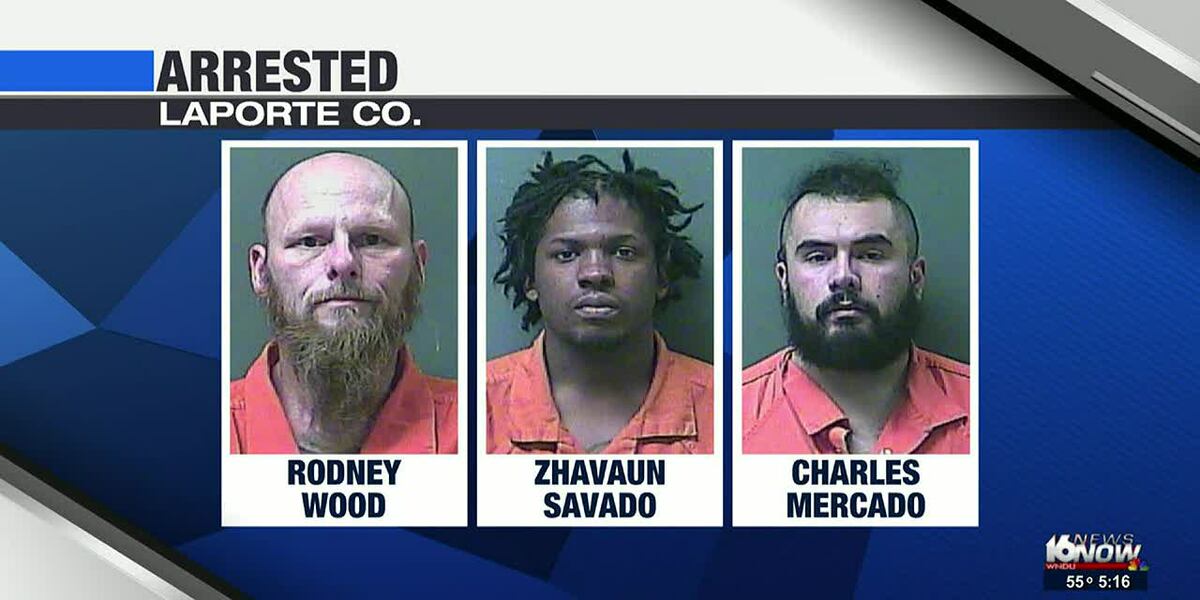
When individuals search for the laporte busted newspaper, they are usually trying to track down recent booking photos, arrest logs, or criminal charges filed in LaPorte County, Indiana. Commercial aggregators and local arrest tabloids have grown significantly over the past decade, aggregating public booking data and displaying it online. However, relying on third-party publishers for criminal history can lead to misunderstandings, outdated information, and potential legal inaccuracies.

Whether you are checking on a friend or family member, conducting informal background research, or trying to manage your own digital footprint, it helps to understand how these publishing platforms work and where to find authoritative, real-time public records directly from county and state authorities.
Understanding the LaPorte Busted Newspaper and Public Records
Platforms carrying names like "Busted Newspaper" operate as third-party commercial websites. They systematically scrape public booking data, intake logs, and mugshots released by municipal police departments and county sheriff offices. Once collected, they republish this data on their own ad-supported networks.
In LaPorte County, Indiana, arrest information is considered a matter of public record under the Indiana Access to Public Records Act (APRA). This law guarantees the public right to inspect government agency records, including law enforcement booking logs. While traditional local publications—such as the LaPorte County Herald-Dispatch—cover arrests primarily as part of broader community journalism, specialized booking sites focus exclusively on high-volume mugshot galleries.
It is vital to recognize one key legal reality: an arrest is not a conviction. Booking logs reflect only that law enforcement detained an individual upon probable cause or an active warrant. Many individuals featured on third-party aggregators ultimately have their charges dismissed, reduced, or resolved through diversion programs, yet commercial websites rarely update those outcomes automatically.
How to Access Official LaPorte County Arrest Records
Rather than relying on unverified third-party websites that may host stale or incomplete information, you can access reliable, official records through government databases in Indiana. These sources provide context, case status updates, and verifiable legal documentation.
1. The LaPorte County Sheriff’s Office Inmate Roster
The LaPorte County Sheriff's Office manages the county jail located in LaPorte, Indiana. The agency maintains daily booking records and active inmate rosters. By visiting their official portal or contacting the jail division, you can confirm:
- Whether an individual is currently in custody.
- Booking dates and processing times.
- Preliminary criminal charges.
- Bond amounts and bail conditions.
2. Indiana MyCase (mycase.in.gov)
Video: La Porte Heroin overdoses
If you want to know whether an arrest resulted in formal charges, the best resource is Indiana MyCase, the state's comprehensive online court records system. It is free, open to the public, and updated constantly by court clerks across Indiana's counties.
Using MyCase, you can search by an individual's name or case number to view:
- Formal charges filed by the LaPorte County Prosecuting Attorney.
- Upcoming court hearings, pretrial conferences, and trial dates.
- Case dispositions, including guilty verdicts, acquittals, or dismissals.
- Sentencing orders, probation terms, or diversion agreements.
3. Indiana Department of Correction (IDOC) Offender Locator
If a person was sentenced to state prison rather than held locally in the LaPorte County Jail, their information transitions to the state level. The IDOC offender database allows users to track state prisoners, parole statuses, and projected release dates.
The Issues with Third-Party Mugshot Aggregators
Commercial booking websites generate revenue primarily through digital advertising impressions. Because their business model depends on clicks and search traffic, these sites often prioritize visibility over context. Several common problems arise when relying on them:
- Lack of Case Resolution: Aggregator sites scrape the initial booking record, but they do not automatically update the entry when a prosecutor drops the charges or a jury finds the defendant not guilty.
- Identity Confusion: Individuals with common first and last names are frequently mixed up by casual searchers, leading to misidentification and reputational harm.
- Expungement Delays: Under Indiana law (IC 35-38-9), individuals who qualify can have their arrest or conviction records expunged. State databases quickly seal these files, but private web crawlers often retain the archived pages indefinitely unless formally challenged.
How to Handle Your Record on Third-Party Sites
Discovering your own mugshot or booking record on a commercial site can be alarming, particularly when applying for jobs, housing, or educational programs. If your information appears on an arrest-publishing portal, take systematic steps to resolve the issue:
- Secure Certified Court Documents: If your case ended in a dismissal, an acquittal, or an expungement granted by an Indiana judge, obtain a certified copy of the order from the LaPorte County Circuit or Superior Court Clerk.
- Submit a Formal Removal Request: Most arrest-scraping websites feature a "Terms of Service" or "Record Removal" page. Legitimate removal requests backed by court-ordered expungements or proof of non-filing must often be honored under state or federal privacy standards.
- Beware of Predatory Removal Scams: Many disreputable "reputation management" companies work in tandem with mugshot sites, demanding hundreds or thousands of dollars to scrub entries. Never pay an unverified fee without verifying whether the publisher is legally required to remove expunged records for free under state compliance rules.
- Consult an Indiana Expungement Attorney: Indiana's "Second Chance" laws allow many non-violent offenses, dismissals, and arrests that did not lead to convictions to be permanently expunged. Once an expungement order is signed, it is unlawful for most consumer reporting agencies and commercial registries to report the incident.
Responsible Use of Online Public Records
Public records serve an important role in government transparency, allowing communities to observe how law enforcement agencies and judicial systems operate. However, public records also require ethical responsibility from readers.
Before drawing conclusions from an online mugshot or booking snippet, cross-reference the data with the official LaPorte County Sheriff’s Office records or the Indiana MyCase database. Doing so guarantees that you are viewing real-time, legally accurate information rather than a static, unverified snapshot from a third-party commercial platform.