LAUSD School Meal Options Cater to Diverse Diets
Feeding Every Student: An Overview of LAUSD Dining

As the second-largest public school district in the United States, the Los Angeles Unified School District (LAUSD) serves hundreds of thousands of meals every single day. Providing nourishment to a student body as vast and culturally rich as Los Angeles requires immense logistical coordination and a deep commitment to inclusivity. Today, LAUSD school meal options cater to diverse dietary needs and allergies, ensuring that every child has access to safe, nutritious, and appealing food during the school day.
Gone are the days of the one-size-fits-all cafeteria tray. Recognizing that modern students navigate a wide array of medical, cultural, and personal nutritional requirements, LAUSD’s Food and Crisis Services division has transformed its menu planning. The district aims to fuel academic success while making sure no student feels alienated in the lunchroom due to a medical condition or dietary choice.
How LAUSD Manages Food Allergies and Medical Diets
Food allergies can be life-threatening, making safety the absolute highest priority in school nutrition programs. LAUSD implements strict protocols to protect students with severe reactions to common allergens such as peanuts, tree nuts, dairy, eggs, soy, wheat, and fish.
The Medical Statement Protocol
To secure a customized meal plan for a child with a diagnosed medical condition or food allergy, parents must submit a medical statement signed by a licensed physician. This document outlines the exact allergy, the severity of the reaction, and the specific foods that must be avoided, as well as safe substitutes. Once on file, the school nurse, cafeteria manager, and teachers are alerted to safeguard the student against accidental exposure.
Allergen-Free Designations and Labeling
Nutritional transparency is crucial for parents and students. LAUSD provides detailed allergen and carbohydrate information for all menu items online and through nutritional portals. Furthermore, the district systematically eliminates certain high-risk ingredients district-wide—such as using entirely peanut-free manufacturing and preparation facilities—drastically reducing the risk of cross-contamination in communal eating spaces.
Religious, Cultural, and Lifestyle Dietary Options
Beyond medical necessity, student wellness includes honoring cultural backgrounds, religious observances, and personal ethical choices. Los Angeles is a mosaic of traditions, and the school district works diligently to reflect this diversity on its lunch trays.
Video: LAUSD set to launch line of school lunches with emphasis on nutrition

Vegetarian and Vegan Choices
Plant-based eating has grown exponentially among youth for health, environmental, and ethical reasons. LAUSD has responded by making vegetarian and vegan entrees a permanent fixture on daily menus. Students can regularly find options such as black bean burgers, hummus power boxes, lentil soups, and dairy-free alternatives. These plant-forward meals not only satisfy lifestyle preferences but also introduce fiber-rich, nutrient-dense foods to developing palates.
Religious and Cultural Accommodations
Many LAUSD students adhere to specific religious dietary laws, such as Halal or Kosher, or avoid certain meats during religious observances like Lent. While providing certified Halal or Kosher meals across every single campus remains an ongoing operational challenge, the district’s heavy emphasis on vegetarian options provides a reliable, universally accepted alternative for students whose dietary restrictions prevent them from consuming standard meat products.
Dietary Accommodations in Action: What's on the Tray?
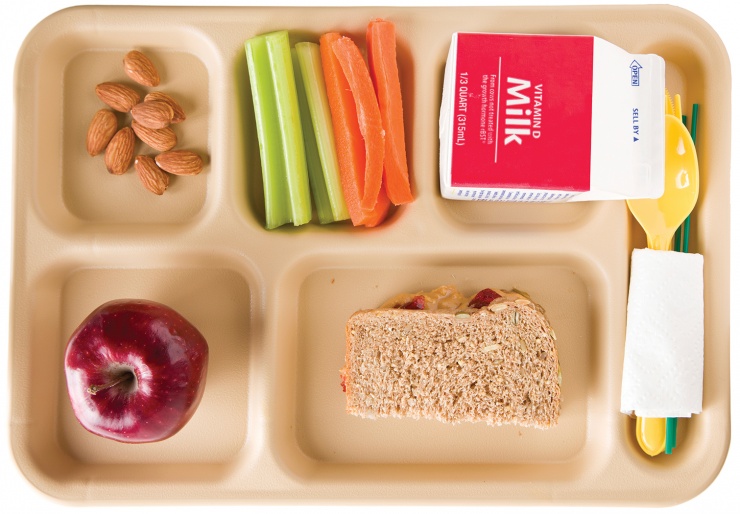
To understand how these policies translate to daily operations, it helps to look at the variety built into the standard weekly menu rotation. The district balances federal nutrition guidelines with local preferences, offering:
- Gluten-Sensitive Alternatives: Specially sourced gluten-free bread and entrees for students diagnosed with celiac disease or non-celiac gluten sensitivity.
- Lactose-Free Milks: Lactose-reduced dairy milk and calcium-fortified plant milks (such as soy milk) available for students who cannot digest regular dairy.
- Fresh Salad Bars: Self-serve or pre-packaged fruit and vegetable stations that allow students to customize their plates around their specific likes and nutritional goals.
- Low-Sodium and Whole Grain Staples: Modifications that naturally support students managing hypertension or blood sugar concerns.
Collaborating for Success: Parents, Schools, and Nutritionists
Successfully feeding a diverse student body requires a collaborative community approach. LAUSD relies on open communication channels between families and food services.
Parents are encouraged to reach out to their child's school administration or the LAUSD Food Services Division at the start of each academic year—or immediately following a new medical diagnosis. By working proactively, cafeteria staff can prepare specialized inventories and ensure that alternative meals are seamlessly integrated into the serving line without drawing unwanted attention to the affected student.
Looking Forward: The Future of Inclusive School Food
As nutritional science evolves and student demographics shift, LAUSD continues to innovate its meal programs. Feedback from student taste-testing panels, parent advisory committees, and nutritional experts helps the district refine its recipes continuously. By prioritizing inclusivity, health, and flavor, LAUSD proves that large-scale institutional feeding can still be personalized, compassionate, and responsive to the unique needs of every child.