Layoff at Fiserv: Impact, Severance, and Next Steps
When news breaks of a restructuring or layoff, Fiserv employees, contractors, and industry observers understandably seek clarity. As one of the largest payment processing and financial technology providers in the world, Fiserv touches trillions of dollars in transactions annually through products like Clover, First Data legacy systems, and core banking platforms. However, organizational realignments, real estate consolidations, and macroeconomic pressures have led to recurring workforce reductions across multiple divisions.

If you have been impacted by job cuts at Fiserv, or if you are monitoring organizational shifts within the company, understanding the underlying drivers and knowing how to navigate your next steps can help you regain control of your professional path.
Why Workforce Cuts Happen at Fiserv
Workforce reductions at a Fortune 500 company rarely stem from a single factor. At Fiserv, several operational and strategic developments have influenced head-count adjustments in recent years.
1. Integration and Legacy Redundancies
Following mega-mergers—most notably the acquisition of First Data—Fiserv spent years consolidating overlapping infrastructure, administrative operations, and client service teams. Even years after a formal transaction closes, enterprise software organizations continue streamlining duplicative engineering stacks, vendor contracts, and management layers to drive operating margin expansion.
2. The Hub Strategy and Office Mandates
Fiserv has actively pursued a centralized geographic hub model, investing heavily in consolidated campuses in locations such as Berkeley Heights (New Jersey), Alpharetta (Georgia), Brookfield (Wisconsin), and Omaha (Nebraska). Concurrently, strict return-to-office (RTO) policies requiring in-person attendance have prompted both voluntary attrition and involuntary separations for workers unable or unwilling to relocate to designated regional centers.
3. Automation and Operational Efficiency
Like many enterprise financial technology companies, Fiserv continuously seeks operational leverage. Routine quality assurance, Tier-1 customer support, and administrative processing roles have increasingly been transitioned to automated workflows, self-service portals, or lower-cost offshore centers.
Which Divisions and Roles Are Typically Affected?
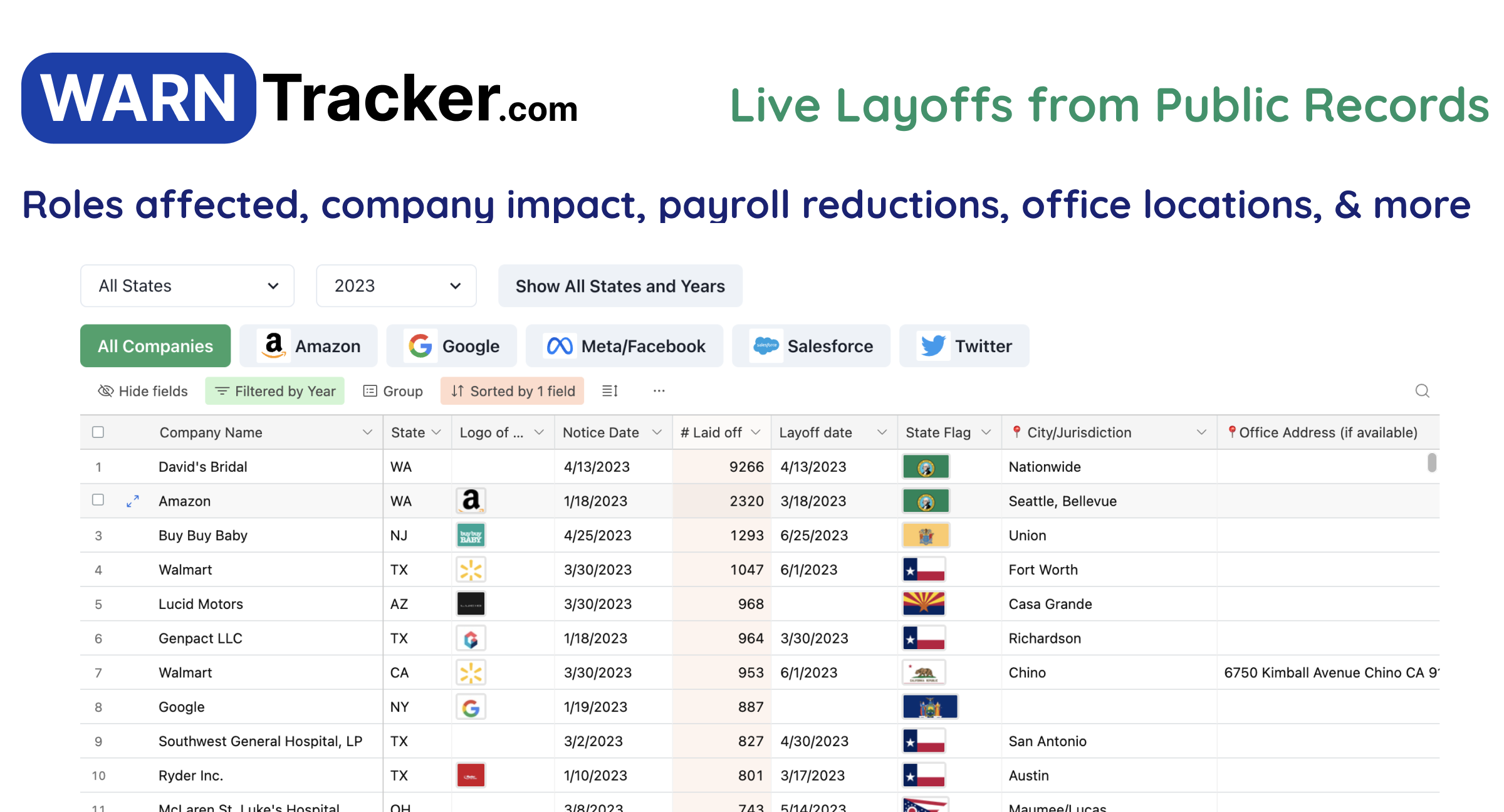
While executive leadership rarely issues comprehensive public breakdowns of targeted departments, internal reports and WARN (Worker Adjustment and Retraining Notification) filings often point to specific functional areas:
- Software Engineering & Legacy Maintenance: Teams maintaining older, bespoke merchant acquiring systems that are being phased out in favor of cloud-native architectures.
- Middle Management & Agile Coaching: Layers of regional management, scrum masters, and program managers reduced during structural flattening initiatives.
- Customer Service & Implementation: Onboarding and client support teams affected by centralized operations or increased reliance on automated provisioning.
- Quality Assurance: Manual testing roles rendered redundant by modern CI/CD pipelines and automated testing frameworks.
Navigating a Layoff at Fiserv: Practical First Steps
Receiving notification of a job loss can be overwhelming. Taking systematic action in the first 72 hours helps safeguard your legal rights, financial security, and mental well-being.

1. Review Your Severance Agreement Thoroughly
Do not sign your separation agreement immediately. In the United States, employees are typically granted a statutory review period:
- Age 40 and Over: Under the Older Workers Benefit Protection Act (OWBPA), if you are part of a group termination, you must be given at least 45 days to review the agreement and 7 days after signing to revoke your acceptance.
- Under Age 40: You will still receive a designated window (often 14 to 21 days) to review the documents.
- Key Items to Check: Confirm the calculation of severance pay (often based on completed years of service), payout of accrued paid time off (PTO), bonus eligibility proration, and the precise date your health insurance coverage terminates.
2. Address Healthcare and Benefits
Under COBRA, you can maintain your employer-sponsored health insurance, though you will be responsible for the full premium plus an administrative fee unless Fiserv includes subsidized COBRA as part of your severance package. Compare COBRA costs against plans available on the Healthcare.gov marketplace; a layoff qualifies you for a Special Enrollment Period (SEP) outside of standard open enrollment.
3. File for Unemployment Immediately
State unemployment benefits do not kick in retroactively to your notification date; they begin once you submit your claim following your official termination date. Check your state's department of labor guidelines, as receipt of lump-sum severance pay may affect the timing of your first weekly benefit in certain jurisdictions.
4. Export Personal Documentation
Before losing access to internal networks, ensure you have personal copies of your performance reviews, paystubs, W-2 forms, and any contact information for colleagues. Never take proprietary code, internal design documents, client lists, or confidential data, as doing so violates non-disclosure agreements and risks legal complications.
Transitioning Your Career Beyond Fiserv
A background at Fiserv carries substantial weight in financial technology. Enterprise scale, complex regulatory compliance, and mission-critical transaction processing are skills in high demand across the broader software and fintech landscapes.
- Reframe Your Impact on Your Resume: Frame your achievements around measurable metrics. Did you decrease latency on a payment gateway? Reduce customer onboarding time? Modernize an API integration? Highlight scale, uptime, and efficiency rather than internal corporate terminology.
- Target Adjacent Ecosystems: Look beyond traditional payment processors. Fast-growing areas such as embedded finance, B2B SaaS billing platforms, fraud prevention, and regional banking cores actively recruit professionals with direct experience handling payment rails and merchant operations.
- Activate Your Peer Network: Former Fiserv colleagues work across dozens of high-growth technology firms. Reach out directly to trusted former teammates and managers on LinkedIn with a brief, focused message letting them know you are actively exploring new opportunities.
Protecting Yourself if You Still Work at Fiserv
For existing employees navigating ongoing corporate restructuring, remaining proactive is critical:
- Keep Your Resume and Portfolio Updated: Document your recent wins, metrics, and technology proficiencies while details are fresh in your mind.
- Maintain an External Network: Attend local tech meetups, participate in fintech associations, and stay active on professional platforms.
- Monitor Structural Signals: Watch for sudden hiring freezes in your department, budget reallocation, leadership departures, or renewed pressure regarding physical office attendance.
- Build an Emergency Fund: Ensure you have three to six months of living expenses set aside in a liquid, high-yield savings account to buffer against unexpected organizational shifts.
Experiencing a corporate restructuring is challenging, but it frequently serves as a catalyst for professional growth. By understanding your rights, managing your transition systematically, and leveraging the market value of your fintech background, you can navigate a career pivot effectively.