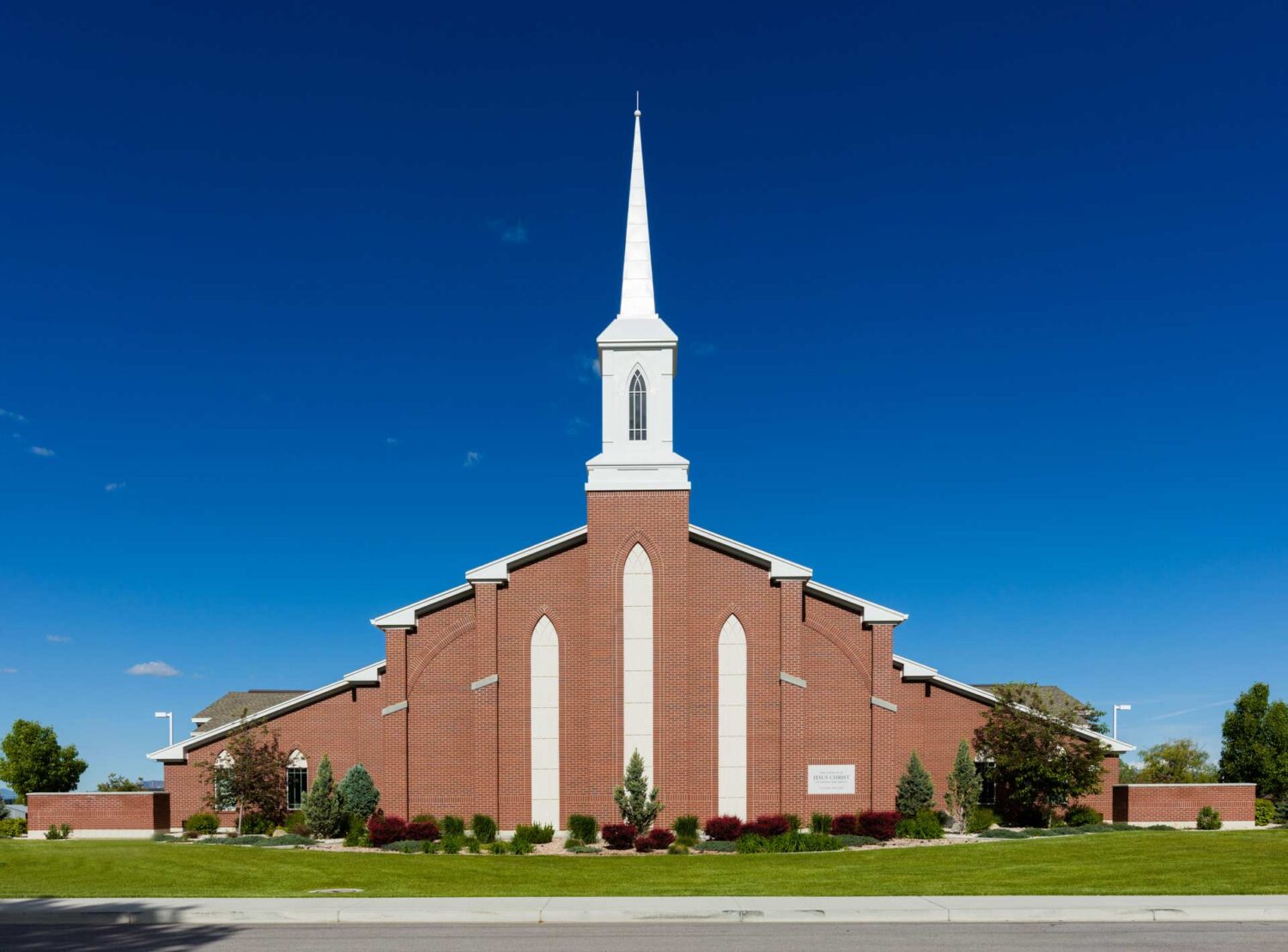
LDS Church Locator: More Than Just Addresses
When most people search for an LDS Church locator, they expect a simple map pin and a set of driving directions. Whether you are traveling over a weekend, moving into a new neighborhood, or looking into The Church of Jesus Christ of Latter-day Saints for the first time, opening the Church’s mapping tool feels straightforward. Yet treating this tool as a basic digital phonebook means overlooking some of its most valuable features.
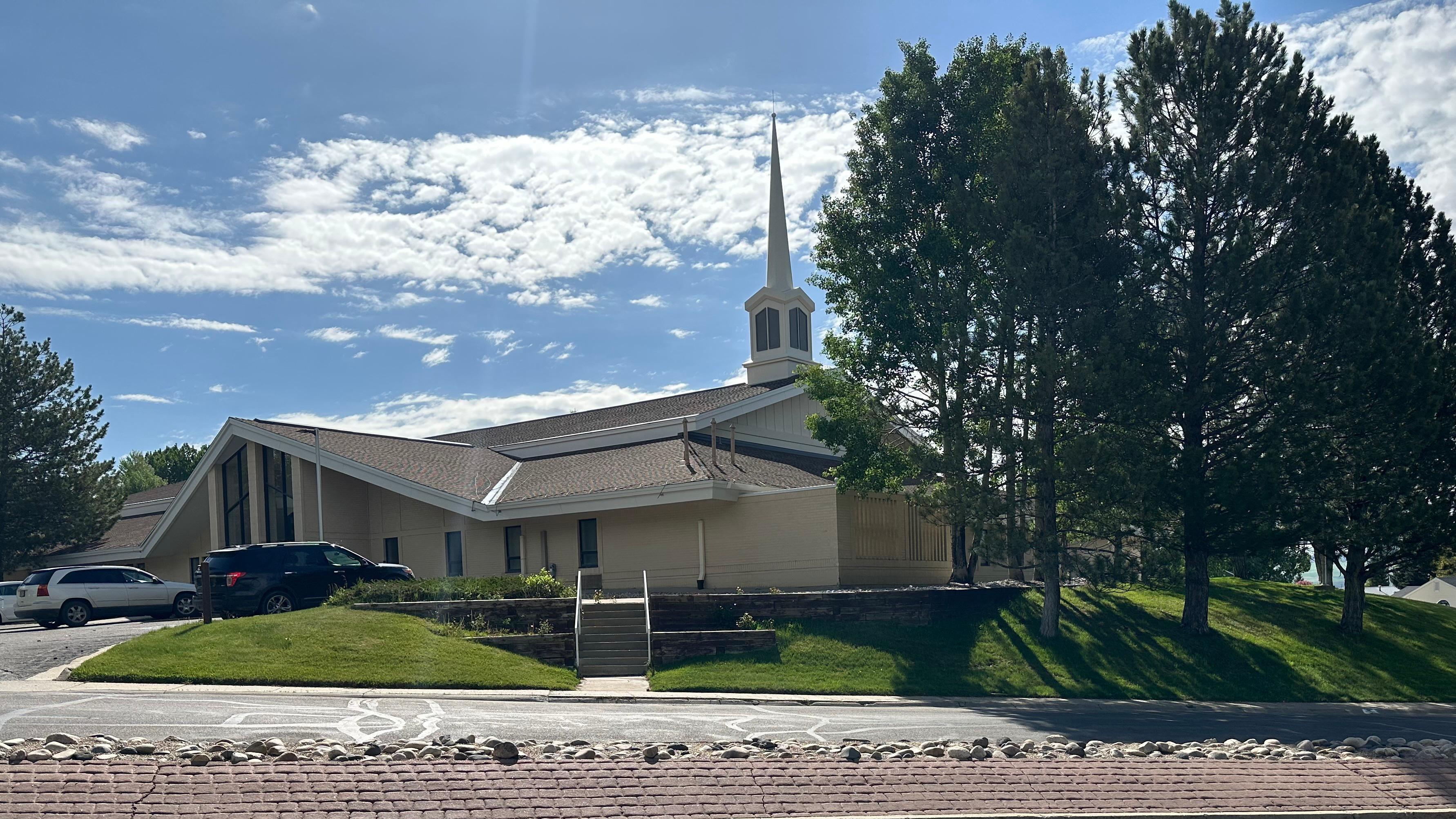
The global directory—formally called Church Maps or the Meetinghouse Locator—is an active administrative database. It does not simply pinpoint brick-and-mortar buildings; it maps congregations, languages, schedules, and leadership structures. Understanding how to use the locator to its full potential can save you from showing up at an empty building or attending a congregation that does not match your geographic boundaries.
The Architecture of an LDS Meetinghouse
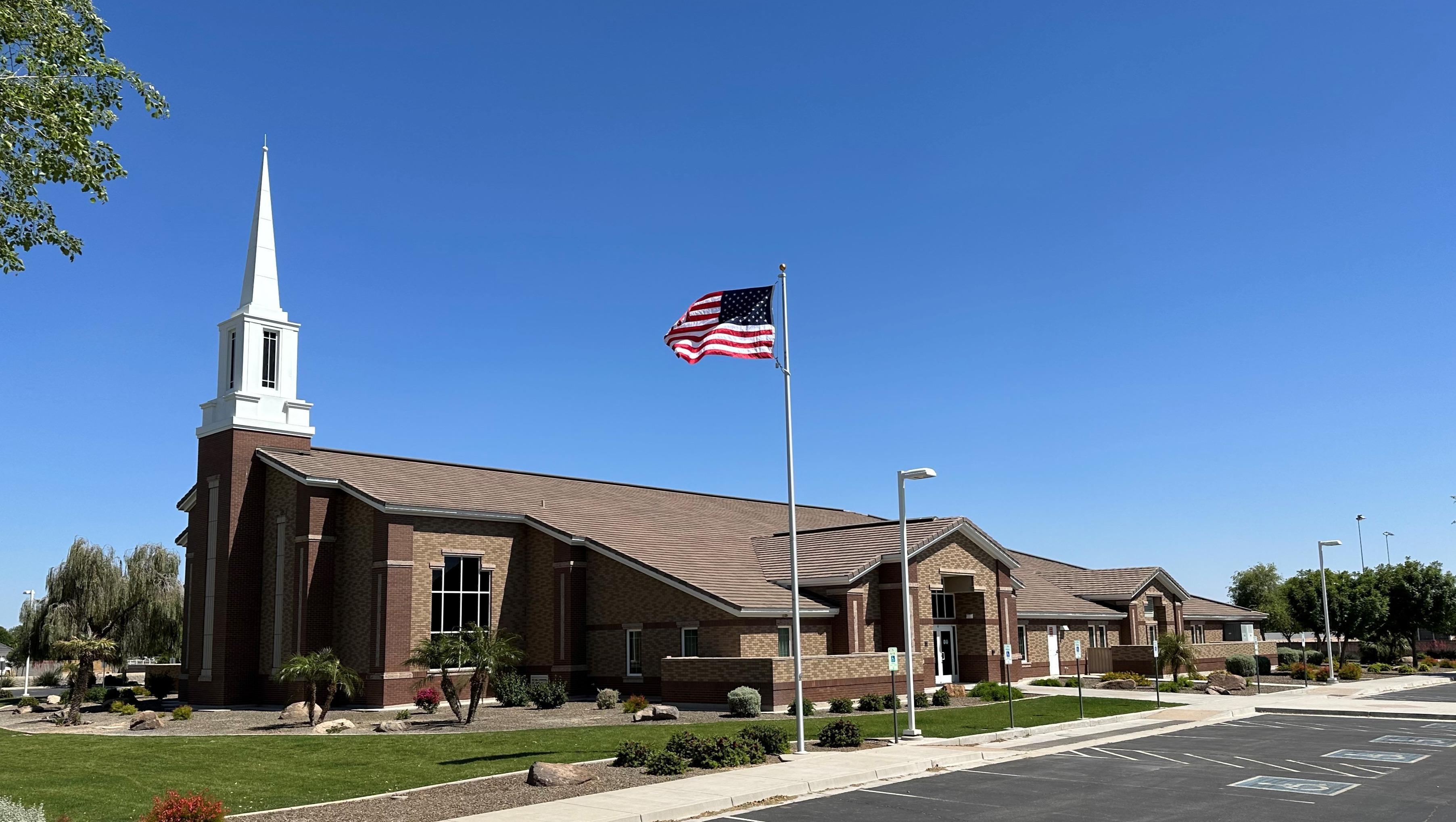
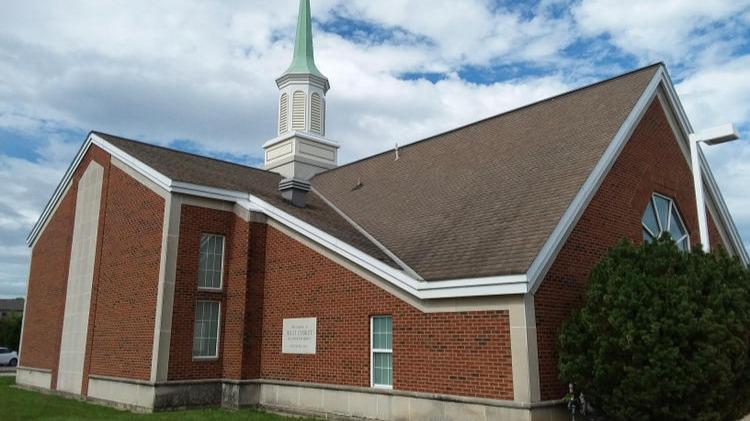
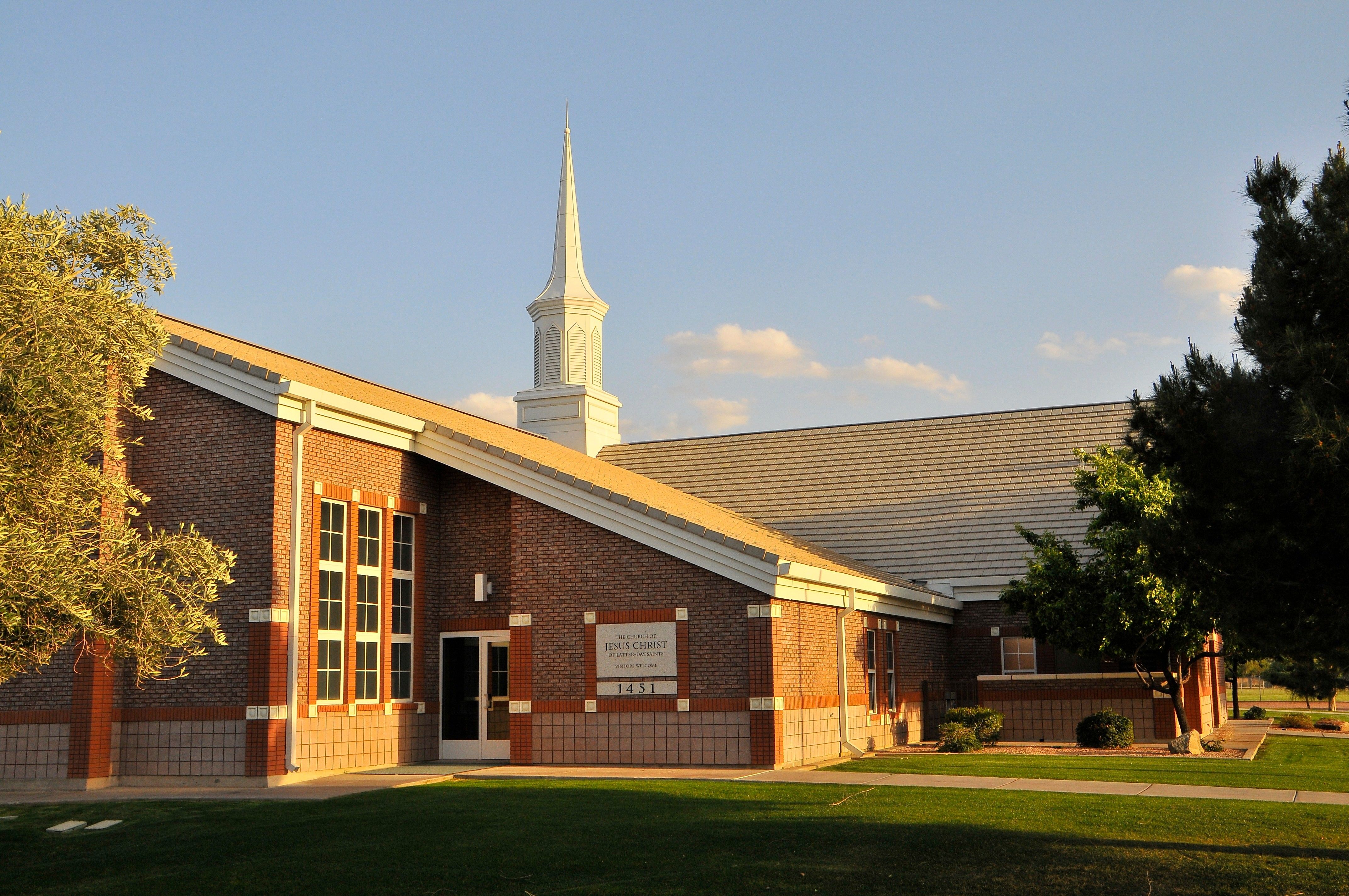
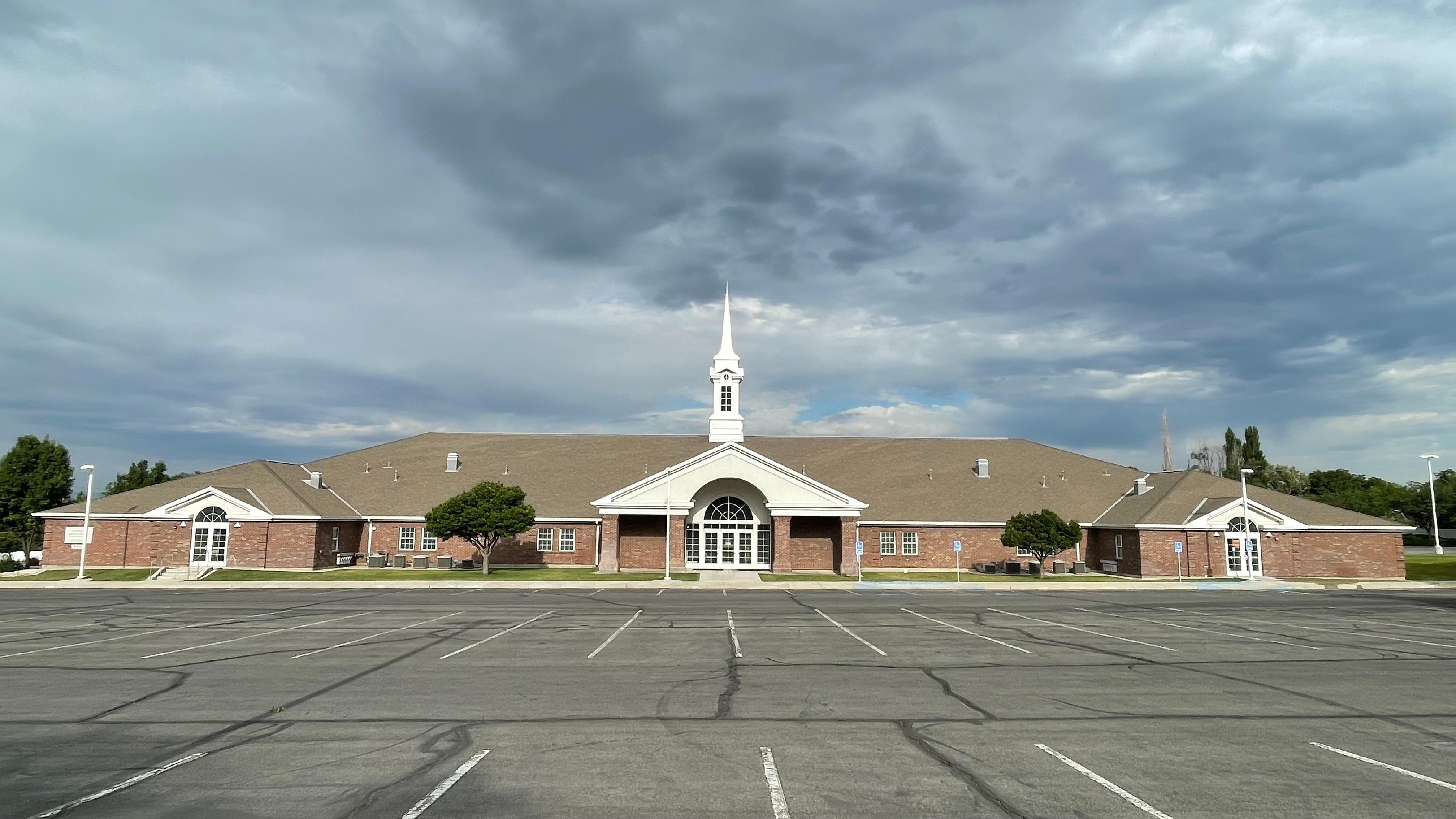
To understand why the locator tool provides so much detail, you first need to understand how Latter-day Saint congregations operate. Unlike many religious denominations where a single building belongs to a single congregation, LDS meetinghouses are shared spaces. A single chapel routinely hosts two, three, or even four distinct congregations—known as "wards" (larger groups) or "branches" (smaller groups).
Because multiple congregations share the same facility, services run on staggered schedules throughout Sunday morning and afternoon. If you look up only the physical address of the chapel, you run a high risk of arriving in the middle of another congregation's worship service or finding the parking lot completely full during a transition between units.
LDS Church Locator: More Than Just Addresses for Movers and Visitors
Latter-day Saint congregations are strictly geographic. With few exceptions, members do not shop around for a church community or pick a congregation based on the pastor’s style. Instead, every home belongs to a specific ward or branch boundary drawn by regional leadership (the "stake").
This geographic structure makes the search tool critical for two specific groups:
- House hunters and movers: When relocating, you cannot simply find the nearest chapel to know where you will attend. The closest building might belong to a neighboring stake, while your designated ward meets at a chapel several miles further away. Typing a precise residential address into the locator shows the exact assigned ward for that home.
- Travelers and visitors: Visitors are welcome at any LDS service. However, checking the specific unit details allows you to choose a service time that fits your itinerary, rather than showing up blindly and hoping a meeting is starting.
Decoding Meeting Times and Schedules
Latter-day Saint Sunday services follow a consolidated two-hour block. This format consists of two primary sixty-minute segments:
- Sacrament Meeting: The main general assembly where the entire congregation—men, women, youth, and children—gathers for hymns, prayers, short sermons from members, and the administration of the sacrament (communion).
- Class Period: An hour dedicated to religious instruction, rotating weekly between Sunday School and demographic-based organizations (Relief Society for women, Elders Quorum for men, Youth classes, and Primary for young children).
When you expand a congregation's profile inside the locator, look closely at the listed start time. That time represents the beginning of the two-hour block. The system will clearly state whether Sacrament Meeting happens during the first or second hour, helping visitors plan their attendance appropriately.
Finding Specialized and Language Congregations
One of the most underutilized filters in the locator tool is the ability to search by congregation type and language. While the default view points to standard geographic family wards, many metro areas offer specialized units designed to serve distinct groups.
Young Single Adult (YSA) Wards
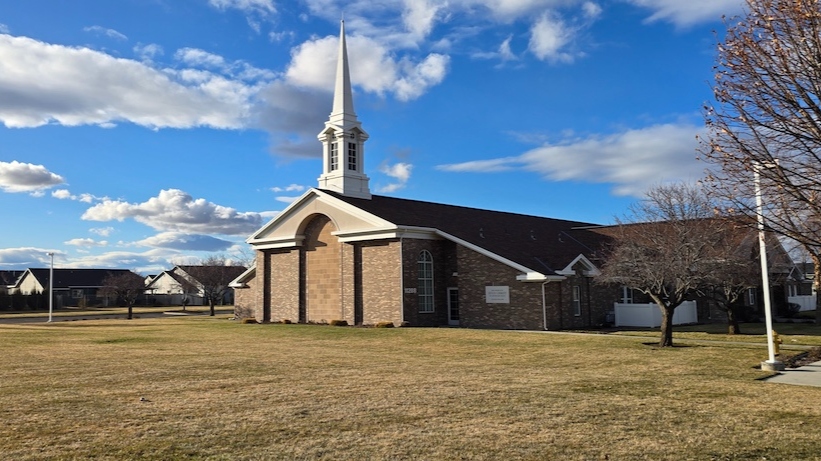
For unmarried members between the ages of 18 and 35, the Church maintains Young Single Adult wards. These units focus on the social, spiritual, and community needs of college students and young professionals. While young adults are always welcome in their standard family ward, the locator lets users filter explicitly for YSA units within their broader geographic region.
Non-English and ASL Units
As an international organization, the Church provides services in dozens of languages outside of local host tongues. In large metropolitan areas or regions with substantial immigrant communities, the locator highlights branches and wards conducted entirely in languages such as Spanish, Mandarin, Tongan, Samoan, Korean, or Portuguese. It also lists American Sign Language (ASL) branches or wards with active ASL interpretation services.
Single Adult (36+) Units
In select regions with sufficient population density, the Church organizes units for unmarried adults aged 36 and older. These units provide community support and activities tailored to individuals outside the traditional family-ward or young-adult demographics.
Accessing Local Leadership Details
Another feature hidden in plain sight is leadership contact information. Every ward is led by an unpaid lay minister called a bishop (or branch president for smaller units). If you have questions about local welfare resources, want to arrange a records transfer, or need to verify facility availability for a community event, you do not need to call a corporate headquarters.
The locator provides the direct office telephone contact or dedicated email for the presiding bishopric or branch presidency. It also lists the name of the overarching Stake President, who oversees several congregations in that region.
Best Practices for Using Church Maps
To avoid common mistakes when using the system, keep these practical tips in mind:
- Enter complete street addresses: Searching merely by city or postal code will show you buildings in that area, but it will not reliably tell you which congregation covers a specific home. Always type the full street address for boundary determination.
- Watch for annual schedule rotations: Wards sharing a building usually rotate their meeting times every January (for example, swapping from a 9:00 AM start to an 11:00 AM start). If you visit during the first two weeks of the new year, double-check the locator, as schedules may have shifted recently.
- Use the Member Tools mobile app: While the web locator works on any browser, members can access identical mapping functionality offline via the official Member Tools application on iOS and Android.
More Than Just Coordinates
The LDS Church locator is not merely a digital roadmap; it is a live snapshot of a global, highly organized lay-led community. By looking past the map coordinates and examining boundaries, start times, unit types, and leadership contacts, you can navigate your local Latter-day Saint community with clarity and confidence.