LDS Church Locator: Unveiling Myths and Realities
When individuals move to a new neighborhood, look for community support, or simply seek to understand their religious neighbors, finding a local house of worship is often the first step. For those searching for congregations of The Church of Jesus Christ of Latter-day Saints, the official tool for this task is widely known as the LDS Church Locator. However, navigating online mapping tools and religious directories can sometimes lead to confusion. Misconceptions about accessibility, visitor policies, and the types of buildings listed online are surprisingly common.
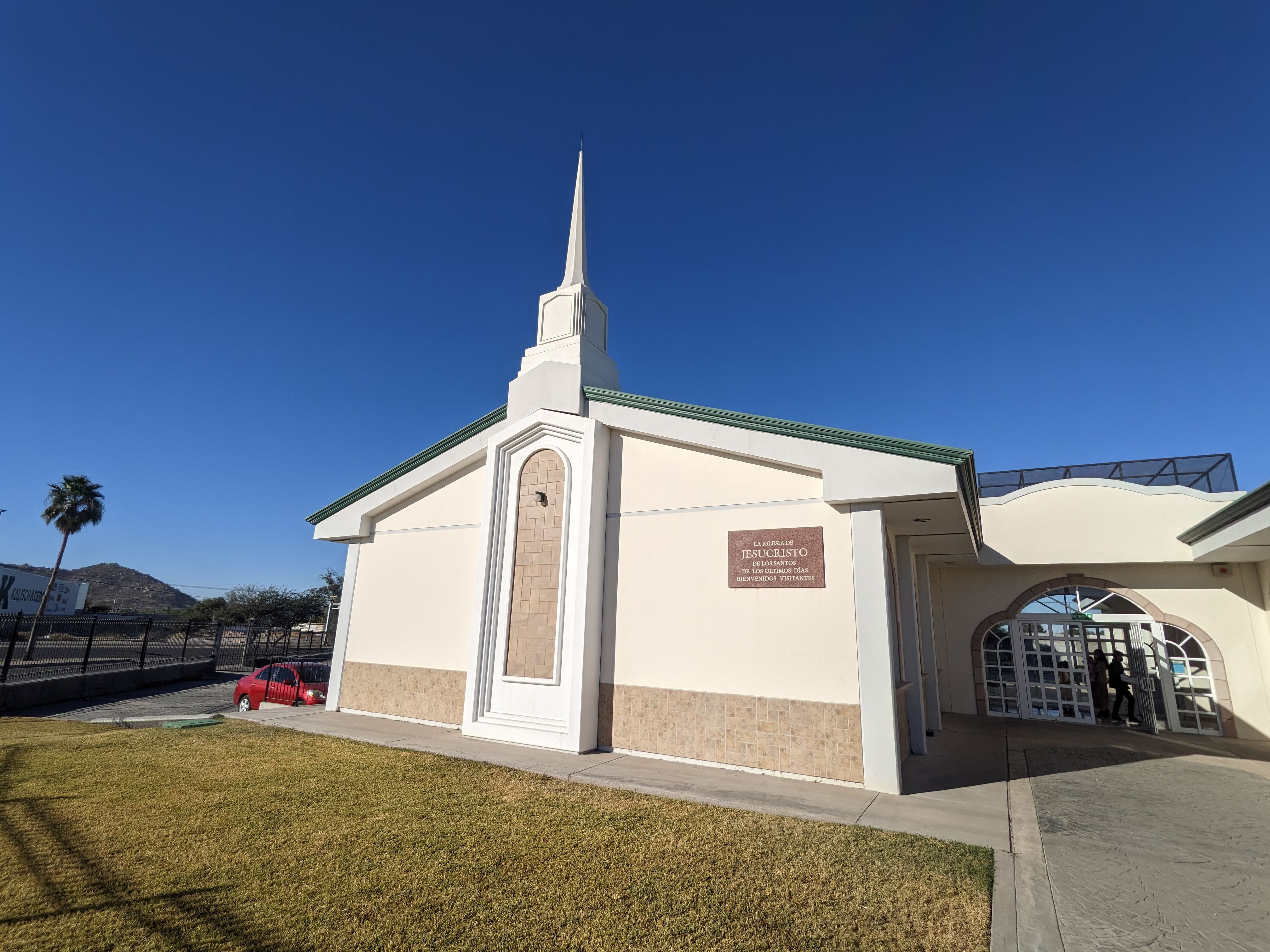
Understanding how to effectively use the LDS Church Locator requires looking past internet rumors and focusing on how these directories actually function. This guide uncovers the realities of finding a Latter-day Saint meetinghouse, separates fact from fiction, and offers practical steps for attending your first Sunday service.
Understanding the LDS Church Locator
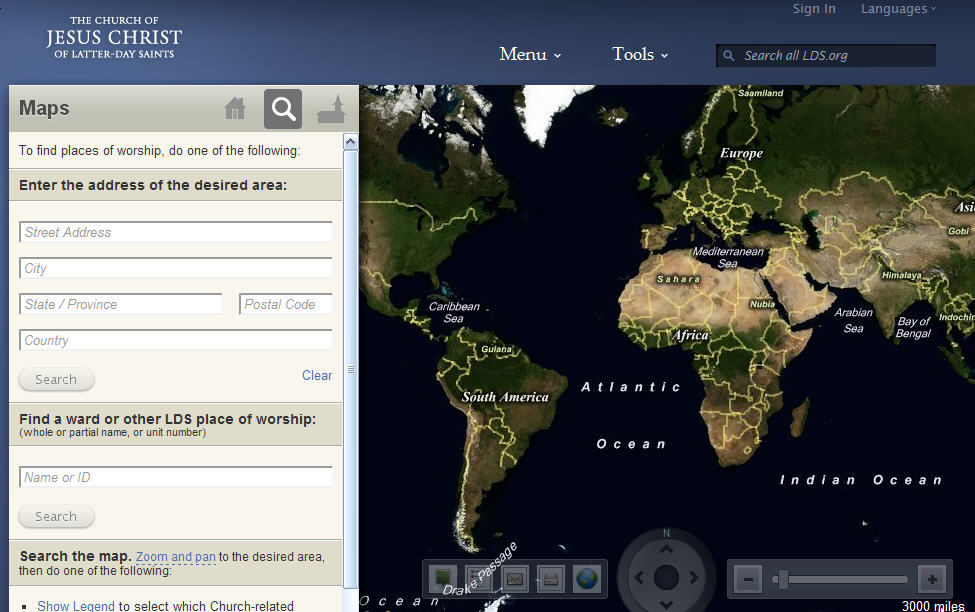
At its core, the official locator tool—housed on websites like ChurchofJesusChrist.org—is designed to connect individuals with the nearest local congregation based on geographical boundaries. Unlike general map applications that only show physical addresses, religious locators often organize buildings by ecclesiastical boundaries known as wards and stakes.
When you input a zip code or physical address into the directory, the system cross-references your location with the specific ward boundary you reside within. This ensures that members know exactly where they are assigned to worship. However, this feature frequently leads to confusion for visitors who assume they can only attend the building assigned to their specific street address.
Debunking Common Myths About Latter-day Saint Meetinghouses
Because the inner workings of different religious organizations can seem opaque to outsiders, several myths have developed around Latter-day Saint buildings and how they are listed online.
Myth 1: Visitors Are Only Allowed in Specific Buildings
One of the most persistent myths is that non-members—or even members living outside a specific boundary—are barred from entering certain chapels. In reality, Sunday worship services are open to the general public. While the directory points you to your assigned neighborhood congregation, you are legally and culturally welcome to visit any meetinghouse worldwide.
Myth 2: Temples and Chapels Are the Same Thing
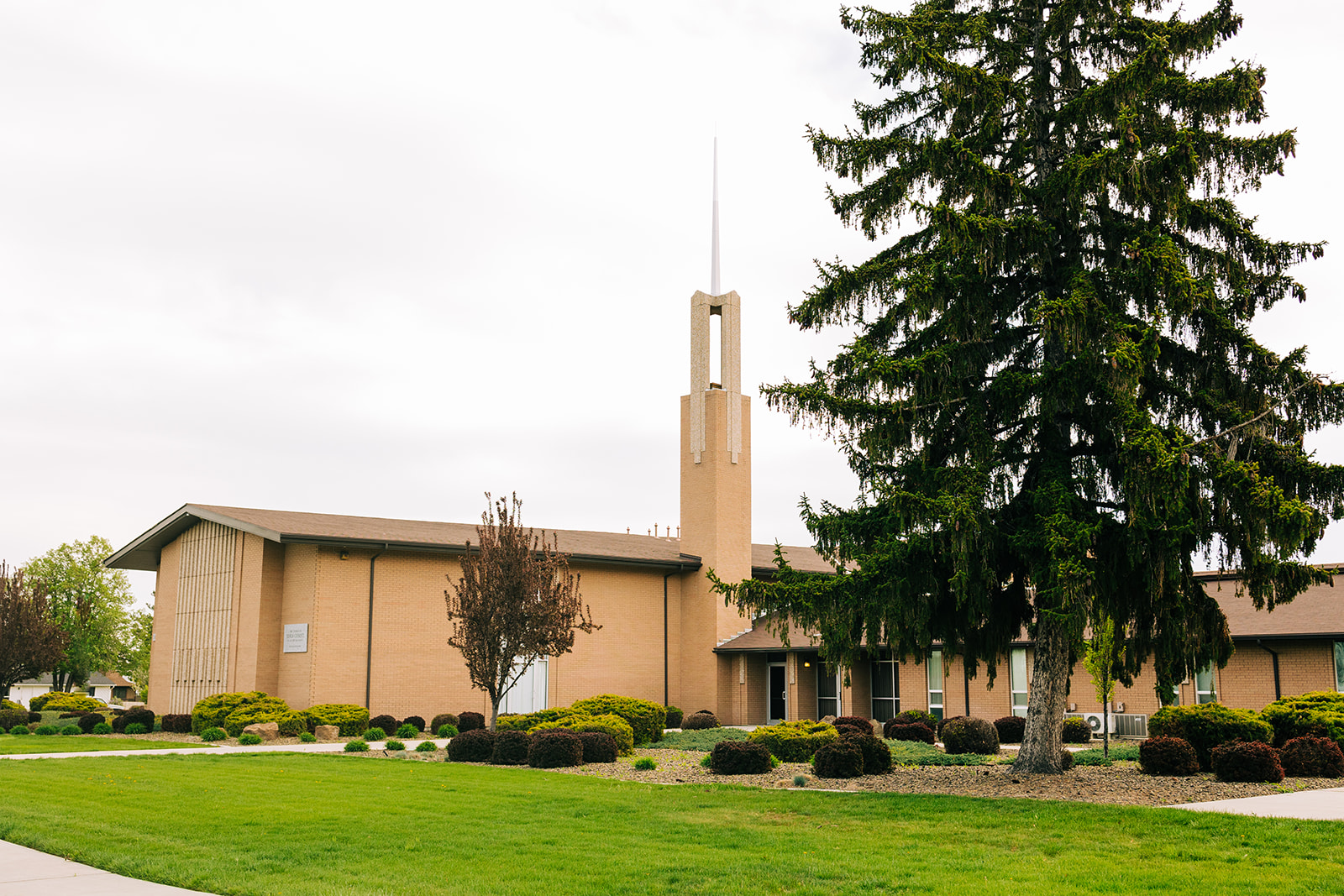
A frequent point of confusion for those using mapping tools is the distinction between a local meetinghouse (chapel) and a temple. The locator tool lists both, but they serve entirely different purposes:
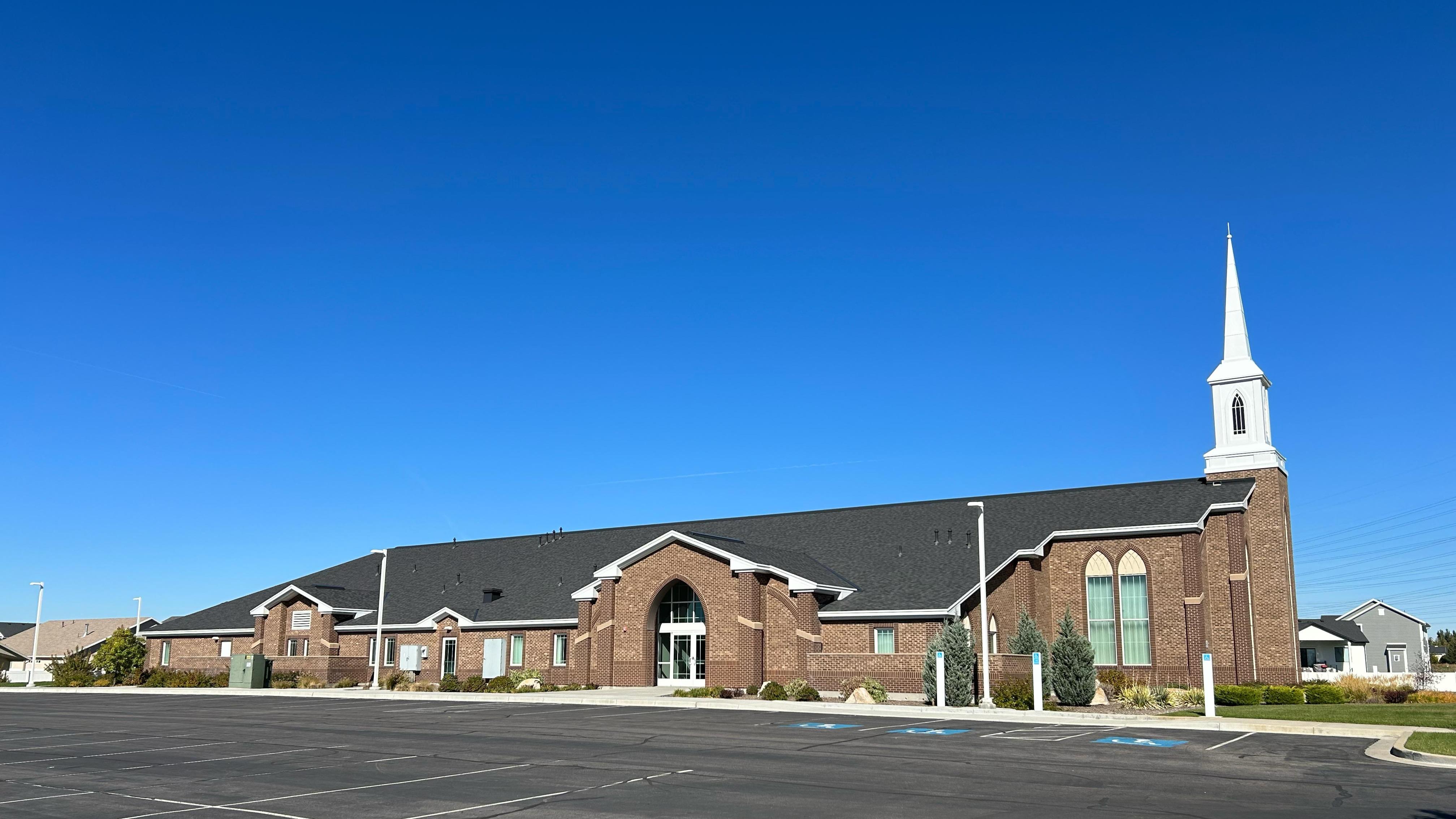
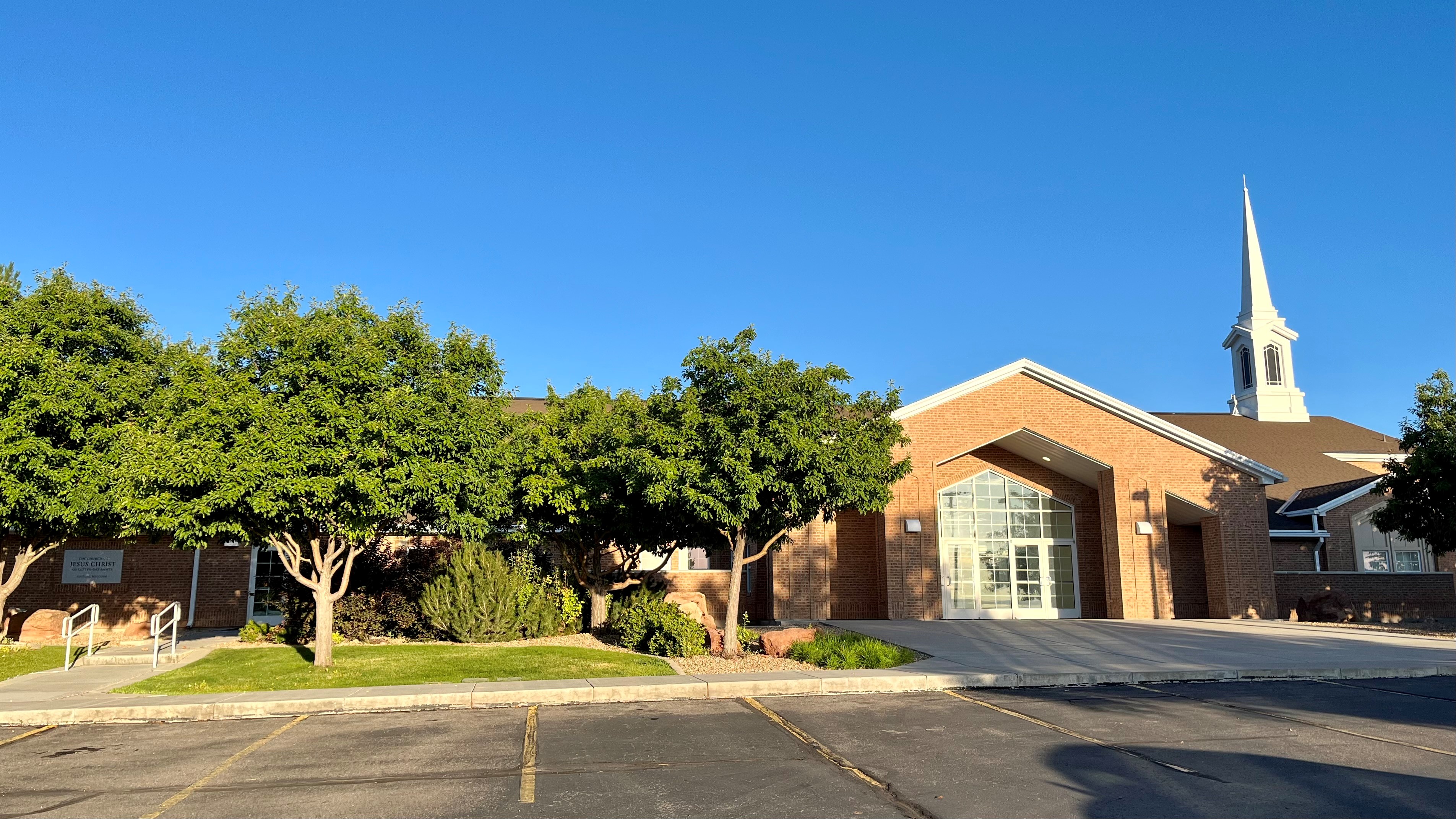
- Meetinghouses: These are local neighborhood chapels where weekly Sunday services, youth activities, and weekday meetings take place. These are open to everyone.
- Temples: These are sacred, monumental structures dedicated to performing higher sacraments, such as marriages and baptisms for the dead. Temples are closed on Sundays and require a specific ecclesiastical recommendation (temple recommend) for entry after their initial open house phase.
Myth 3: The Locator Requires an Account or Personal Information
Some users hesitate to use official religious locators out of fear that they will be forced to create an account, submit sensitive personal data, or invite immediate door-to-door visits. The truth is that searching for a building requires nothing more than a zip code or city name. You can anonymously look up meeting times and addresses without creating a user profile.
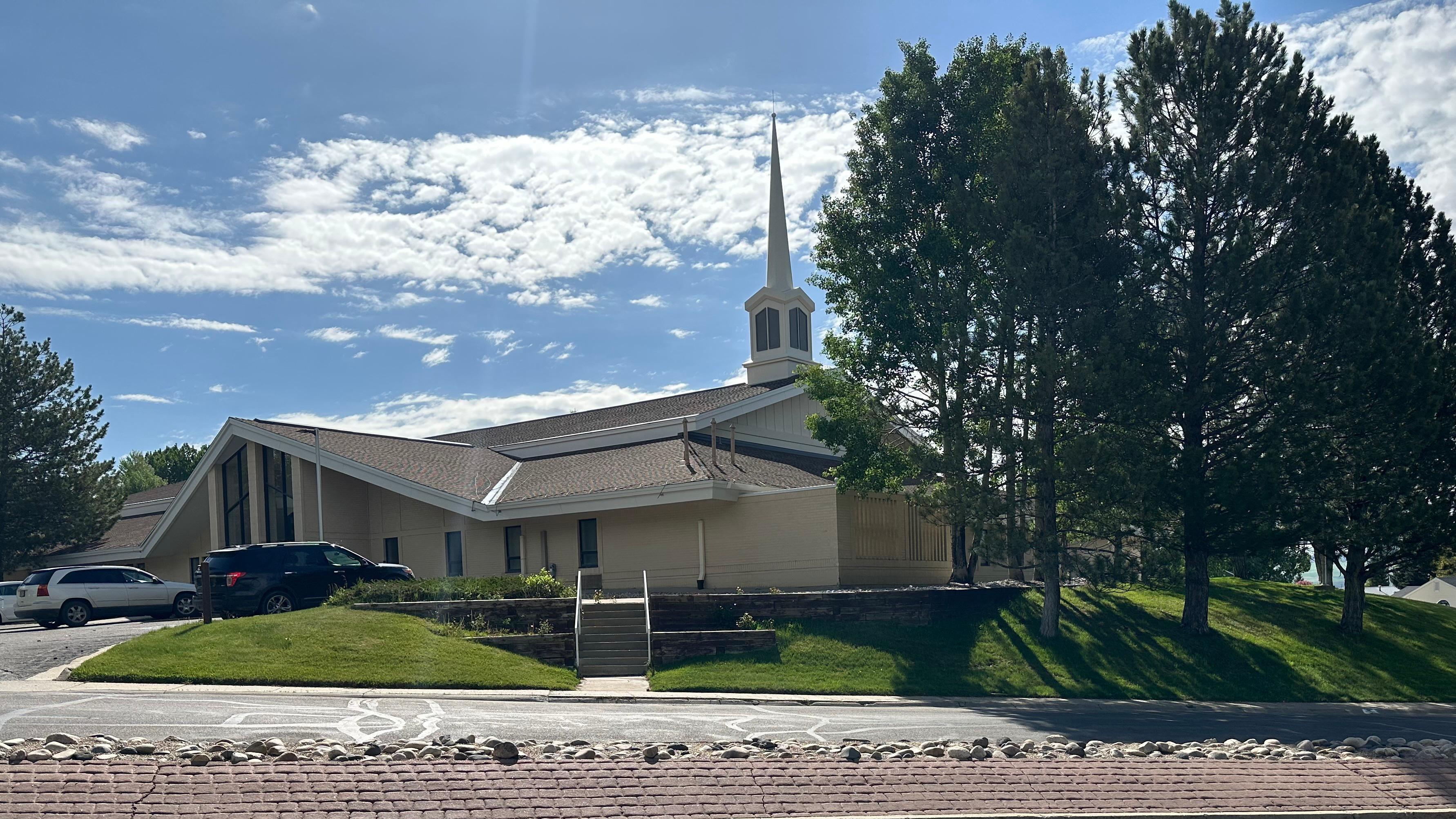
The Realities of Attending a Local Service
Once you use the directory to find a building, what should you actually expect when you walk through the doors? Knowing the operational realities of these spaces helps ease any first-time anxiety.
Standard Meeting Times
Most Latter-day Saint congregations follow a standard two-hour Sunday block. This usually includes a one-hour sacrament meeting focused on prayer, hymns, and partaking of the sacrament (communion), followed by a rotating 50-minute class for adults, youth, or children. The directory typically lists the exact start time for your local unit.
No Formal Dress Code Enforcement
While traditional Sunday dress—suits and ties for men, dresses or skirts for women—is common among regular attendees, you will not be turned away for dressing casually. The primary goal of the local congregation is spiritual community, not fashion compliance.
Welcoming Environment
Meetinghouses do not typically employ professional ushers, but local members (often called greeters or ward missionaries) are stationed at the entrances to hand out programs and answer questions. If you are visiting for the first time, simply let someone know, and they will gladly help you find the chapel or classrooms.
Tips for Using Online Mapping Tools Effectively
If you are planning a visit or trying to locate a building while traveling, keep these practical tips in mind:
- Cross-reference with standard maps: Sometimes church directory addresses can be slightly outdated or refer to a cultural hall entrance rather than the main parking lot. Plug the address into a standard mapping app to check traffic and parking layouts.
- Check for schedule updates: Holiday weekends, local conferences, or building renovations can temporarily alter meeting times or locations. Look for a phone number or contact email provided in the directory if you are traveling from afar.
- Look for midweek activity listings: Beyond Sunday worship, buildings host youth groups, relief society activities, and sports nights. The locator or local bulletin can help you identify these community events.
Conclusion
Navigating religious directories doesn't have to be intimidating. While the official locator is primarily designed to organize church administration and boundary assignments, it remains a powerful, free tool for anyone looking to connect with a local congregation. By separating the myths of restricted access from the welcoming reality of open Sunday services, you can approach your local Latter-day Saint meetinghouse with confidence and clarity.