LDS Meetinghouse: The Unexpected Visitors
For millions of members of The Church of Jesus Christ of Latter-day Saints, Sunday mornings follow a comforting, highly predictable routine. Families arrive in their Sunday best, prelude music plays softly from the chapel organ, and the sacrament is passed in quiet reverence. However, because every LDS meetinghouse serves as a bustling hub for both worship and community life, things do not always go according to script. Over the years, congregations worldwide have found themselves sharing their sacred spaces with surprising guests—ranging from bewildered wildlife to notable historical figures and local neighbors seeking shelter.

The Architecture That Invites the Unexpected
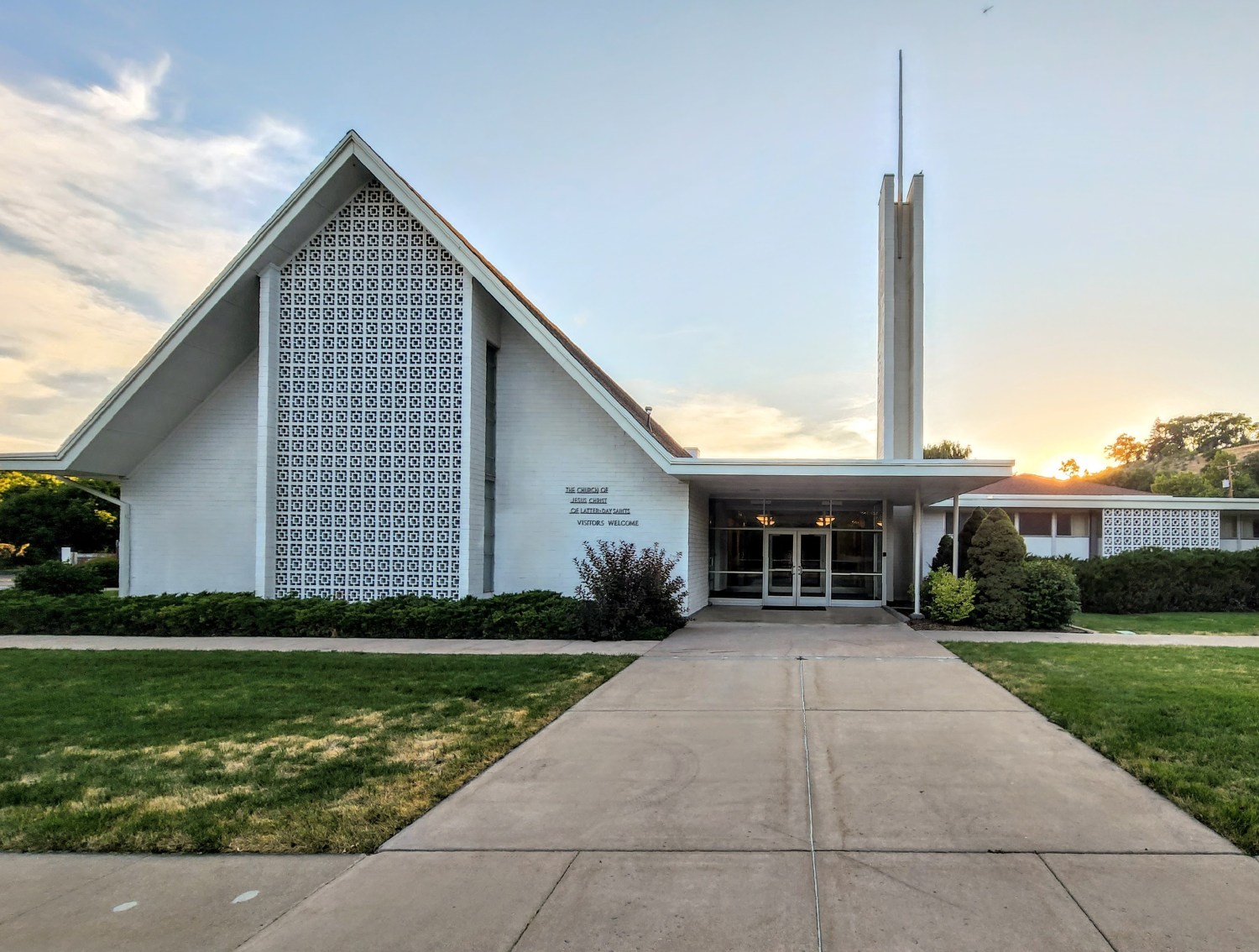
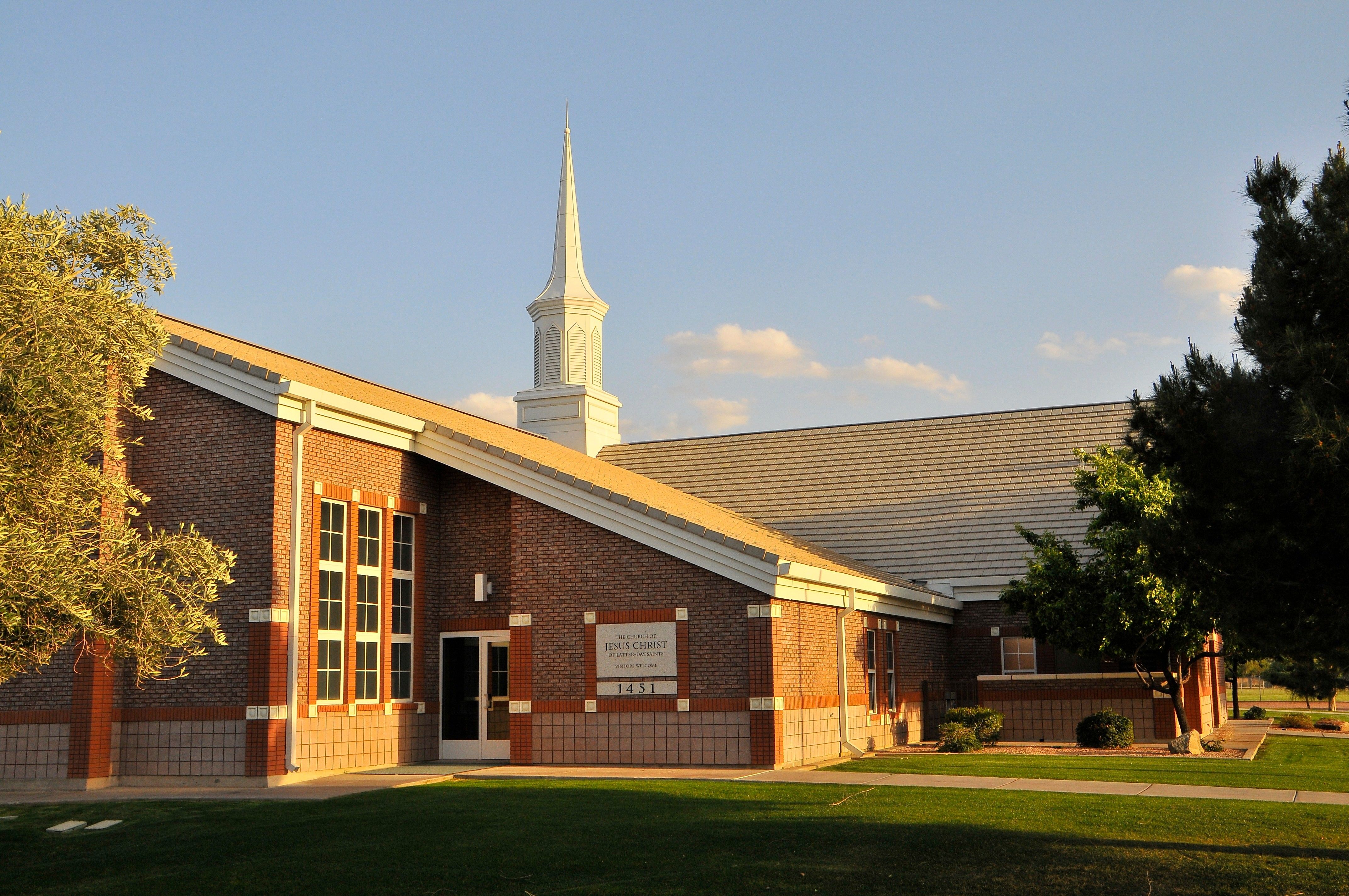
To understand why these chapels often attract unusual drop-ins, it helps to understand their physical footprint. Meetinghouses are deliberately placed in the heart of residential neighborhoods rather than tucked away on secluded church grounds. They are designed to be open, accessible, and welcoming to the public. With expansive lawns, large parking lots, and open foyers, these buildings naturally intersect with the surrounding environment and the local community in fascinating ways.
Open Doors and Community Hubs
Beyond Sunday worship, meetinghouses host weekday activities, youth sports, neighborhood blood drives, and emergency preparedness staging areas. Because the doors are frequently unlocked for community events, the boundary between the outside world and the chapel can occasionally blur. This openness has led to heartwarming, humorous, and sometimes startling encounters that members talk about for decades.
Wildlife Intrusion: When Nature Intervenes
One of the most common categories of unexpected visitors doesn't hold a driver's license or wear a Sunday suit. Because many meetinghouses are built in expanding suburban or rural fringes, local wildlife occasionally mistakes the foyer for a forest.
- The Lost Deer: In suburban Utah and Idaho, it is not entirely unheard for a juvenile deer to crash through a ground-floor cultural hall window, dazzled by the bright interior lights.
- Avian Explorers: Pigeons and stray sparrows regularly find their way into high-ceilinged chapels during maintenance work, occasionally providing an unexpected flying distraction during a speaker's sacrament meeting remarks.
- Raccoons and Skunks: Seeking warmth in the winter or shelter from heavy rain, small mammals have occasionally set off motion-activated security alarms, leading local bishops on midnight investigations with the police.
Human Visitors: From Lost Travelers to VIPs
Human drop-ins provide a different kind of surprise. While missionaries are trained to invite investigators, chapels routinely attract individuals who wander in completely by chance.
Video: Ep257: First Americans Museum Returns LDS Church's 2 Million Dollar Donation

The Good Samaritans and Stranded Travelers
Meetinghouses are well-known landmarks in many towns. It is remarkably common for a stranded motorist with a dead car battery, a lost hiker seeking a phone charger, or a traveler caught in a sudden flash flood to walk through the front doors. Time and time again, bishops and Relief Society leaders have put aside scheduled meetings to feed, comfort, and assist travelers who happened to pick the right building on the right day.
Unexpected Dignitaries and Politicians
During election seasons, local and national politicians frequently visit neighborhood chapels to shake hands and introduce themselves to constituents. Because LDS congregations place a heavy emphasis on civic engagement, these visits are generally welcomed with polite hospitality. Furthermore, because the Church frequently partners with global humanitarian organizations, visiting diplomats, interfaith leaders, and charity directors often tour meetinghouses to study local welfare operations and emergency response systems.
Cultural Misunderstandings and Curious Neighbors
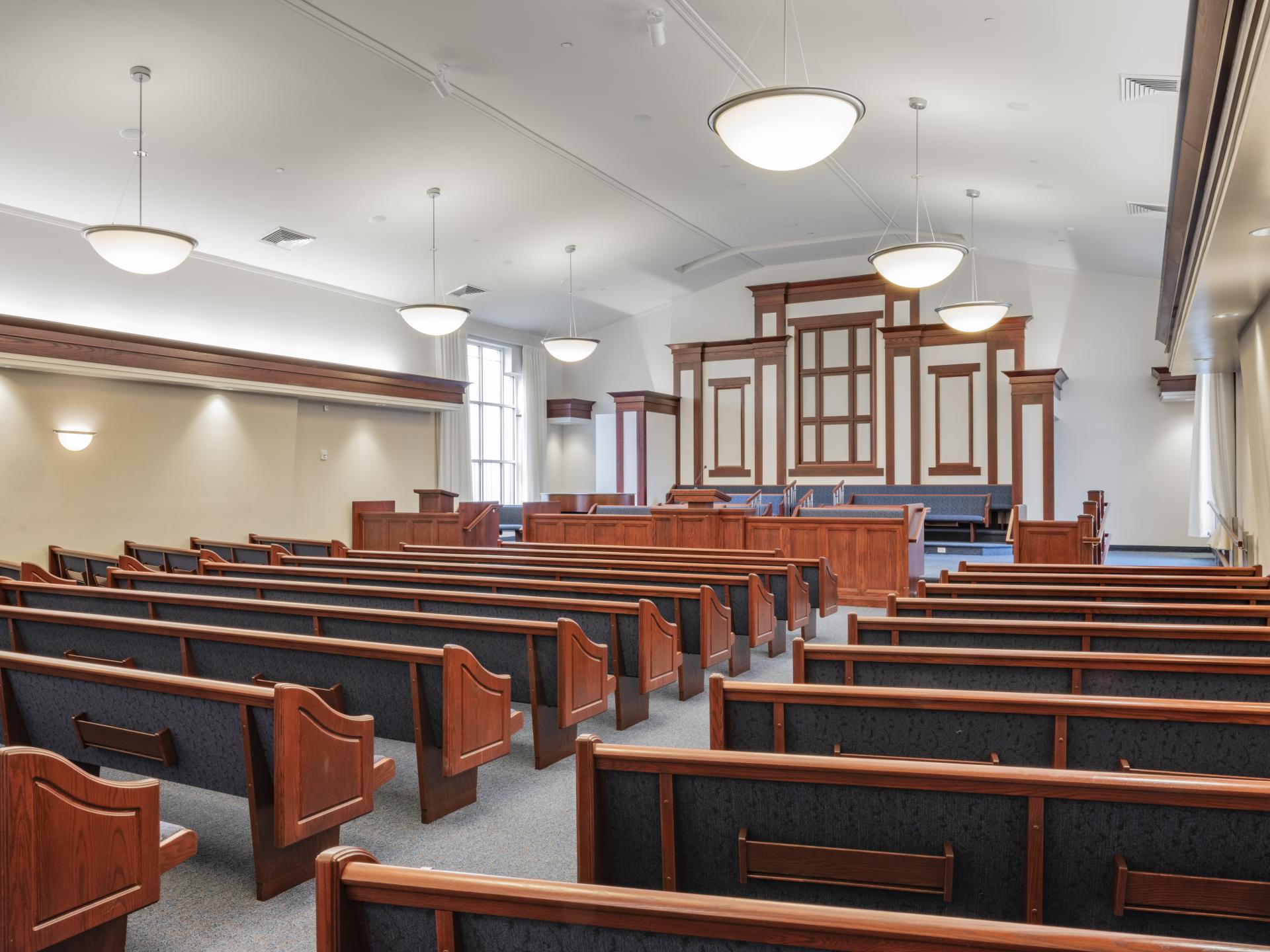
Because the interior layout of an LDS meetinghouse differs from traditional Gothic or liturgical churches—featuring a basketball court (cultural hall) alongside the chapel—first-time human visitors are often profoundly surprised by what they find inside.
It is not unusual for neighborhood children, playing hide-and-seek, to accidentally wander into a Tuesday night mutual activity or a Primary rehearsal. Instead of being turned away, these curious kids are usually handed a treat from the ward budget and welcomed by friendly leaders, turning a trespassing incident into a positive community outreach moment.
Lasting Impressions of Open Doors
Ultimately, these unexpected interruptions remind congregations of the primary purpose of their physical structures. An LDS meetinghouse is not meant to be a heavily guarded fortress of solitude; it is designed to be a living, breathing part of the neighborhood. Whether it is a startled wild turkey wandering down the aisle or a traveler looking for a warm cup of water, these unscripted moments humanize the worship experience and build bridges between church members and the broader world around them.