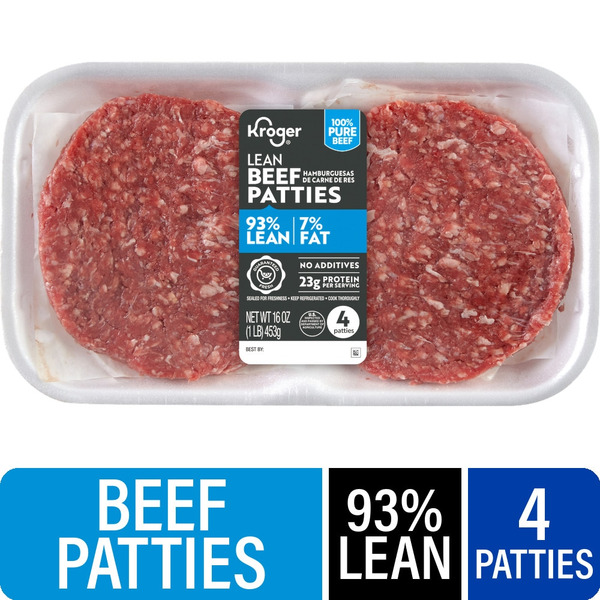
Leaked Lean Beef Patty Hidden Costs Explained
Introduction

In the digital age, food trends move at lightning speed. Recently, social media feeds have been dominated by sensationalized reports surrounding a leaked lean beef patty, transforming a simple fast-food component into a viral obsession. Consumers are rushing to try what they believe is a revolutionary, health-conscious alternative to traditional burgers. However, beneath the hype of leaner meat and modern menu engineering lies a complex web of consequences.
When a product like the leaked lean beef patty captures public attention, the conversation usually centers on calorie counts and protein macros. But savvy consumers need to look deeper. From processing methods to ecological footprints and long-term economic pricing, this trend carries hidden costs that go far beyond what you pay at the drive-thru window or see on your smartphone screen.
Understanding the Leaked Lean Beef Patty Phenomenon
To understand why this specific item generated so much buzz, we have to look at how modern food marketing works. The term 'leaked' implies exclusivity, industrial espionage, or an early peek behind the curtain of top-secret culinary laboratories. Whether the leak was accidental or a calculated marketing stunt, it successfully positioned the lean beef patty as the holy grail for fitness enthusiasts and casual diners alike.
Traditional fast-food burgers often struggle with a poor nutritional reputation due to high saturated fat and sodium levels. By introducing a lean alternative, chains aim to capture the massive health-conscious demographic. Yet, achieving a high-protein, low-fat patty that still tastes appealing requires specific industrial techniques. These methods often involve heavy processing, precise fat-to-lean ratios, and specialized binders that consumers rarely think about when ordering lunch.
The Hidden Health and Nutritional Costs
At first glance, opting for a leaner cut of beef seems like an unquestionable win for your cardiovascular health and daily protein goals. However, the pursuit of leanness in mass-produced beef products can introduce unintended nutritional compromises.
- Increased Sodium Content: When fat is removed from meat, it loses a significant amount of natural flavor and moisture. To compensate, manufacturers frequently increase sodium levels to make the product palatable.
- Heavy Processing: Highly refined or restructured beef patties often undergo extensive mechanical tenderization and mixing, altering the natural structure of the protein.
- Additives and Binders: To maintain texture and juiciness without natural animal fat, producers may rely on starches, soy protein concentrates, or chemical phosphates.
While the macronutrient breakdown on paper looks favorable, the quality of the ingredients matters immensely. Relying on ultra-processed iterations of beef—even lean ones—as a dietary staple can have long-term implications for gut health and systemic inflammation.
Environmental and Agricultural Realities
The conversation around beef production is already fraught with environmental concerns, and the lean beef patty trend brings these issues into sharper focus. Cattle farming is resource-intensive, requiring vast amounts of land, water, and feed. When the market demands specific grades of lean beef, the supply chain shifts to accommodate these precise specifications.
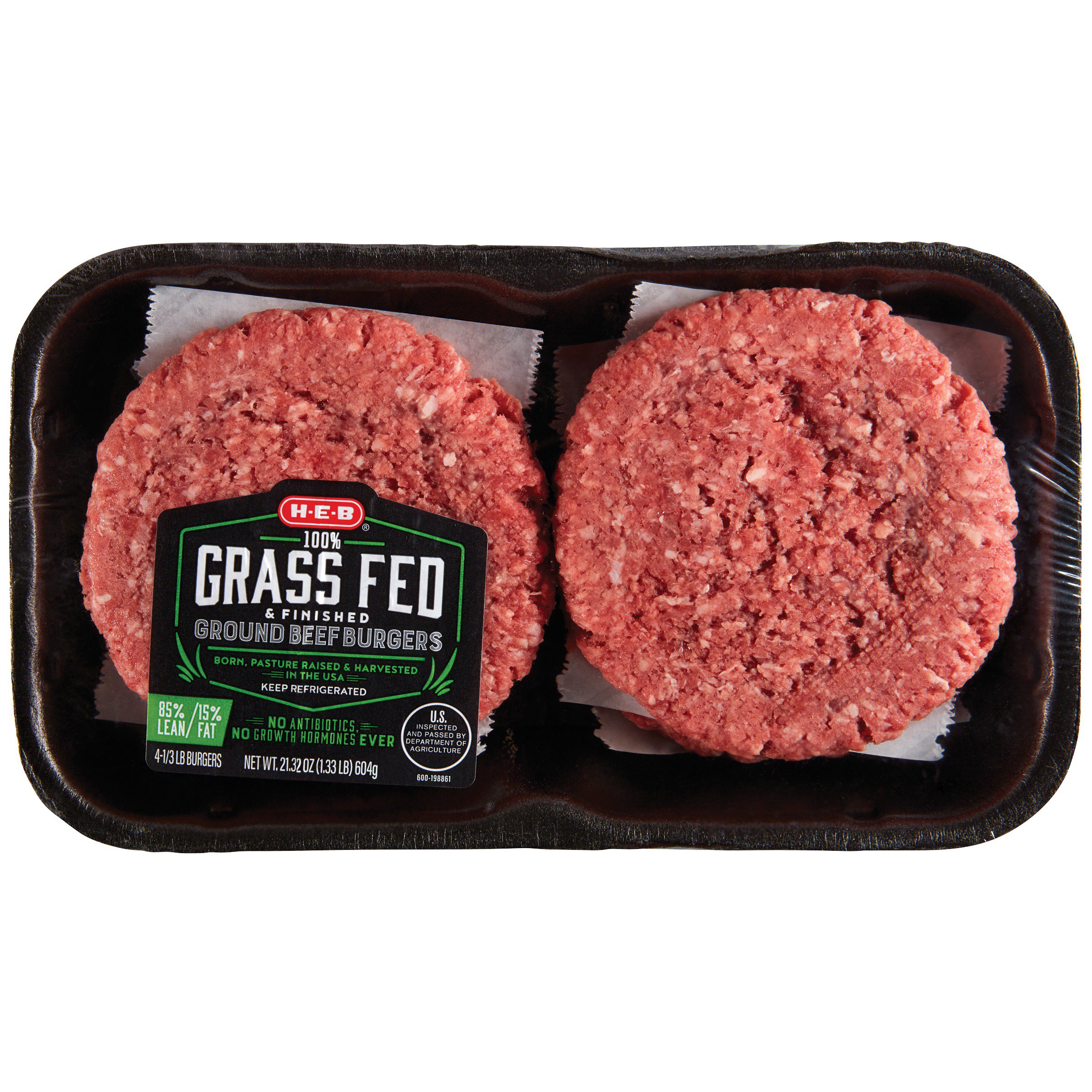
Producing leaner cattle often requires longer feeding timelines or specific grain-and-forage combinations to optimize muscle mass over fat accumulation. This can increase the overall carbon footprint per pound of consumable protein. Furthermore, the industrial packaging required to distribute these specialized patties globally contributes to single-use plastic waste. The hidden environmental toll is paid in greenhouse gas emissions and resource depletion, costs that do not appear on any restaurant receipt.
Economic Impacts on the Consumer
Specialty items marketed as premium, healthy, or exclusive almost always command a higher price tag. The leaked lean beef patty is no exception. As chains roll out these items to capitalize on viral hype, consumers often pay a significant markup compared to traditional standard burgers.
Furthermore, the reliance on fast food as a primary protein source—even a 'lean' one—can strain personal budgets over time. When you factor in the frequent purchases driven by social media FOMO (fear of missing out), the financial leak from your wallet can be substantial. True nutritional economy involves whole foods prepared at home, which offer superior micronutrient density at a fraction of the cost of trendy commercial offerings.
Navigating Food Hype Wisely
Viral food trends are designed to capture your attention and bypass your critical thinking. When a new product like the leaked lean beef patty dominates your feed, it is essential to pause and evaluate the broader picture. Ask yourself a few key questions before jumping on the bandwagon:
- Is the product genuinely healthier, or is it simply marketed with health-halo buzzwords?
- What processing steps were required to achieve this specific texture or nutritional profile?
- Does the price reflect the actual value of the food, or are you paying a premium for marketing hype?
By maintaining a healthy skepticism toward viral food leaks, you protect both your personal wellness and your finances.
Conclusion
The obsession over the leaked lean beef patty proves that food culture and digital media are more intertwined than ever. While enjoying a burger as an occasional treat is completely fine, treating a heavily processed commercial product as a health food is a risky proposition. By looking past the initial hype, we can recognize that the true costs—spanning nutritional compromises, environmental strain, and inflated prices—are paid long after the social media trend fades away. Prioritize whole, minimally processed foods whenever possible, and let viral food leaks remain just a fleeting internet moment.