Leaking Peach Jars – The Science of Soggy Fruits
Few sights are more disappointing to a home canner than watching your hard work turn into a sticky, unappetizing mess. When you pull your jars from the water bath only to discover sticky syrup pooling around the bands and fruit collapsing into limp mush, you are facing leaking peach jars – the science of soggy fruits you didn’t expect! Behind that sticky residue and soft texture lies a fascinating cascade of thermodynamic pressure, cellular collapse, and osmotic shock.
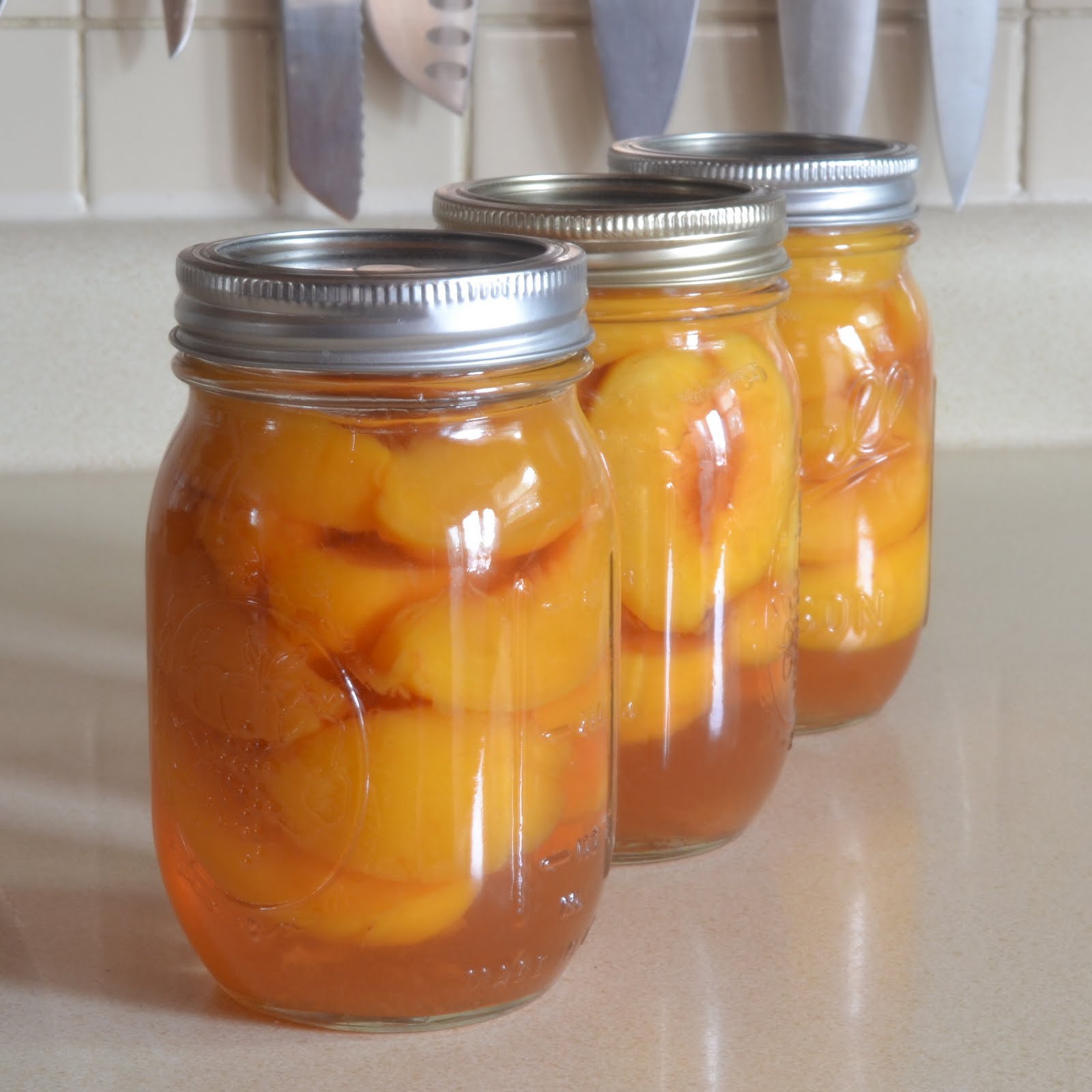
Understanding the exact scientific mechanisms at play will not only solve the mystery of your ruined batch, but also ensure your canned peaches stay firm, vibrant, and safely sealed in future canning sessions.
The Physics of Siphoning: Why Your Peach Jars Leak
When liquid escapes past the lid during or immediately after the canning process, food scientists call it siphoning. Siphoning occurs due to rapid changes in hydrostatic and atmospheric pressure inside and outside the jar.
As jars process in a boiling water bath or steam canner, the contents—fruit, sugar syrup, and residual air—heat up and expand. This expansion drives excess air out past the flexible metal flat lid, an intentional venting mechanism designed to create a hermetic vacuum once the jar cools.
However, liquid siphons out instead of just air under three specific conditions:
- Thermal Shock and Pressure Spikes: If you pull jars out of the boiling bath immediately after the processing timer rings, or if your burner temperature fluctuated wildly during processing, the sudden drop in external pressure causes the liquid inside the jar to boil violently and force its way out under the gasket.
- Inadequate Headspace: Peaches require a strict 1/2-inch headspace. If you overfill the jar, the expanding fruit and boiling syrup have nowhere to go except through the sealing surface.
- Trapped Air Pockets: Peaches are porous. If you do not run a non-metallic bubble tool thoroughly around the interior perimeter, trapped pockets of air expand explosively, pushing liquid upward and out.
Leaking Peach Jars – The Science of Soggy Fruits You Didn’t Expect!
While siphoning explains the sticky mess on the outside of the glass, the sudden deterioration of peach texture into a soggy, stringy mass involves organic chemistry and plant biology.
1. Pectin Degradation and Thermal Breakdown
A peach’s structural firmness depends on its cell walls, primarily held together by structural carbohydrates called pectins (specifically protopectin) and hemicellulose. During ripening, native enzymes convert protopectin into water-soluble pectin, naturally softening the fruit.
When you expose ripe peaches to high canning temperatures, thermal degradation speeds up this breakdown exponentially. Over-processing by even five minutes breaks down the cellular matrix completely. Without intact cell walls to retain internal moisture, the peach flesh collapses, dumping its water into the surrounding syrup and turning soggy.
2. Osmotic Shock: The Sugar Gradient Problem
Osmosis is the net movement of water across a semipermeable membrane from an area of low solute concentration to high solute concentration. The cells of a fresh peach contain natural sugars, minerals, and water.
If you pack peaches into plain water or a very light syrup, water rushes into the peach cells through osmotic pressure, causing the cells to swell, burst, and turn into mush. Conversely, if you use an excessively heavy syrup without preheating the fruit, the high sugar concentration rapidly pulls water out of the cells, causing the fruit to shrivel, float to the top, and lose its structural integrity.
3. The Raw Pack Trap
Peaches packed cold (raw pack) retain substantial intercellular air. When heated in the jar, this air expands, forcing liquid out (siphoning) and shrinking the fruit tissue. The fruit collapses unevenly, absorbing boiling liquid into voids left behind by expanding air, yielding a wet, sponge-like texture instead of a clean, tender bite.

Is It Safe to Eat Peaches from a Leaking Jar?
When syrup escapes a jar, it passes directly over the rubberized sealing compound. This creates significant food safety risks that you must evaluate before moving the jar to your pantry shelf:
- Compromised Seal: Sugary syrup trapped on the rim can prevent the sealing compound from bonding to the glass. Even if the lid appears depressed ("dished"), the seal may fail weeks later as bacteria exploit microscopic gaps in the sugar bridge.
- The 24-Hour Rule: Inspect your jars 12 to 24 hours after processing. Remove the metal rings and gently lift each jar by the edges of the flat lid. If the seal holds firm and no sticky residue remains beneath the gasket, clean the jar threads with a damp cloth and store it.
- Reprocessing or Refrigerating: If the jar did not seal, or if extensive liquid loss left half the fruit exposed above the liquid line, refrigerate the jar immediately and consume the fruit within a week. Alternatively, re-can the peaches within 24 hours using a clean jar, a fresh lid, and adjusted headspace.
How to Prevent Siphoning and Keep Canned Peaches Firm
Preventing soggy fruit and messy jars comes down to controlling heat transfer, pressure, and cellular chemistry. Follow these best practices for pristine results:
Select the Right Variety and Ripeness
Never can overripe or soft peaches. Use firm-ripe freestone peaches (such as Redhaven, Cresthaven, or Glohaven). Clingstone varieties work structurally, but their flesh tears during pitting, accelerating tissue degradation during processing.
Always Use the Hot Pack Method
Hot packing involves gently simmering sliced peaches in syrup for 2 to 3 minutes before ladling them into hot jars. This brief cooking step accomplishes three essential tasks:
- It expels trapped intercellular air, preventing dramatic volume shifts inside the jar.
- It pre-shrinks the fruit, allowing you to fit more slices securely into the jar without crowding.
- It arrests destructive plant enzymes before the jars enter the water bath.
Incorporate Calcium Chloride (Pickle Crisp)
Commercial canners rely on calcium to maintain crispness in fruit and vegetables. Calcium ions bind with pectic acid in the fruit’s cell walls to form insoluble calcium pectate, reinforcing the cell wall against heat breakdown. Adding 1/8 teaspoon of food-grade calcium chloride (such as Ball Pickle Crisp) per quart jar helps peaches retain a pleasant, distinct bite.
Execute a 5-Minute Cool-Down Rest
The most effective defense against liquid siphoning is thermal equalization. When your processing timer finishes, turn off the heat source, remove the canner lid, and let the jars sit undisturbed in the hot water for 5 full minutes before lifting them out. This equalization window allows boiling inside the jar to subside naturally, preventing sudden pressure differentials that drive syrup past the gasket.
Achieving Pantry-Worthy Results
Leaking jars and soggy fruit do not have to be an inevitable byproduct of peach season. By respecting the thermodynamic forces of headspace and cooling, balancing syrup density with fruit osmolarity, and hot-packing firm-ripe fruit, you can produce jars of golden, sun-ripened peaches that hold their shape and stay sealed all winter long.