Lennox Alert Code 434: Causes and How to Fix It
Finding your home too hot or too cold is frustrating enough, but seeing an unfamiliar error flashing on your thermostat only adds to the stress. If you own a modern Lennox HVAC system, you might encounter the Lennox alert code 434 during a routine system check or when the equipment fails to operate properly.
Understanding what this error means is the first step toward getting your HVAC system back online. While some Lennox error codes require an immediate technician visit, others point to simple maintenance issues you can address on your own. This guide breaks down everything you need to know about code 434, why it happens, and how to safely resolve it.
What Does Lennox Alert Code 434 Mean?
In the diagnostic language of Lennox communicating thermostats and control boards (such as the S30 Ultra Smart Thermostat or Lennox iComfort systems), alert codes are designed to pinpoint specific component failures or operational faults.
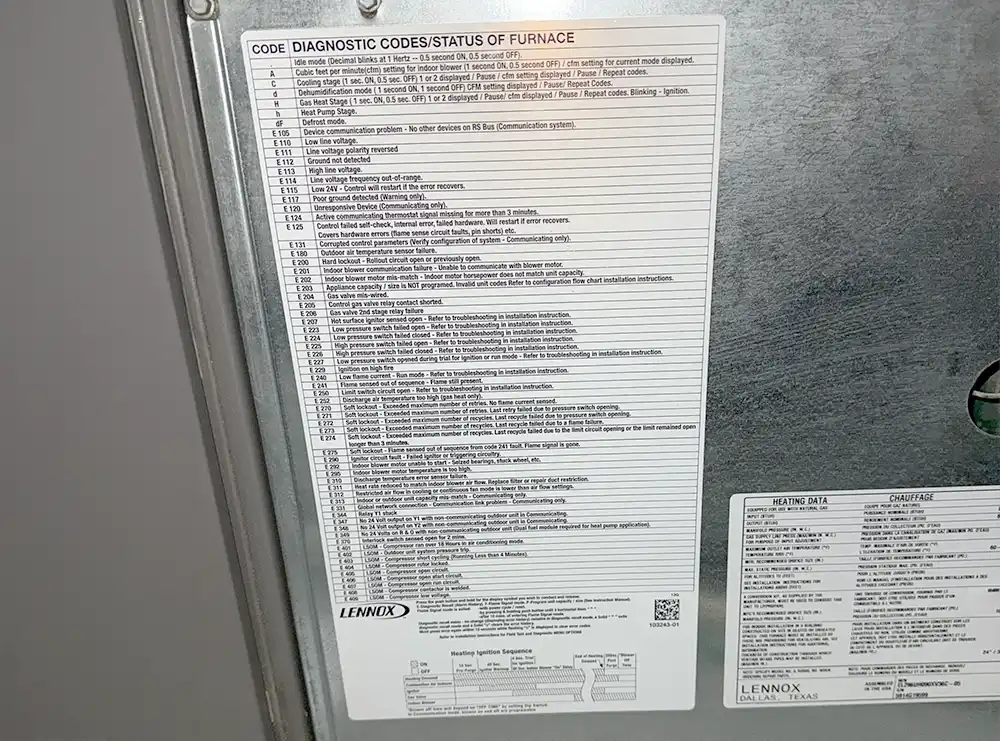
Specifically, Lennox alert code 434 generally relates to a communication or configuration issue, often tied to outdoor unit data, sensor readings, or inverter communication depending on your exact equipment model (such as a high-efficiency heat pump or modulating air conditioner). When the indoor control board loses reliable data transmission with the outdoor unit or detects an out-of-bounds parameter, it triggers code 434 to protect the system from potential damage.
Common Symptoms Accompanying Code 434
When this alert appears on your display, you may notice several accompanying symptoms:
- The heating or cooling cycle stops abruptly or fails to start.
- The outdoor fan or compressor refuses to turn on, even though the indoor blower might run.
- The thermostat screen displays a persistent warning message that prevents normal program scheduling.
- The system frequently cycles on and off (short-cycling) before locking out completely.
Primary Causes of Lennox Alert Code 434
Before attempting any repairs, it helps to understand what triggers this specific diagnostic code. Because modern HVAC systems rely heavily on low-voltage wiring and sensitive electronics, the root cause can range from a loose wire to a failing control board.
1. Loose or Corroded Communication Wiring
Lennox communicating systems rely on a dedicated data bus (typically terminals i+, i-, R, and C) to pass real-time operational data between the indoor furnace/air handler and the outdoor condenser. If a wire is loose at the terminal block, damaged by landscaping equipment, or suffering from corrosion due to moisture, communication breaks down, resulting in code 434.
2. Power Surges or Electrical Glitches
Power fluctuations, lightning storms, or sudden brownouts can temporarily scramble the memory of the integrated control board (ICB) or outdoor inverter board. When the microprocessors fail to handshake properly upon reboot, the system flags a communication fault.
3. Software or Firmware Mismatch
If components were recently replaced—such as an outdoor control module or an indoor thermostat—without updating the firmware across all connected devices, a compatibility conflict can occur. The system registers this mismatch as an error code.
4. Failing Outdoor Inverter or Control Board
In variable-capacity Lennox systems (like XC20, XC25, XP20, or XP25 units), the outdoor unit houses a complex inverter board that manages compressor speeds. If this board overheats, fails internally, or loses its 24V power supply, the indoor unit will lose communication and throw code 434.
How to Troubleshoot and Fix Lennox Alert Code 434
Safety always comes first when working around HVAC equipment. High-voltage electricity is present inside both the indoor unit and the outdoor condenser. If you are ever uncomfortable performing a step, contact a licensed HVAC professional.
Step 1: Perform a System Power Reset
Many temporary electronic glitches can be cleared with a simple power cycle. This forces the system components to reboot and re-establish their communication handshake.
- Turn off the HVAC system at your smart thermostat.
- Locate the indoor furnace or air handler power switch and turn it off. Alternatively, switch off the dedicated circuit breaker for the indoor unit in your main electrical panel.
- Locate the outdoor unit disconnect box (usually mounted on the exterior wall near the condenser) and pull the paddle or turn the switch to the "Off" position.
- Wait a full 5 to 10 minutes to allow all capacitors to fully discharge.
- Turn the outdoor disconnect back on, followed by the indoor power switch or breaker.
- Return to your thermostat and check if code 434 has cleared.
Step 2: Inspect the Wiring Connections
If the error returns immediately after a reset, check the physical connections between your units.
- Turn off power to the system before opening any access panels.
- Check the thermostat sub-base on the wall to ensure wires are securely clamped into the R, C, i+, and i- terminals.
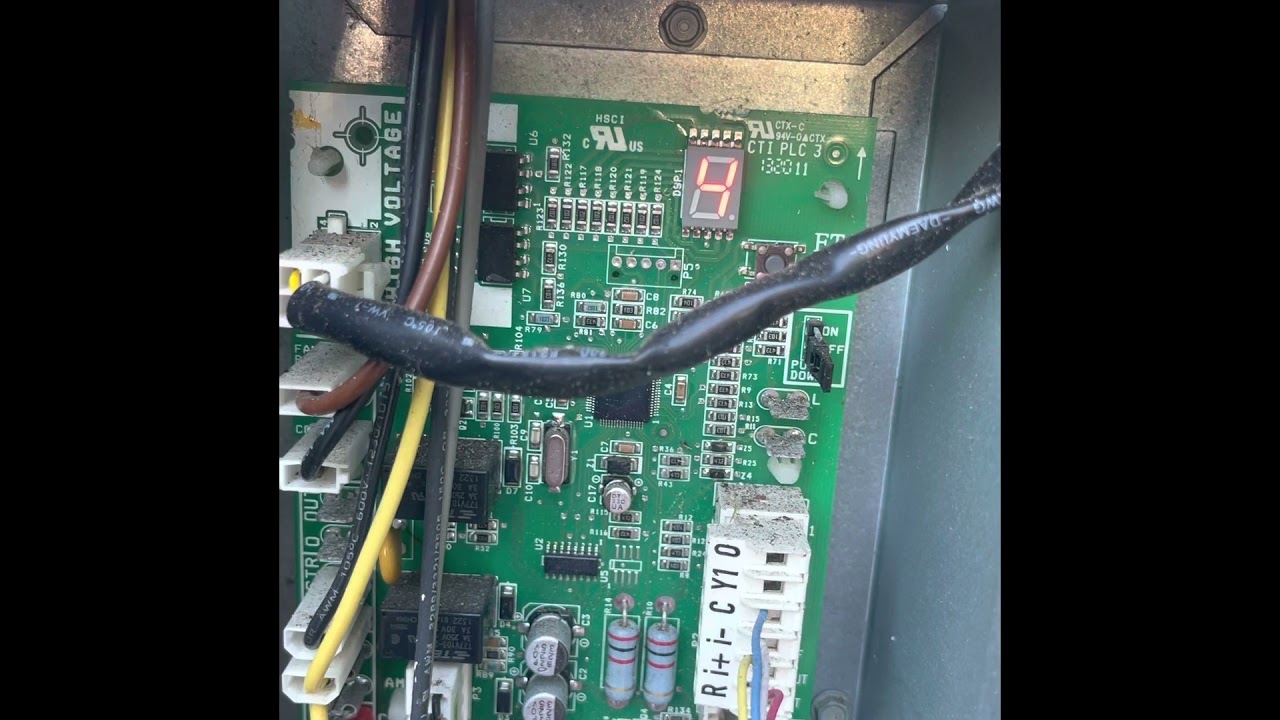
- Inspect the control board compartment inside the indoor unit. Look for loose thermostat or communication wires.
- Check the low-voltage wiring connections inside the outdoor unit control box. Look for signs of insect infestation, chewed wires, water damage, or corrosion.
Step 3: Check for Blown Fuses on the Control Board
Indoor control boards and outdoor inverter boards usually feature a small automotive-style blade fuse (typically 3-amp or 5-amp) that protects the low-voltage transformer from short circuits. If a wire rubbed against sheet metal and shorted out, this fuse will blow, cutting power to communication circuits. Look at the board for a burnt fuse and replace it with the exact same amperage if necessary.
When to Call a Professional HVAC Technician
If you have power-cycled the system, verified that all wiring terminals are tight, and inspected the fuses without resolving Lennox alert code 434, the problem likely requires advanced diagnostic tools.
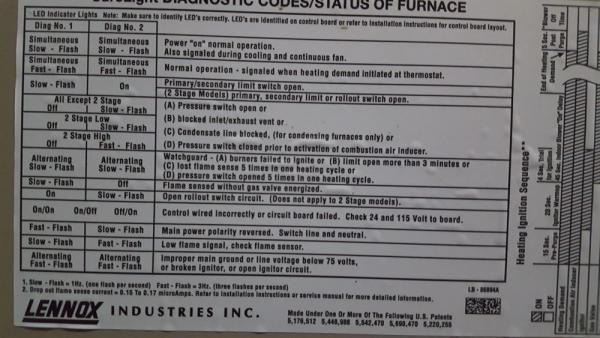
A certified technician will use a multimeter to test voltage drops across the communication lines, check inverter status indicator lights (LED flash codes) on the outdoor unit, and determine whether the indoor control board or outdoor inverter module has suffered permanent component failure. Replacing high-end communicating boards requires precise configuration and setup to match your specific system capacity.
Preventing Future Lennox Error Codes
While not all error codes can be avoided, regular preventive maintenance drastically reduces the likelihood of sudden system faults:
- Install a Surge Protector: Protect your expensive communicating HVAC electronics from lightning and grid fluctuations by installing a whole-house surge protector or a dedicated HVAC surge suppressor.
- Schedule Annual Tune-Ups: Have a professional technician inspect electrical connections, clean outdoor condenser coils, and check refrigerant pressures every spring and fall.
- Keep the Outdoor Unit Clear: Ensure at least two feet of clearance around your outdoor condenser so it receives adequate airflow and ventilation, preventing overheating of the inverter electronics.