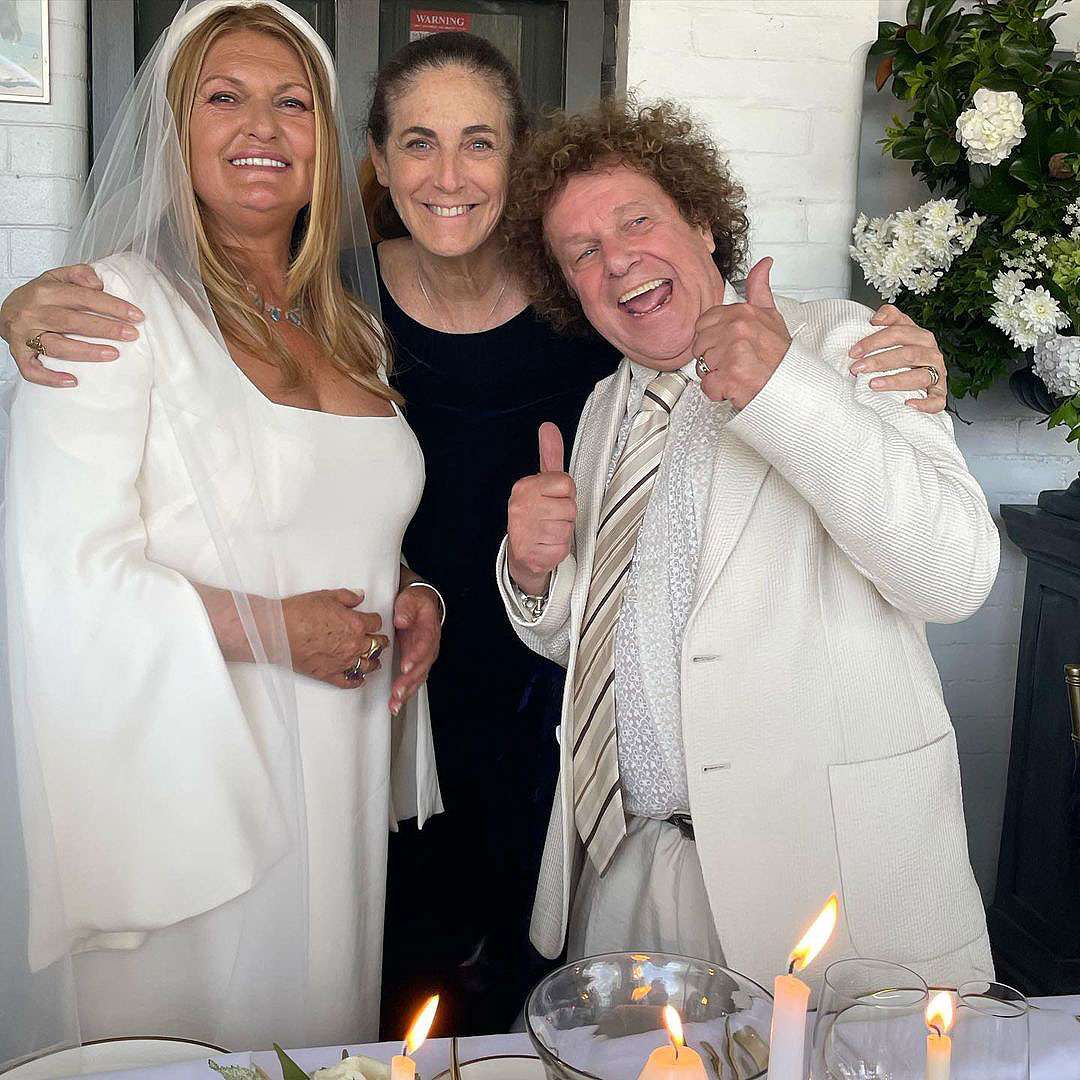
Leo Sayer’s Net Worth: Real Riches Explored
With a head of curly hair, a theatrical stage presence, and a voice that defined the mid-to-late 1970s pop landscape, Leo Sayer became an international household name. Hits like "You Make Me Feel Like Dancing," "When I Need You," and "Thunder in My Heart" dominated global airwaves. But as time has passed, fans and financial observers often wonder: Leo Sayer’s net worth: did his music icon status secure real riches?
Navigating the music industry of the 1970s and 80s was notoriously treacherous for artists. While many stars from that era signed exploitative contracts that left them broke, Sayer managed a long, resilient career spanning multiple decades. This article takes a detailed look at his financial standing, sources of income, and how his legacy shaped his current wealth.
The Peak Years: Chart-Topping Success and Record Sales
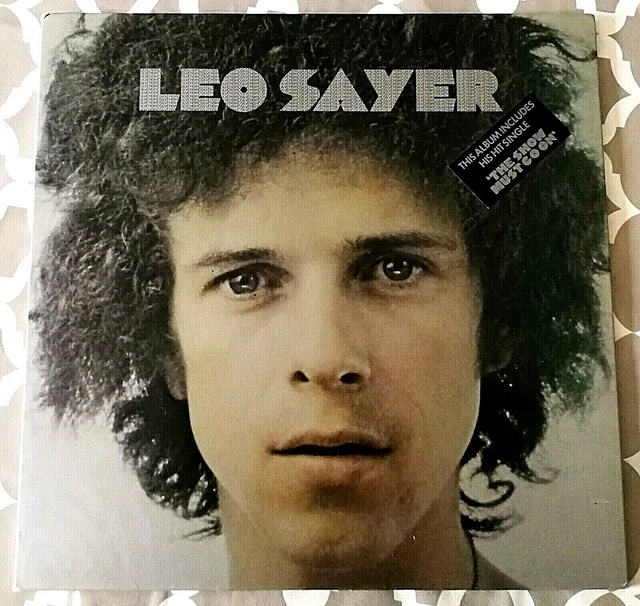
Leo Sayer burst onto the British music scene in 1973 with his debut album, Silver Bird, co-written with David Courtney. However, it was his second album, Just a Boy (1974), featuring the smash hit "Long Tall Glasses," that truly launched him into global stardom.
Throughout the remainder of the decade, Sayer was a dominant chart force:
- "You Make Me Feel Like Dancing" (1976): Reached number one on the US Billboard Hot 100 and earned Sayer a Grammy Award.
- "When I Need You" (1977): Hit the top spot in both the UK and the US, cementing his status as a premier balladeer.
- Album Sales: Sayer sold millions of records worldwide during his peak years with Warner Bros. Records, generating significant upfront advances and mechanical royalties.
In the 1970s, major label artists earned substantial royalties from physical album sales, 45 RPM singles, and international licensing deals. This golden era of record sales laid the primary foundation for Leo Sayer’s net worth.
Songwriting Royalties and Publishing Rights
One of the most reliable long-term streams of income for any legacy artist is songwriting and publishing revenue. Unlike performers who merely interpret songs written by others, Sayer co-wrote the vast majority of his biggest hits.
Every time "You Make Me Feel Like Dancing" is played on commercial radio, streamed on Spotify, featured in a television commercial, or licensed for a Hollywood film, Sayer collects a royalty check. While many modern legacy artists have chosen to sell their catalogs to private equity firms and investment funds for massive lump sums, Sayer has largely retained ownership of his vital intellectual property.
Retaining these rights means that his catalog continues to generate a steady, passive income stream year after year, protecting his long-term financial stability.
Touring and Live Performance Revenue
Recorded music is only one part of an artist's financial ecosystem. For Leo Sayer, live performance has always been a cornerstone of his career and income generation.

Constant International Touring
Unlike some artists who retreat from the spotlight after their commercial peak, Sayer has maintained a remarkably consistent touring schedule for decades. After relocating to Australia in the late 2000s and becoming an Australian citizen in 2009, he built a massive, loyal fan base in the Southern Hemisphere.
He frequently embarks on extensive national tours across Australia, the UK, and Europe. These tours capitalize on nostalgia, filling mid-sized theaters and festival stages with devoted fans eager to hear his classic tracks. Live performance yields high profit margins, especially for legacy acts with minimal production overhead compared to modern pop spectacles.
Television, Film, and Cultural Longevity
Beyond traditional music avenues, Sayer diversified his income through media appearances and sync licensing. Over the years, his songs have appeared in numerous films, television shows, and commercials, each sync agreement commanding a healthy fee.
Furthermore, Sayer’s distinct persona made him a popular figure on television. He famously appeared as a contestant on the UK reality series Celebrity Big Brother in 2007, a gig that reportedly added a substantial fee to his bank account, even though he dramatically walked out of the house before the show ended.
Estimating Leo Sayer’s Net Worth
Calculating the exact net worth of a private entertainer is challenging, as financial holdings, real estate investments, and private royalty agreements are rarely public knowledge. However, based on industry estimates, archival sales data, and ongoing touring revenues, Leo Sayer’s net worth is estimated to be between $10 million and $15 million USD.
This wealth reflects a sensible, hard-working career rather than the astronomical billionaire status seen in modern hip-hop or contemporary pop. Sayer earned his fortune through decades of relentless touring, shrewd business management, and owning the rights to timeless pop anthems that continue to generate revenue.
Conclusion
So, did his music icon status secure real riches? The answer is a definitive yes—though perhaps not the flashy, ostentatious wealth associated with today's superstars. Leo Sayer built a sustainable, enduring fortune through exceptional songwriting, massive 1970s record sales, and a tireless commitment to live performance. By protecting his assets and maintaining a global touring footprint, Sayer proved that enduring musical craftsmanship pays off over a lifetime.