Lessman Vitamins: Is This The Future Of Health And Wellness?
Walk down any grocery store supplement aisle, and you are met with identical plastic bottles filled with hard tablets glued together by chemical binders, synthetic lubricants, and artificial colorants. As modern consumers demand cleaner labels and radical manufacturing transparency, standard practices in the nutraceutical industry are facing intense scrutiny. Amid this shift, many health-conscious buyers are looking closely at Andrew Lessman and asking of Lessman Vitamins: Is this the future of health and wellness?

Founded on principles of pure, additive-free formulation and ecological responsibility, Lessman’s brand—manufactured exclusively by ProCaps Laboratories—has operated outside traditional pharmaceutical conventions for over four decades. To understand whether this model represents the direction of global wellness or merely a niche luxury, we must examine how these vitamins are formulated, manufactured, and utilized by the body.
The Philosophy Behind Andrew Lessman’s Formulations
Andrew Lessman began developing dietary supplements in 1979 out of frustration with existing athletic nutrition products. Conventional supplement tablets rely heavily on manufacturing excipients such as magnesium stearate, stearic acid, silicon dioxide, and artificial glazes. While these agents speed up high-volume industrial tablet presses, they add zero nutritional value and can impede nutrient dissolution in the digestive tract.
Lessman established a strict foundational standard: zero binders, zero fillers, zero chemical additives, and zero artificial colors. Instead of compressed rock-hard tablets, ProCaps formulations deliver 100% pure active powders enclosed inside ultra-soft gelatin or vegetarian capsules. This decision ensures fast, gentle disintegration without irritating sensitive stomach linings—a common complaint associated with conventional multivitamin tablets.
Lessman Vitamins: Is This The Future Of Health And Wellness?
The global wellness market is undeniably pivoting toward conscious consumerism. Today’s supplement buyer wants more than just a list of micronutrients; they demand environmental accountability, premium bioavailability, and ethical sourcing. In many respects, Lessman’s operational model predicted the core demands of 21st-century preventive health.
While venture-backed wellness startups spend millions rebranding basic multivitamin blends in pastel containers, ProCaps Laboratories has spent decades perfecting the supply chain mechanics that matter most: nutrient absorption and ecological impact. The modern shift away from synthetic isolates toward bioactive forms mirrors what Lessman pioneered in the late 1980s.
Key Pillars of the ProCaps Manufacturing Model
To evaluate if this approach defines the future of preventative nutrition, it helps to break down the primary structural differences between Lessman vitamins and conventional shelf brands:
- 100% Solar-Powered Production: Located in Henderson, Nevada, the ProCaps manufacturing facility operates entirely off-grid via a massive zero-emission solar array. It remains one of the few completely self-sustaining nutraceutical facilities in the world.
- Ultra-Fine Bioavailable Powders: Compressing vitamins into dense pills can compromise their transit time in the digestive tract. Lessman utilizes micro-granulated, ultra-soluble powders that release instantly upon reaching gastric acid.
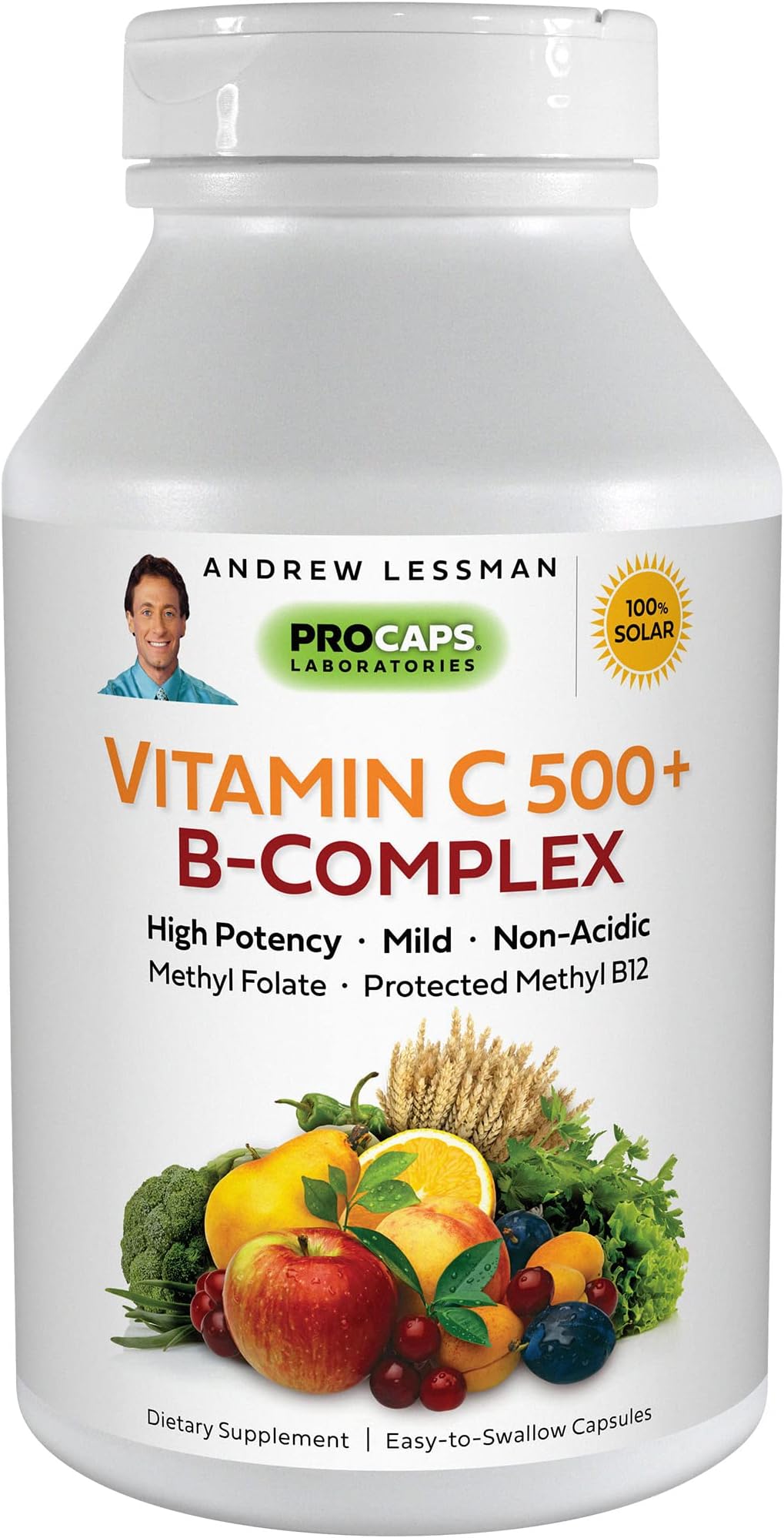
- Advanced Nutrient Forms: Rather than relying on cheaper, poorly absorbed raw ingredients (such as cyanocobalamin for B12 or synthetic dl-alpha tocopherol for Vitamin E), the brand standardizes on active, methylated, and natural isomers (like methylcobalamin and natural d-alpha tocopherol).
- Eco-Responsible Packaging: Bottles are constructed using 100% post-consumer resin (PCR), eliminating virgin plastic usage and significantly reducing the lifecycle carbon footprint of daily supplementation.
Standout Formulations Worth Examining
The ProCaps catalog spans hundreds of targeted formulas, but several key products highlight why the brand retains a fiercely loyal consumer base:

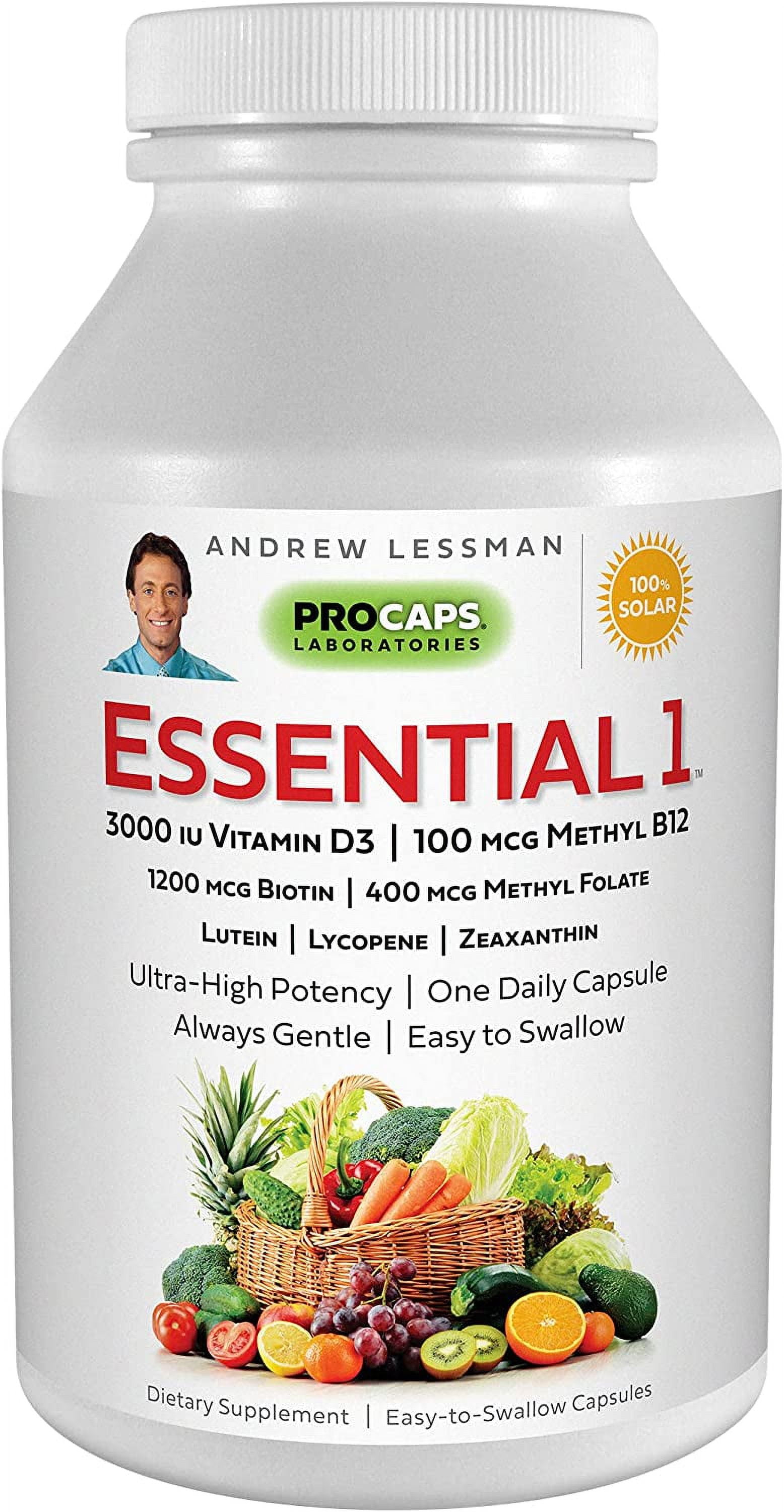
1. Essential One Multivitamin
Unlike standard drugstore multivitamins requiring multiple tablets choked down with heavy meals, Essential One packs therapeutic doses of essential vitamins and minerals into a single, small capsule. It provides natural carotenoids, methylated folate (5-MTHF) instead of synthetic folic acid, and elevated levels of Vitamin D3—all formulated to remain exceptionally mild on an empty stomach.
2. CoQ10 with Vitamin D3 and Carotenoids
Coenzyme Q10 is notoriously difficult for the human body to absorb. Lessman suspends pharmaceutical-grade, trans-isomer CoQ10 in ultra-fine micro-granules alongside natural fat-soluble transporters, bypassing the absorption roadblocks common in dry powder tablets.
3. Marine Collagen Peptides
Sourced from sustainable, cold-water wild fish rather than low-cost mammalian feedlots, this powder dissolves completely clear in water without taste or odor. Its low molecular weight profile facilitates superior di- and tri-peptide uptake into the bloodstream.
Balanced Considerations: What Consumers Should Keep in Mind
While the manufacturing pedigree is among the cleanest in the industry, prospective buyers should weigh a few practical considerations before overhauling their daily routine:
- Premium Price Point: Pharmaceutical-grade bioactive forms and custom solar facilities require capital. Lessman vitamins carry a noticeably higher price per serving than commercial supermarket brands, though bulk purchasing on their direct site or during network television specials can lower costs significantly.
- Capsule Volume for Complex Formulas: Because binders are never used to artificially compress material, complex joint-support or bone-density regimens can require taking 3 to 6 capsules per day to receive full therapeutic dosages.
- Distribution Strategy: ProCaps historically eschewed physical retail storefronts, opting instead for direct-to-consumer sales via the web and Home Shopping Network (HSN). Shoppers who prefer grabbing vitamins off local retail shelves must plan ahead for online shipping.
The Final Verdict
The future of health and wellness is moving rapidly away from synthetic shortcuts, industrial fillers, and environmentally damaging supply chains. Consumers are increasingly literate in nutritional science, seeking products that treat the digestive system gently while respecting global ecological boundaries.
By pairing solar-powered manufacturing with clinical-grade, additive-free raw ingredients, Andrew Lessman’s approach offers a viable, forward-thinking blueprint for what dietary supplementation ought to look like. For individuals willing to invest in clinical bioavailability and zero-additive manufacturing, Lessman’s formulas provide an uncompromising look at where the wellness industry is ultimately heading.