Lewis Hamilton Net Worth UK: Racing vs Sponsorships
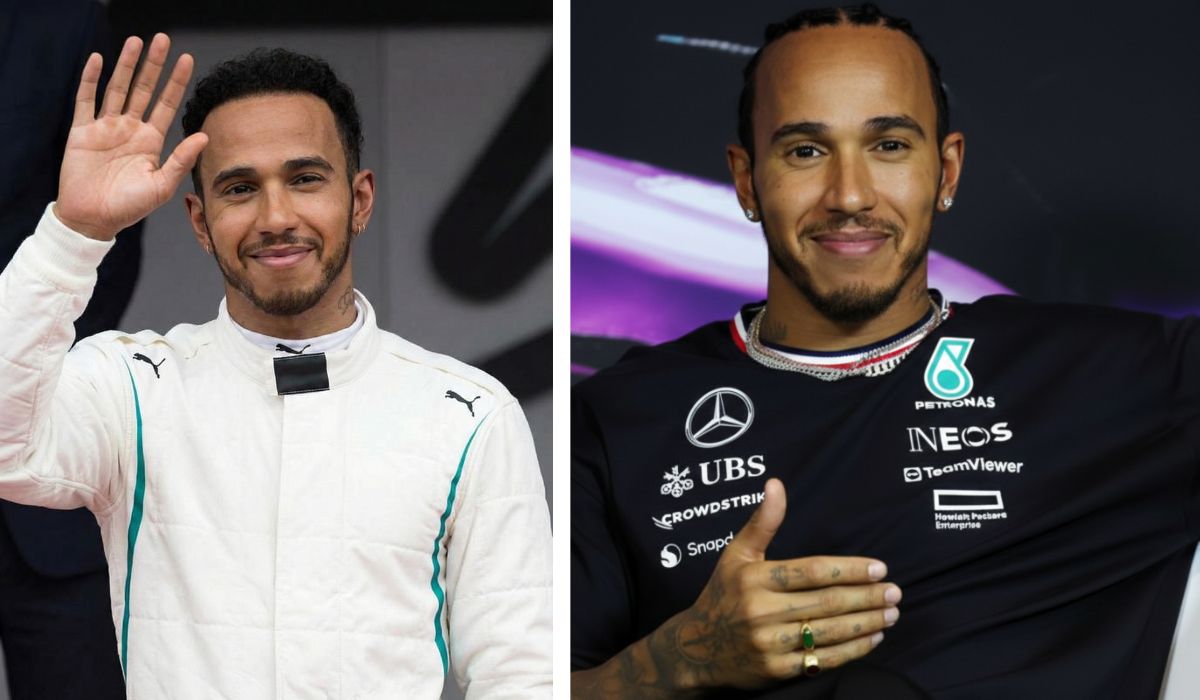
When discussing modern sporting icons who have transcended their discipline to become global cultural brands, few names match the stature of Sir Lewis Hamilton. As a seven-time Formula 1 World Champion, his name is synonymous with speed, success, and relentless ambition. However, off the track, his financial empire has expanded into fashion, film, and massive corporate partnerships. For fans and financial analysts alike, the burning question often revolves around the true scale of the Lewis Hamilton net worth UK figures, and specifically, whether his off-track business ventures now eclipse his day job.
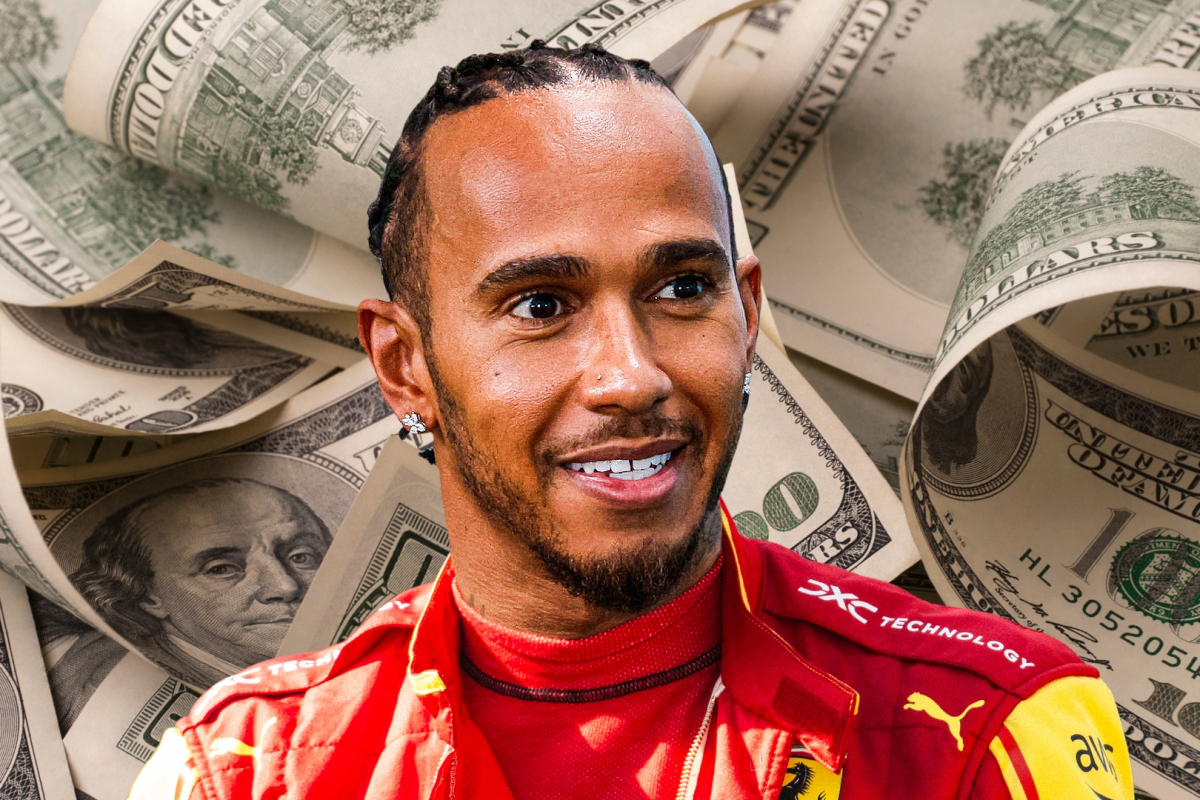
Understanding Hamilton's wealth requires looking at two distinct revenue streams: his lucrative Formula 1 driving contracts and his extensive portfolio of global sponsorships and investments. While his racing salaries make him one of the highest-paid athletes in British history, the modern sports landscape means his commercial appeal is where true generational wealth is built.
The Foundations: Lewis Hamilton Net Worth UK Breakdown
Estimates place the Lewis Hamilton net worth UK total anywhere between £300 million and £350 million. This puts him comfortably at the summit of British sports wealth, alongside football legends and heavyweight boxers. But how did he accumulate such a staggering fortune? The journey spans nearly two decades at the absolute pinnacle of motorsport, featuring a long-term stint at McLaren followed by his legendary, championship-defining run with Mercedes.
His wealth accumulation accelerated dramatically during the 2010s as Mercedes dominated the hybrid era. Aside from his baseline income, Hamilton has consistently made smart real estate investments—including properties in Monaco, New York, and London—and launched entrepreneurial ventures, such as his vegan burger chain Neat Burger and his film production company, Dawn Apollo Films.
Are His Sponsorships More Lucrative Than Racing?
To answer whether his sponsorships out-earn his racing, we have to examine the raw numbers from both sides of his ledger. Traditionally, F1 drivers make their core money from team salaries and performance bonuses. Yet, Hamilton's unique status has blurred these lines significantly.
The Power of F1 Salaries and Bonuses
Throughout his career, Hamilton's driving salary has commanded top tier numbers. During his peak years with Mercedes, his annual base salary hovered around £40 million to £50 million, excluding performance-based bonuses for race wins, pole positions, and world championships. When he signed his high-profile contract extension with Mercedes, his earning power as a driver reached historic heights.
However, F1 salaries come with significant overheads. Maintaining a racing career at that level involves substantial personal expenses, including private training staffs, travel logistics, and management fees. Furthermore, racing is inherently finite; a driver's earning capacity on the track has a strict expiration date.
Video: Lewis Hamilton’s Fortune: The Shocking Secrets Behind His Financial Empire!

High-End Brand Partnerships and Endorsements
On the other side of the equation, Lewis Hamilton's sponsorships generate an estimated £10 million to £15 million annually in pure endorsement income, though some estimates run even higher when factoring in equity stakes and licensing deals. His portfolio includes blue-chip brands that value him not just as a racing driver, but as a fashion icon, cultural tastemaker, and activist:
- Tommy Hilfiger: A multi-year collaboration that saw Hamilton co-design several successful global fashion collections.
- Monster Energy: A long-standing partnership featuring signature drink lines and global marketing campaigns.
- IWC Schaffhausen: High-end luxury watch collaborations, often featuring custom pieces designed by Hamilton himself.
- Puma: Long-term apparel partnerships aligning with his streetwear and lifestyle aesthetic.
- Gran Turismo / Electronic Arts: Digital integrations and gaming endorsements.
Unlike his racing salary, these sponsorship deals often include equity partnerships, meaning Hamilton benefits directly from the growth and sales of the products he endorses. This passive revenue stream compounds over time.
Comparing the Two Income Streams
Strictly speaking on an annual cash-flow basis, Hamilton's Mercedes racing salary historically edges out his direct endorsement income. A £40 million salary outpaces a £15 million sponsorship intake in any single year. Therefore, in terms of raw annual income, racing has traditionally been more lucrative.
However, the narrative shifts when looking at long-term wealth preservation and post-retirement earning potential. Sponsorships build intellectual property, personal brand equity, and business networks that will sustain the Lewis Hamilton net worth UK valuation long after he hangs up his racing helmet. Furthermore, his upcoming move to Ferrari signifies yet another massive financial and cultural milestone, likely maintaining his elite driver salary while opening up fresh luxury brand partnerships in the Italian market.
Conclusion: A Balanced Empire
Ultimately, Lewis Hamilton’s financial success is not a case of racing versus sponsorships, but rather how the two reinforce one another. His status as a seven-time F1 World Champion is what makes him attractive to luxury fashion houses and global brands in the first place. Without the racing pedigree, the sponsorships wouldn't exist. Conversely, without the savvy business ventures and endorsements, his wealth would be entirely dependent on the physical demands of motorsport.
While his racing salary remains the larger direct annual earner, his sponsorships and entrepreneurial pursuits are the true engine of his future-proofed financial empire.