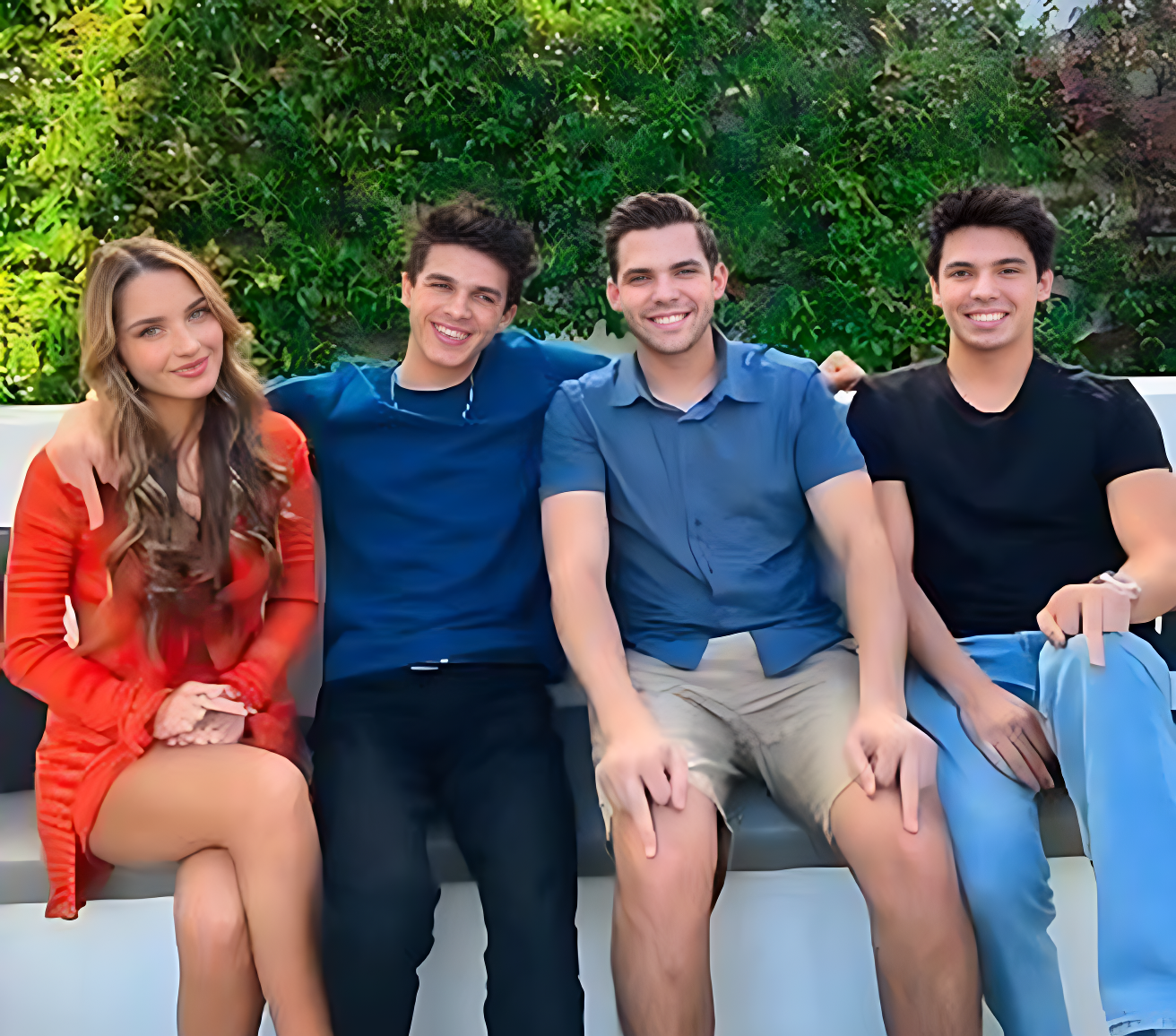
Lexi Rivera’s Leak Sparks Fire Across Social Media
Understanding the Digital Storm: Lexi Rivera’s Leak Sparks Fire Across Social Media Now

In the fast-paced world of digital media, few things spread faster than a juicy rumor or a supposed exclusive scandal involving a top-tier creator. Recently, internet users woke up to trending topics claiming that Lexi Rivera’s leak sparks fire across social media now. For millions of followers who track the daily lives of YouTube and TikTok elite, these notifications instantly trigger curiosity, concern, and a flurry of online activity.
However, navigating the ecosystem of modern internet gossip requires a careful eye. Digital ecosystems are heavily prone to sensationalized headlines, deepfakes, phishing scams, and completely fabricated stories designed strictly for clickbait. This article breaks down how these viral moments originate, why they gain traction so quickly, and what fans should know to protect themselves from malicious online actors.
The Anatomy of a Viral Rumor
When a prominent internet personality suddenly trends globally, it is rarely by accident. Social media algorithms are engineered to amplify high-engagement keywords, emotional triggers, and shocking claims. Understanding how these rumors build momentum helps explain why thousands of people end up searching for unverified content.
1. The Power of Clickbait and Fake Links
Bad actors frequently use the names of famous influencers like Lexi Rivera to lure unsuspecting users to malicious websites. By posting ambiguous statements on platforms like X (formerly Twitter) or TikTok, scammers drive traffic to phishing pages under the guise of offering "exclusive footage" or "hidden secrets." Clicking these links can compromise personal data or install adware.
2. Fan Communities and Speculation Loops
Dedicated fanbases naturally want to protect and support their favorite creators. However, when rumors begin to circulate, well-meaning fans often amplify the very misinformation they wish to dispel. By posting questions, retweeting fake screenshots, or demanding statements, communities inadvertently push trending topics higher up the algorithmic ladder.
Platform Policies and Moderation Challenges

Major social media corporations face an ongoing uphill battle when dealing with coordinated misinformation campaigns and non-consensual media. Despite strict terms of service prohibiting harassment and the sharing of private content, bad actors constantly find loopholes to bypass automated filters.
- Keyword Obfuscation: Users often misspell names or use alternative hashtags to avoid automated content moderation.
- Cross-Platform Migration: A rumor might start on TikTok, move to X for real-time discussion, and culminate in clickbait articles on unregulated blogs.
- Delayed Responses: By the time platforms review and remove harmful posts, millions of users have already viewed the trending hashtags.
How Creators Handle Digital Crises
For influencers who live their lives in the public eye, managing false narratives is a regular part of the job. Established creators typically rely on a standard playbook when wild rumors or fake leaks begin dominating the internet.
Most top-tier creators choose not to address baseless claims directly, as doing so often breathes new life into a dying story—a phenomenon known as the Streisand effect. Instead, they focus on producing regular content, communicating directly with verified fan channels, and letting legal or platform moderation teams handle severe violations.
Best Practices for Social Media Users
As consumers of digital content, individuals hold the power to stop the spread of misinformation. The next time a shocking headline crosses your feed, keep the following steps in mind:
- Verify the Source: Check if mainstream news outlets or the creator's official verified accounts have addressed the claim.
- Avoid Suspicious Links: Never click on external links promising leaked photos, videos, or hacked documents.
- Do Not Share: Refrain from reposting or commenting on sensationalized posts, as engagement feeds the algorithm that pushes the content to wider audiences.
Conclusion
The phrase Lexi Rivera’s leak sparks fire across social media now serves as yet another reminder of the volatile nature of internet culture. While online curiosity is natural, the digital landscape requires vigilance. By refusing to engage with clickbait and relying on verified facts rather than viral speculation, users can help foster a safer, more positive online environment for everyone.