Lexus IS300 MPG Guide: Fuel Economy by Year & Engine
Understanding Lexus IS300 MPG Across Generations

When shopping for a luxury sport sedan, balancing performance with fuel costs is a top priority for most buyers. If you are looking at the popular Lexus IS300, understanding the expected lexus is300 mpg is essential before making a purchase. Over its multi-decade production run, the IS300 has utilized several different powertrains, ranging from legendary naturally aspirated inline-sixes to modern turbocharged four-cylinders and V6 engines.
Because the IS300 has evolved significantly since its debut in the early 2000s, its fuel economy varies widely depending on the model year, engine choice, and whether the vehicle is equipped with rear-wheel drive (RWD) or all-wheel drive (AWD). This guide breaks down the EPA ratings, real-world fuel economy, and driving habits that affect efficiency.
First Generation IS300 (2001–2005) Fuel Economy
The original first-generation Lexus IS300 holds a legendary status among car enthusiasts. Powered by the iconic 3.0-liter 2FA-GE inline-six engine—a close relative of the Supra's famed powerplant—this generation prioritizes driving dynamics and durability over strict fuel efficiency.
EPA Ratings and Real-World Numbers
During its run, the first-gen IS300 was primarily paired with a 5-speed automatic transmission (though a rare 5-speed manual was available for select years). The official EPA ratings for the automatic sedan sit at:
- City: 18 mpg
- Highway: 23 mpg
- Combined: 20 mpg
In real-world driving, owners often report getting right around 18 to 21 mpg in mixed commuting. Because these older naturally aspirated engines require premium gasoline, fuel costs can add up quickly if you have a heavy foot or spend a lot of time sitting in heavy stop-and-go traffic.
Second Generation Gap and Return (2006–2015)
Interestingly, Lexus skipped using the "IS300" badge for the entire second generation of the IS lineup (2006–2013). During these years, buyers chose between the smaller-engine IS250 and the more powerful V6-powered IS350. The IS300 nameplate temporarily vanished from the North American market, though it returned globally in various forms.
Third Generation IS300 (2016–Present) Efficiency
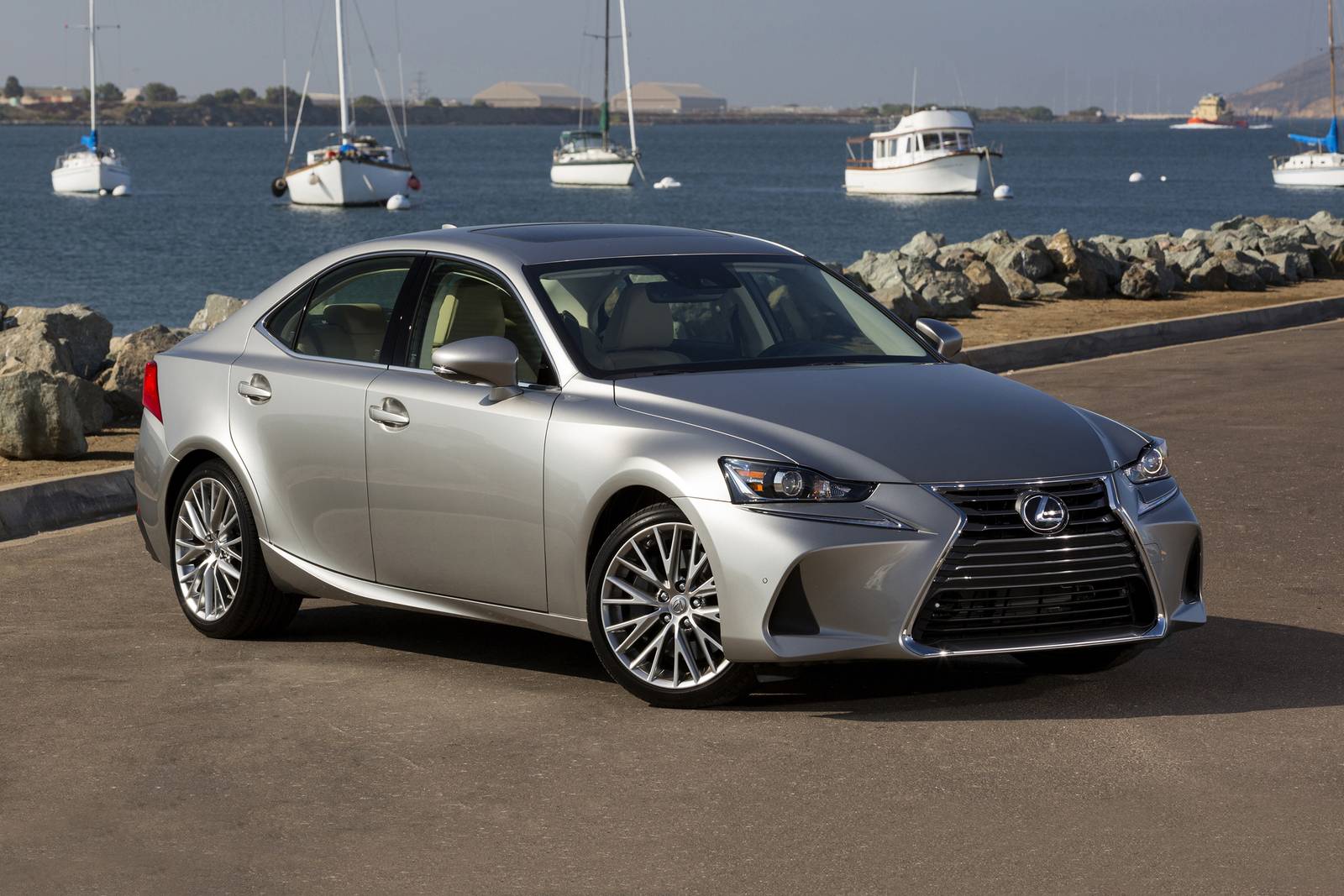
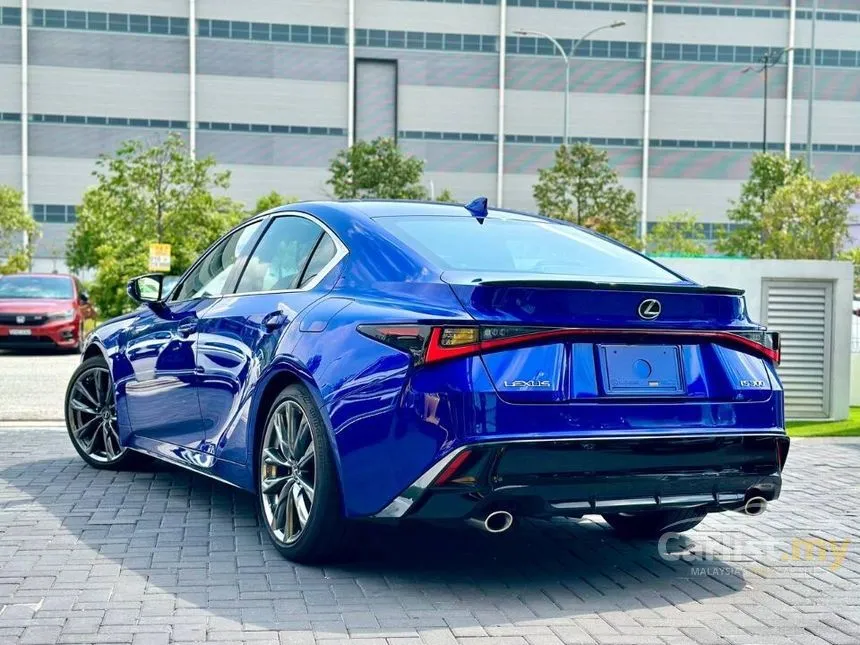
The IS300 name returned to the United States for the 2016 model year, bringing entirely new engine configurations. Lexus split the lineup into two distinct variants depending on the drivetrain, which drastically changes the fuel economy profile.
Video: Fuel Consumption MPG TEST // Lexus IS300

IS300 Rear-Wheel Drive (2.0L Turbocharged I4)
Models equipped with rear-wheel drive feature a 2.0-liter turbocharged inline-4 engine mated to an 8-speed automatic transmission. This modern powerplant was designed to offer better low-end torque and superior fuel economy compared to the older V6 units.
- City: 21–22 mpg
- Highway: 31–32 mpg
- Combined: 25 mpg
If you primarily drive on the highway, the RWD turbo model is by far the most efficient iteration of the IS300 ever built, easily clearing the 30 mpg mark on long interstate trips.
IS300 All-Wheel Drive (3.5L V6)
If you opt for the all-wheel-drive version of the third-generation IS300, Lexus drops the turbo-four in favor of a detuned 3.5-liter V6 engine paired with a 6-speed automatic transmission. While this configuration provides excellent all-weather traction and a smoother engine note, it takes a noticeable toll on fuel economy.
- City: 19 mpg
- Highway: 26 mpg
- Combined: 21 mpg
The heavier drivetrain and older 6-speed transmission mean the AWD model drinks significantly more fuel, especially in urban environments where it hovers around the high teens.
Comparing RWD vs. AWD Fuel Economy
Choosing between the rear-wheel-drive and all-wheel-drive IS300 involves a direct trade-off between traction and fuel efficiency. The RWD turbo-four yields roughly 4 mpg better on the highway and 2 to 3 mpg better in combined driving compared to the heavier V6 AWD model.
| Drivetrain & Engine | City MPG | Hwy MPG | Combined MPG |
|---|---|---|---|
| 2001–2005 IS300 (3.0L I6) | 18 | 23 | 20 |
| 2016–Present IS300 RWD (2.0L Turbo I4) | 21 | 31 | 25 |
| 2016–Present IS300 AWD (3.5L V6) | 19 | 26 | 21 |
Practical Tips to Maximize Your Lexus IS300 Fuel Economy
Regardless of which model year you drive, getting the absolute best fuel economy out of your luxury sedan requires a combination of proper maintenance and smart driving habits. Implement these simple strategies to keep your fuel stops to a minimum:
- Use Premium Gasoline: Lexus requires premium fuel (91 octane or higher) for all IS300 models to prevent engine knocking and maintain optimal combustion efficiency. Using regular fuel can decrease performance and lower overall fuel mileage.
- Maintain Correct Tire Pressure: Under-inflated tires increase rolling resistance, forcing the engine to work harder. Check your tire pressure monthly to ensure it matches the manufacturer's recommendation listed on the door jamb.
- Limit Excess Weight: Remove heavy items from your trunk that you don’t need on a daily basis. Extra weight negatively impacts city driving efficiency.
- Keep Up with Maintenance: Old spark plugs, dirty air filters, and degraded oxygen sensors can silently ruin your gas mileage. Stick to the scheduled maintenance intervals outlined in your owner's manual.
- Use Eco Mode: If your modern third-generation IS300 is equipped with Drive Mode Select, switch it to "Eco" during your daily commute to soften throttle response and optimize climate control energy usage.
Conclusion
The Lexus IS300 balances sporty driving dynamics with reasonable efficiency, but your mileage will vary greatly depending on the generation and configuration. While older inline-six models and modern all-wheel-drive V6 variants trade efficiency for character and traction, newer rear-wheel-drive turbocharged models deliver impressive highway fuel economy for a luxury sedan. By understanding these figures and practicing good vehicle maintenance, you can enjoy your IS300 while keeping fuel costs under control.