Ley Lines in Michigan: Fact, Myth, and Geography
Introduction to Michigan's Mystical Grid

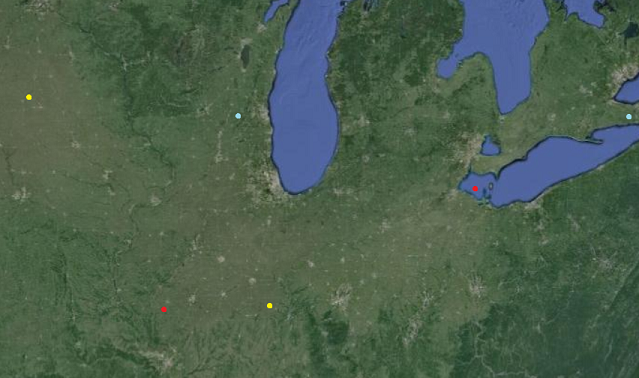
For decades, folklore enthusiasts and metaphysical explorers have mapped invisible energetic pathways across the globe. Among these esoteric subjects, the concept of ley lines in Michigan has captured the imagination of travelers, paranormal researchers, and local historians alike. While mainstream science attributes these alignments to coincidence, the folklore surrounding Michigan's energy grids, sacred sites, and ancient earthworks remains a vibrant part of the state's alternative culture.
To understand what people mean when they talk about Michigan's energetic grid, it helps to look at both the historical definition of ley lines and the specific geographical features in the Great Lakes State that draw seekers to them. Whether you view them as conduits of spiritual energy or simply fascinating alignments of human history, Michigan offers a rich landscape for exploration.
What Are Ley Lines?
The term "ley lines" was coined in 1921 by amateur archaeologist Alfred Watkins. In his book The Early British Trackways, Watkins proposed that ancient British monuments, straight tracks, and historical landmarks fell into perfectly straight alignments across the landscape. He believed these paths were prehistoric trade routes.
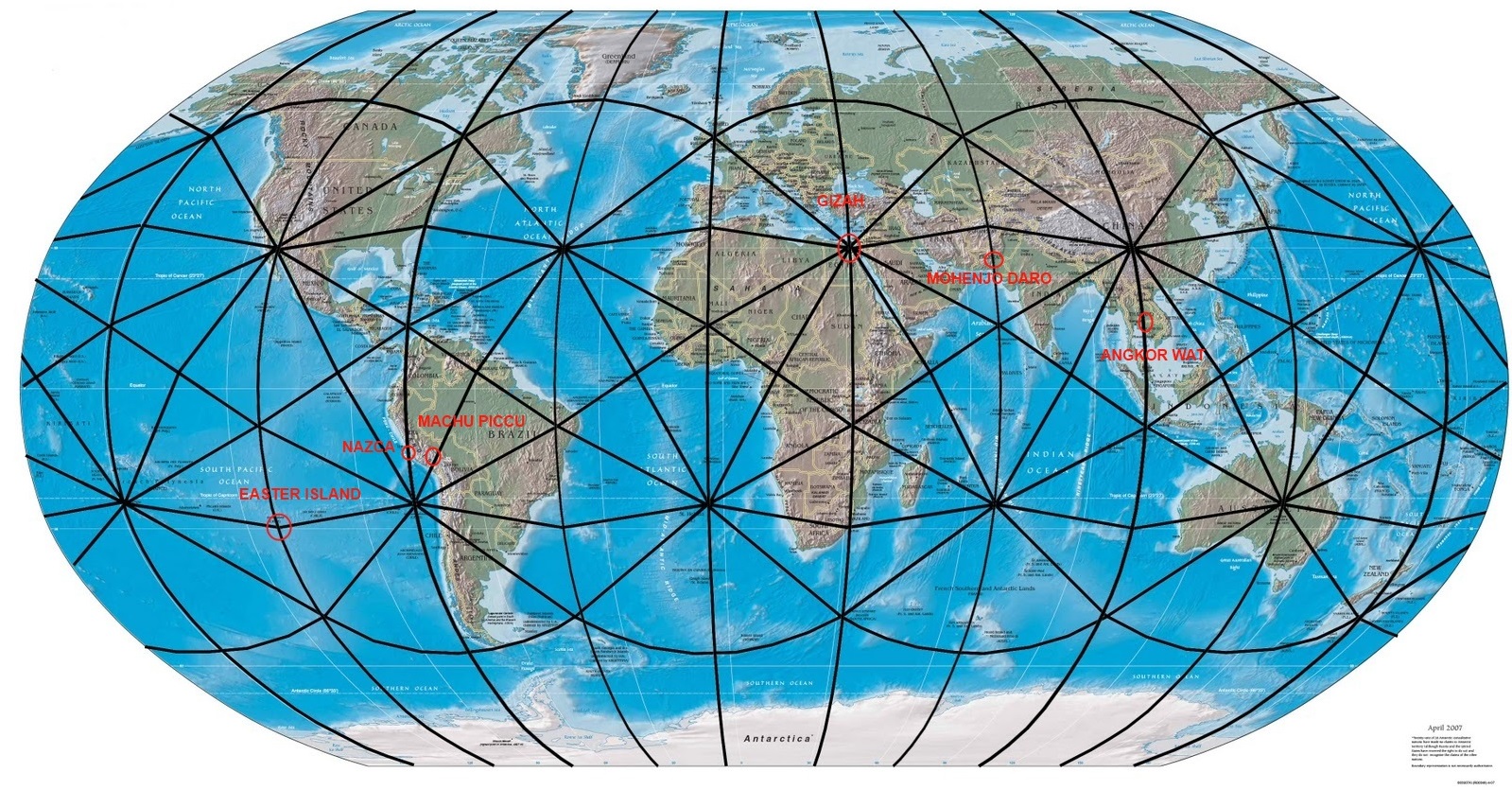
Over the decades, however, the concept evolved significantly. During the 1960s and 70s Earth Mysteries movement, authors reinterpreted Watkins' work through a mystical lens. Ley lines transformed from ancient roads into invisible currents of spiritual power, magnetic force, or earth energy. Today, believers suggest that intersecting ley lines create vortexes—places of heightened spiritual awareness, UFO activity, and paranormal phenomena. When this global theory reached North America, enthusiasts began searching for ley lines in Michigan and across the wider Midwest.
Geological and Historical Hotspots
While scientists maintain that ley lines are statistical inevitabilities given the high density of historical and geographical sites, certain locations in Michigan frequently appear on alternative maps and paranormal guides.
Copper Country and Ancient Mining
The Keweenaw Peninsula in Michigan's Upper Peninsula is one of the most geologically unique regions in North America. Long before European settlers arrived, prehistoric indigenous peoples mined massive amounts of native copper here, dating back thousands of years. Because copper is an exceptional conductor of electricity and magnetic fields, alternative researchers often point to the Keweenaw Peninsula as a major anchor point for regional energy lines.
Effigy Mounds and Sacred Earthworks
Michigan, alongside neighboring Wisconsin and Ohio, features numerous earthworks left behind by the Mound Builder cultures. Mounds shaped like animals, conical burial mounds, and geometric earthworks are often treated by modern earth-energy enthusiasts as sacred geometric points. In traditional ley line theory, connecting these ancient human-made sites reveals a deliberate grid system designed to harmonize with the earth's natural currents.

The Great Lakes Connection
Water plays a massive role in Michigan's geography, and water is frequently assigned special properties in alternative earth mysteries. Proponents of ley line theories often argue that major bodies of water—like Lake Michigan and Lake Superior—act as amplifiers for subterranean energy currents. The sheer volume of fresh water, combined with the region's deep bedrock and glacial history, makes the Great Lakes basin a focal point for both physical geography and metaphysical speculation.
Famous Michigan Landmarks Tied to the Grid
Several well-known Michigan destinations are frequently discussed in paranormal circles as intersecting points or high-energy zones:
- Mackinac Island: Long before it became a Victorian resort destination, Mackinac Island was considered sacred by the Anishinaabe people. Its unique rock formations, such as Arch Rock and Sugar Loaf, are central to local Native American legends and frequently cited by modern spiritual seekers.
- Prehistoric Rock Art Sites: Locations featuring ancient petroglyphs and pictographs, such as the Sanilac Petroglyphs Historic State Park, represent deep human connections to the Michigan landscape over centuries.
- The Michigan Triangle: While technically a maritime mystery zone rather than a traditional ley line, the waters of Lake Michigan between Ludington, Manitowoc, and Benton Harbor share a similar cultural space with ley line lore, known for unexplained disappearances and anomalous phenomena.
Science vs. Lore: Understanding the Alignments
It is important to approach the topic of ley lines with a balanced perspective. From a scientific standpoint, the concept lacks empirical evidence. Statisticians have demonstrated that if you scatter enough points across a map—representing ancient sites, churches, geological anomalies, or even modern gas stations—you can draw straight lines connecting several of them simply by chance.
Furthermore, geologists point out that the Earth's magnetic field is shaped by molten iron currents deep within the outer core, not by surface-level geometric grids connecting ancient monuments. However, the lack of scientific backing does not diminish the cultural value of these ideas. The belief in ley lines reflects a deep human desire to find order, meaning, and a sacred connection to the physical environment.
Exploring Michigan's Landscape Mindfully
Whether you are a dedicated follower of earth mysteries or simply a curious traveler looking to experience Michigan's rich history and natural beauty, viewing the state through the lens of its geography offers a fresh perspective. Here are a few ways to explore responsibly:
- Respect Indigenous Heritage: Many sites considered "sacred points" by modern New Age practitioners are ancestral homelands and burial sites for Native American tribes. Always respect posted guidelines, rules, and the cultural significance of these places.
- Appreciate Real Geology: Take time to learn about the actual glacial forces, ancient fault lines, and mineral deposits that shaped Michigan. The true history of the state's bedrock is just as awe-inspiring as any myth.
- Engage with Local History: Visit local historical societies and state parks to understand the authentic human history behind Michigan's landmarks, mounds, and early settlements.
Conclusion
The allure of ley lines in Michigan speaks volumes about our relationship with the natural world. While they exist primarily in the realm of folklore and alternative geography rather than hard science, they invite us to look closer at the land beneath our feet. By exploring Michigan's ancient copper mines, sacred earthworks, and breathtaking shorelines, travelers can connect with the profound history and enduring mystery of the Great Lakes State.