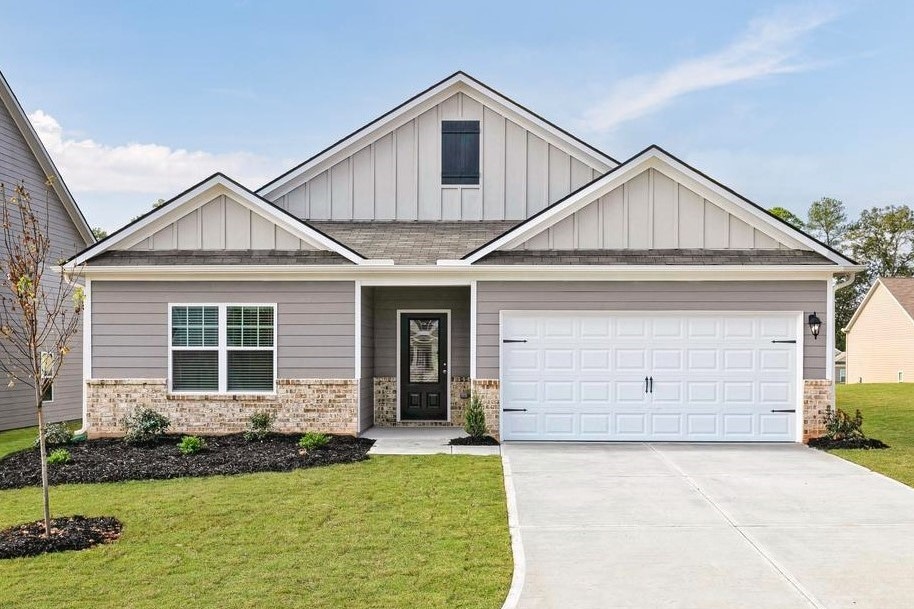
LGI Homes Pros and Cons: Is It Right for You?
Entering the housing market as a first-time buyer can feel overwhelming, especially when trying to balance rising home prices with the desire for modern amenities. One national builder that frequently catches the eye of budget-conscious shoppers is LGI Homes. Known for their streamlined approach to homeownership, they promise an attainable path out of renting. However, before signing a contract, it is essential to evaluate the LGI Homes pros and cons to determine if their construction style and buying process align with your long-term goals.

Founded in Texas and now operating across dozens of states, LGI Homes focuses primarily on entry-level buyers. Their business model centers on turning renters into homeowners by offering affordable communities, simplified floor plans, and specialized in-house mortgage assistance. But how does this translate into everyday living? Let us break down the advantages and disadvantages.
The Major Benefits of Buying with LGI Homes
LGI Homes has built its reputation on specific strengths that appeal heavily to buyers who are tired of losing bidding wars on existing homes. Here are the primary advantages you can expect.
1. The No-Hassle "CompleteHome" Package
One of the biggest financial hurdles for new construction buyers is upgrading the base model. Builders often quote a low base price, only to add thousands of dollars in mandatory costs for appliances, flooring, and landscaping. LGI takes a different approach with their CompleteHome and CompleteHome Plus interior packages.
- Energy-efficient kitchen appliances (including the refrigerator) are included.
- Upgraded cabinetry and granite countertops come standard.
- Front-yard landscaping and backyard fencing are typically included.
- Programmable thermostats and faux wood blinds are pre-installed.
This means the price you see is much closer to your actual move-in cost, eliminating the hidden expenses common with other production builders.
2. Streamlined Financing Assistance
Navigating the mortgage process is often the most stressful part of buying a house. LGI Homes works closely with preferred lenders to offer specialized financing programs. For many buyers, this includes assistance with down payments and guidance on qualifying for FHA, VA, or USDA loans. If you have a modest savings account, their programs can make homeownership possible much sooner than you might expect.
3. Speed and Efficiency
Because LGI utilizes standardized floor plans and pre-selected finishes, construction timelines are generally much faster than custom or semi-custom builds. If you are facing the end of a lease and need a reliable timeline, buying an inventory home from LGI can provide a predictable moving date.
The Drawbacks: Potential Downsides to Consider
While the path to homeownership is smoother with this builder, there are notable trade-offs. Examining the other side of the coin is crucial for setting realistic expectations.
1. Cookie-Cutter Communities and Limited Customization
Efficiency comes at the expense of individuality. LGI Homes neighborhoods feature repetitive streetscapes with very similar floor plans and exterior color palettes. If you value architectural uniqueness, custom layouts, or the ability to pick out your own high-end tile and fixtures from a design center, you will likely find their options restrictive.
2. Quality Control and Post-Closing Issues
As with many high-volume production builders, construction speed can sometimes lead to quality control inconsistencies. Online reviews frequently highlight minor cosmetic defects upon move-in, such as uneven paint, poorly trimmed baseboards, or grading issues in the yard. While LGI provides a structural warranty and a dedicated customer service department to address these items, dealing with warranty claims requires patience.
3. Location of Communities
To keep home prices low, LGI typically purchases land on the outer fringes of major metropolitan areas. While you get more square footage for your money, this often translates to longer commutes to employment centers, shopping districts, and entertainment hubs. Be sure to factor in increased transportation costs and time spent in traffic when calculating your monthly budget.
What to Look Out for During the Buying Process
If you decide that the advantages outweigh the disadvantages, you can protect your investment by taking a proactive approach during the purchase lifecycle:
- Hire an Independent Inspector: Never skip a third-party home inspection just because the house is brand new. An independent inspector can catch building code oversights or minor plumbing leaks before you sign off on the final walkthrough.
- Read the HOA Rules: Most LGI communities have a Homeowners Association (HOA) to maintain neighborhood standards. Review the covenants, conditions, and restrictions (CC&Rs) carefully regarding parking, pets, and exterior modifications.
- Shop Around for Mortgages: While LGI's preferred lenders offer great incentives, always get a secondary quote from an independent credit union or bank to ensure you are getting the most competitive interest rate.
Final Verdict: Are LGI Homes Worth It?
LGI Homes successfully fills a vital niche in the American real estate market. By removing the guesswork from upgrades and offering accessible financing paths, they have handed front-door keys to thousands of first-time buyers who otherwise would have remained renters.
However, they are not a one-size-fits-all solution. If you prioritize a short commute, high customizability, and neighborhood architectural diversity, you might want to look elsewhere. But if your primary goals are securing a brand-new, move-in-ready home with predictable pricing and modern features on a sensible budget, LGI Homes is certainly worth considering.