Life After a Data Breach: The Emotional Chill That Won’t End
When a notification lands in your inbox stating that your personal data has been compromised in a corporate hack, the immediate response is usually logistical. You update your banking passwords, freeze your credit, and scan credit monitoring reports for suspicious activity. Once the administrative tasks are complete, society expects you to move on. After all, the hackers have your data, not your physical possessions, right? Yet, for many victims, an invisible frost settles in. This brings us to a reality few discuss openly: **What Comes After the Leak: The Emotional Chill That Won’t End**.

Unlike a physical burglary where a broken window is repaired and the debris is swept away, a digital breach leaves no tangible trace. Your home looks the same, your phone still rings, and your daily routine continues. But a profound violation has occurred. Recognizing the psychological anatomy of this persistent chill is the first step toward true recovery.
The Anatomy of Digital Violation: Why a Leak Hurts
To understand why the emotional fallout of a data leak is so enduring, we must look at how modern humans relate to their digital identities. Our smartphones, emails, and cloud storage systems are not merely functional tools; they are external hard drives of our inner lives. They contain private conversations, medical histories, financial records, and personal photographs.
When an unauthorized third party breaches these repositories, the brain interprets the event not as a technical glitch, but as a genuine invasion of personal space. Evolutionary psychology hardwires us to react to threats to our safety with a fight-or-flight response. When your digital perimeter is breached, your nervous system registers vulnerability, triggering chronic stress even if your immediate financial assets remain safe.
Symptoms of the Post-Leak Chill
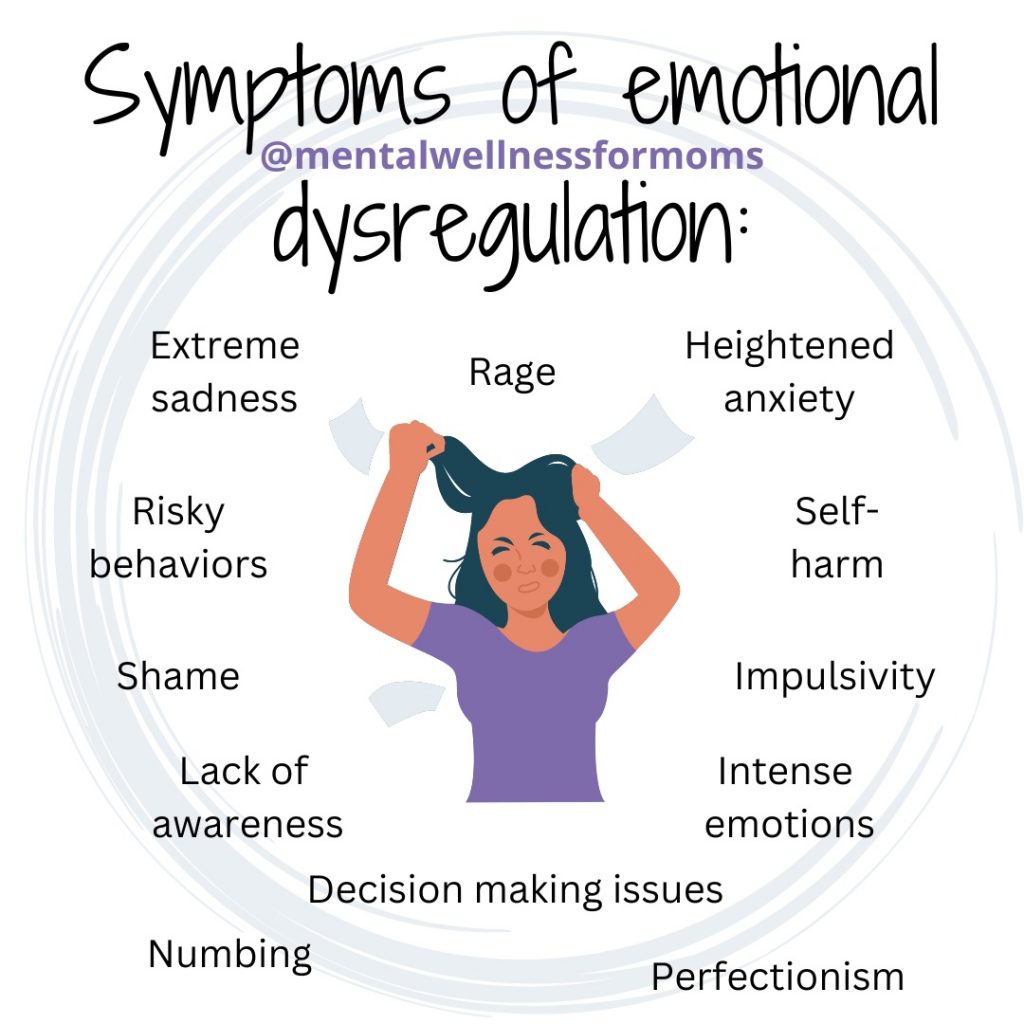
Victims of major data breaches often report symptoms that mirror those of mild trauma or chronic anxiety. Because the threat feels omnipresent yet invisible, the psychological toll can manifest in several distinct ways:
- Hypervigilance: Constantly refreshing credit reports, scrutinizing bank statements for cent-level discrepancies, and second-guessing every text message or email notification.
- A Sense of Impending Doom: A lingering, low-grade dread that the other shoe is about to drop—that tomorrow you will wake up to find your identity stolen or your private messages published.
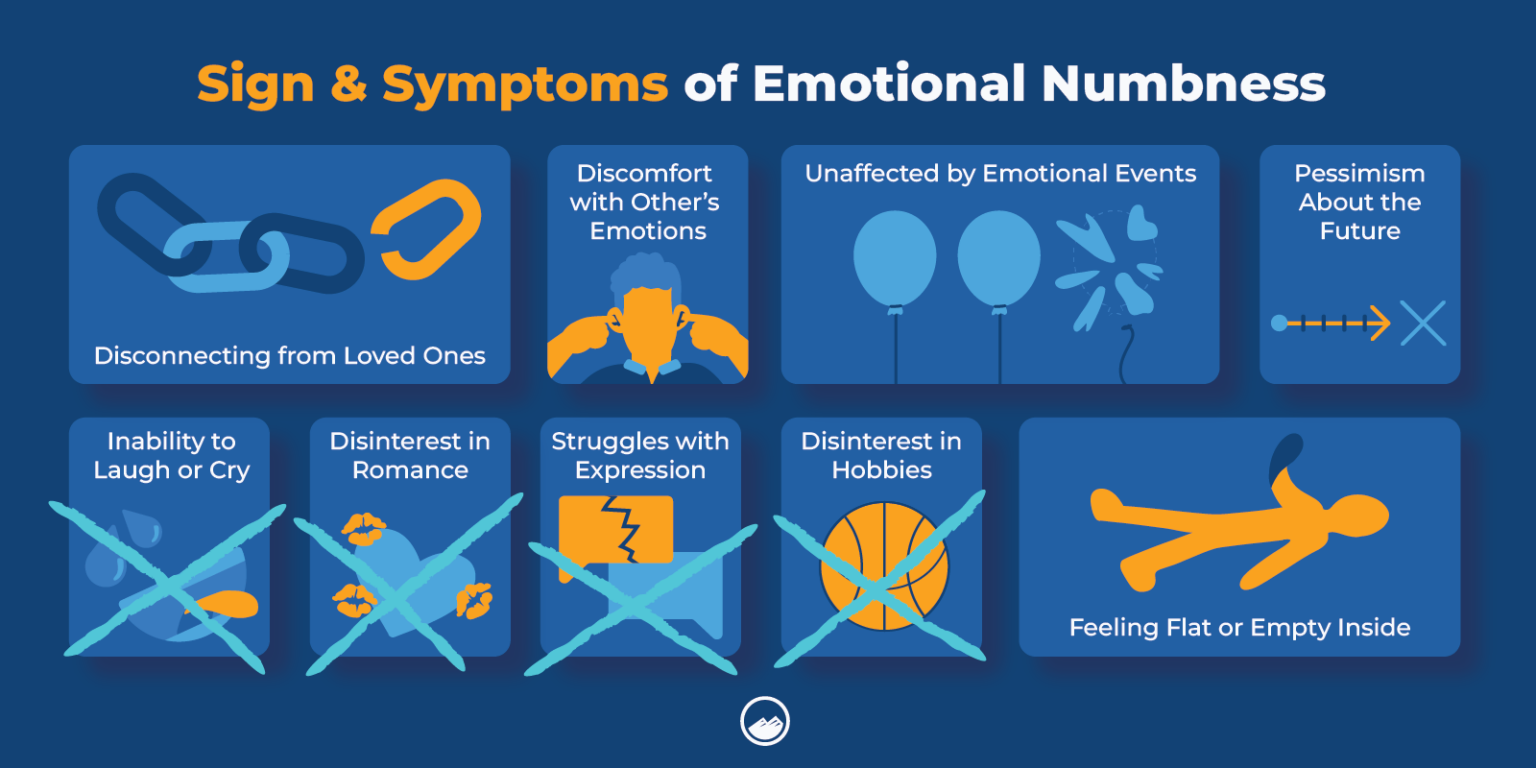
- Digital Apathy and Avoidance: Paradoxically, some victims swing the other way, refusing to check their accounts or open emails because doing so triggers a spike in panic.
- Shame and Self-Blame: Wondering if you could have done more, used a stronger password, or avoided clicking a specific link years ago.
Why Society Minimizes the Psychological Toll
One of the most frustrating aspects of recovering from a data leak is the lack of societal validation. Cybersecurity is framed in cold, hard metrics: millions of records exposed, billions of dollars lost to fraud, multi-factor authentication protocols implemented.
Because the metrics are clinical, the human cost is routinely minimized. If you tell a friend or family member that you are depressed or anxious because your data was leaked, you are likely to hear, "Did they steal your money? No? Then don't worry about it." This dismissal forces victims to suffer in silence, internalizing their anxiety because they feel foolish for mourning abstract data.
Video: She Used a Pocket Watch to Help the CEO Sleep! She Cured His 19-Year Insomnia, and He Fell Hard!

Reclaiming Your Peace: Steps Toward Emotional Recovery
Just as you implement cybersecurity hygiene to protect your accounts, you must deploy psychological hygiene to thaw the emotional chill. You cannot control corporate security failures, but you can manage your internal response to them.
1. Shift from Absolute Control to Probability Management
Perfectionism fuels anxiety. Many victims drive themselves mad trying to achieve absolute digital security, which is impossible in the modern age. Accept that some risk is outside your control. Shift your mindset from 'keeping hackers out forever' to 'minimizing damage and responding effectively if they return.' Think of security measures like wearing a seatbelt: it doesn't prevent every accident, but it dramatically improves your odds.
2. Establish Digital Boundaries
If hypervigilance is keeping your nervous system on high alert, you need to impose strict boundaries on your digital monitoring. Do not check your credit score or bank accounts multiple times a day. Set a specific, reasonable schedule—such as once a week—and stick to it. When you aren't in your designated review window, intentionally redirect your focus to physical, tactile activities that ground you in the real world.
3. Separate Identity from Data
Remind yourself that a leaked social security number, password, or address does not define your worth or compromise your core identity. Hackers have accessed files, not your character, your talents, or your resilience. The data is merely a string of characters; your life is lived offline in the present moment.
Moving Forward Without the Fear
The digital age requires us to navigate a landscape filled with invisible hazards. Experiencing anxiety after a breach does not make you weak; it makes you human. By acknowledging that the emotional chill is real, validating your own feelings, and setting firm boundaries around your digital life, you can move past the fear. The leak may be a permanent part of the modern digital record, but the anxiety it causes does not have to be a permanent part of your life.