Life in a Modern Suburban Household: Trends & Realities
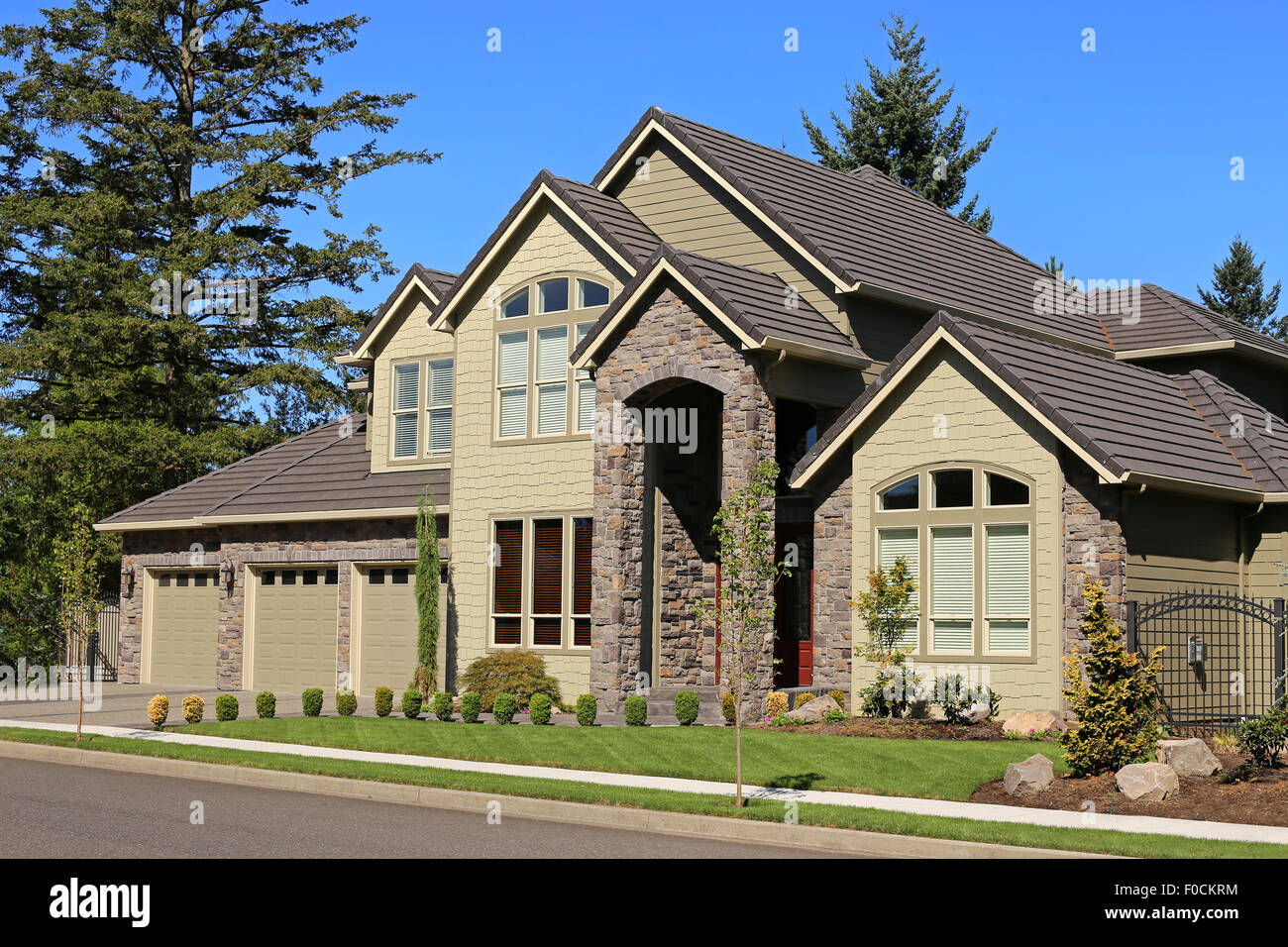
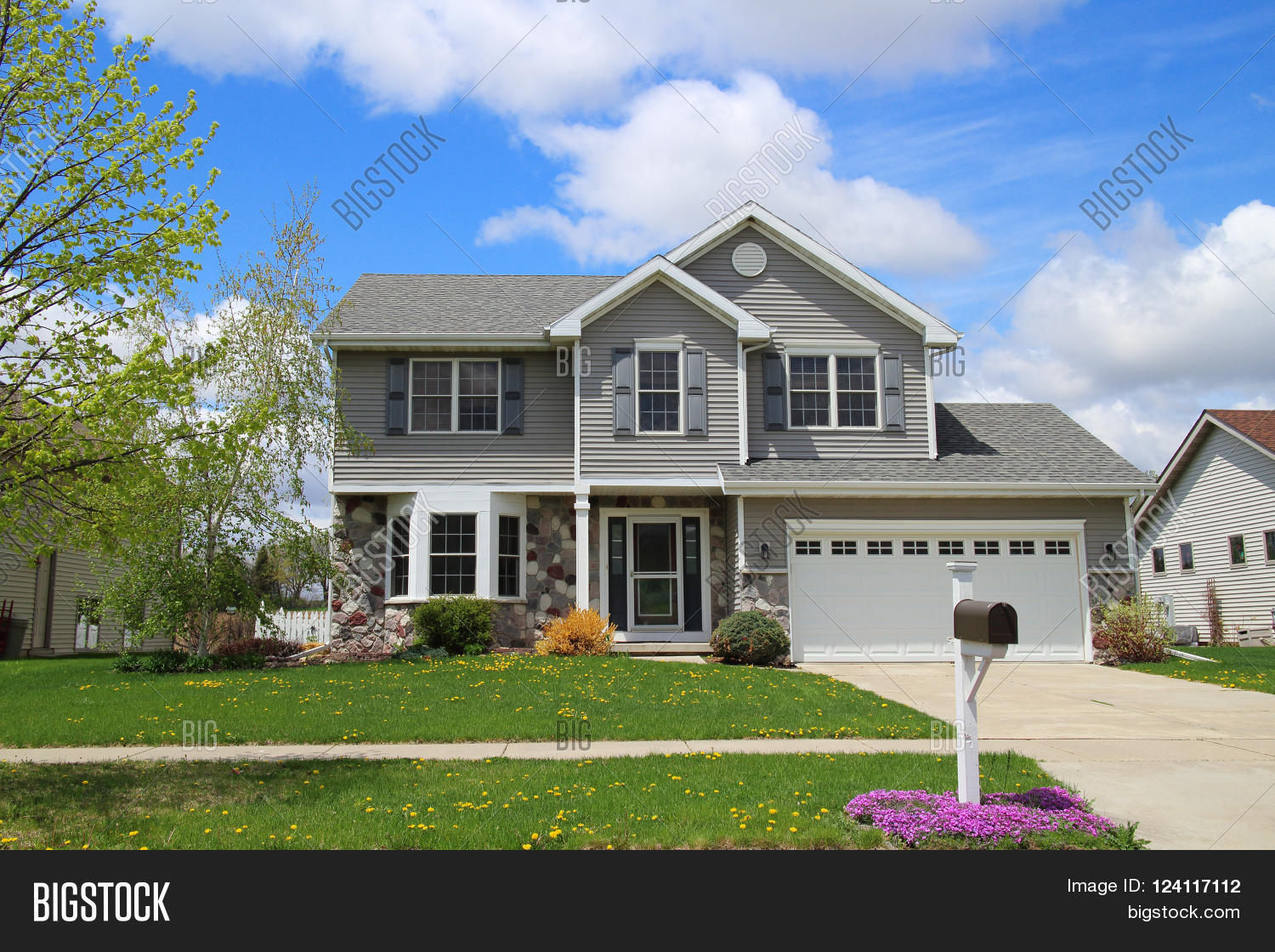
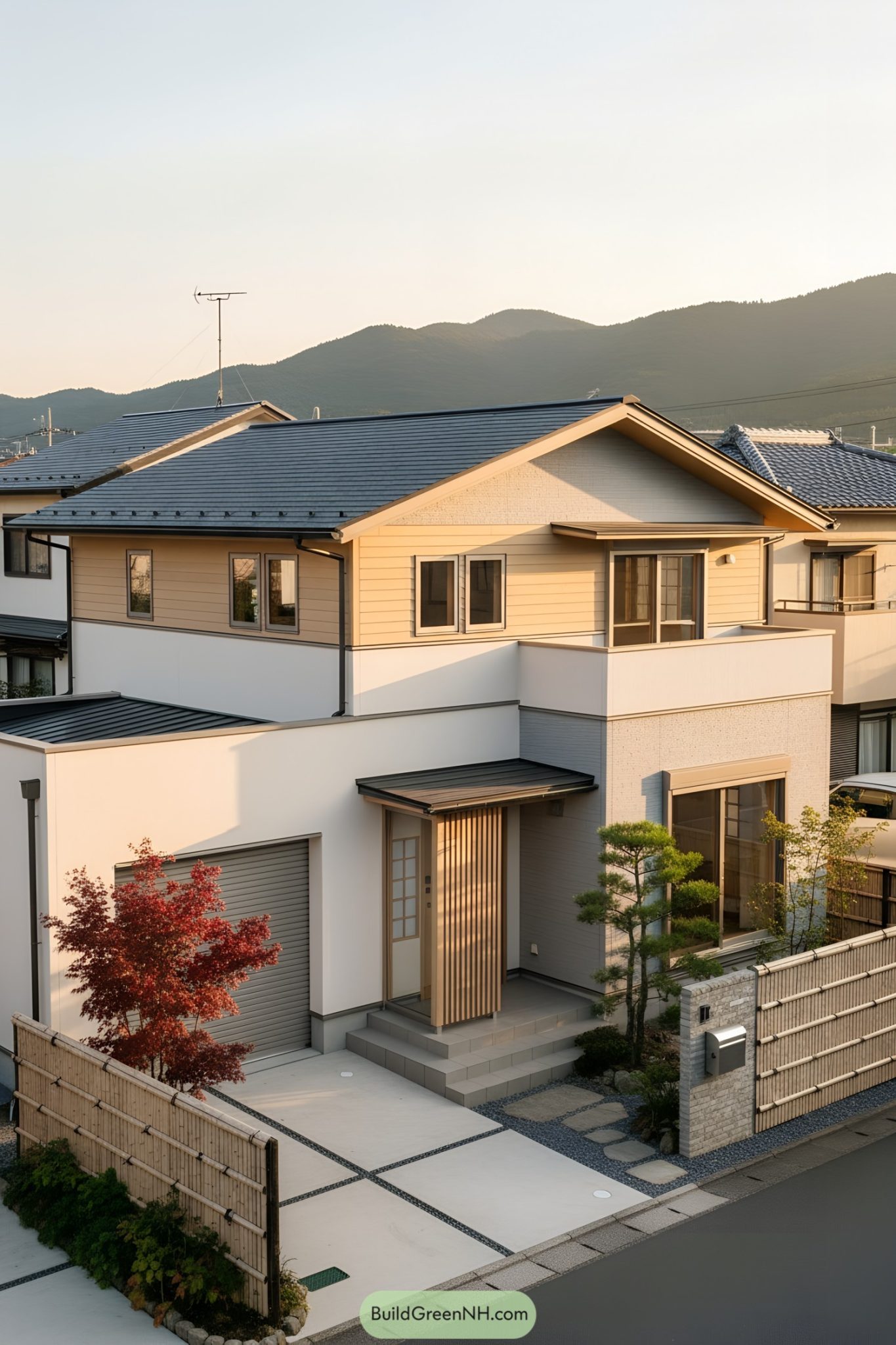
For decades, the image of a suburban household has been synonymous with green lawns, white picket fences, and a daily commute into the bustling city. However, the definition of suburbia is undergoing a massive transformation. Driven by technological advancements, shifting economic realities, and a post-pandemic desire for flexibility, modern suburban life looks vastly different than it did thirty or even ten years ago.
The Evolution of the Suburban Household
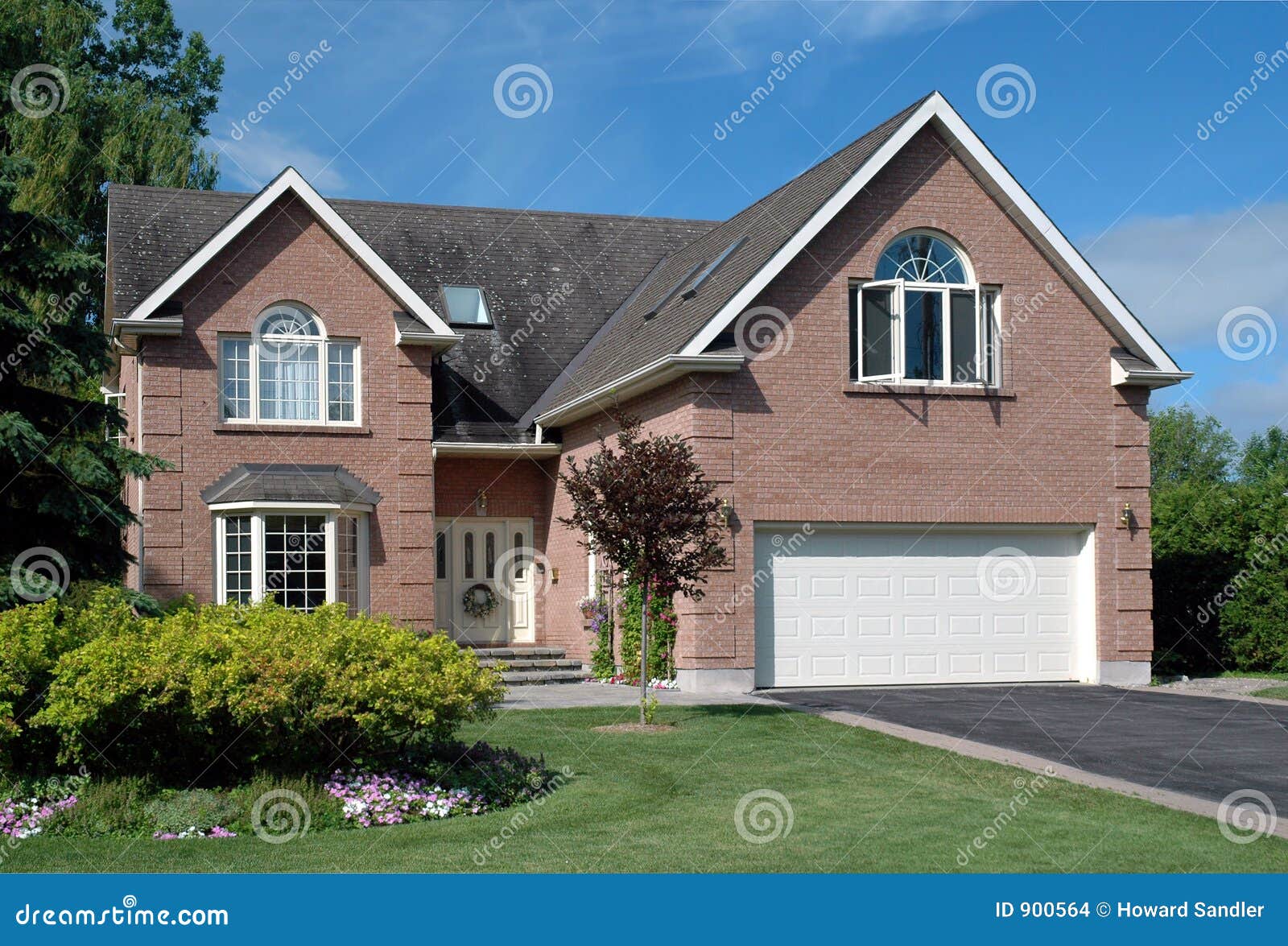
Historically, the suburbs served primarily as residential bedroom communities. The breadwinners traveled to urban centers for work, while families stayed home to manage local errands, schooling, and neighborhood socialization. Today, this traditional dynamic has been largely upended.
The rise of remote and hybrid work models means that many adults are staying home during the traditional workday. This shift has altered neighborhood dynamics entirely. Midday traffic is no longer nonexistent; instead, local coffee shops are packed with remote workers, and residential streets see delivery trucks navigating cul-de-sacs at all hours. The home is no longer just a place to sleep and eat—it is an office, a school, and a leisure center combined.
Economic Pressures and Realities
While the allure of more square footage and better public school districts continues to draw families outward, managing a suburban household comes with distinct financial considerations. Buyers today must balance the desire for space against the realities of rising property taxes, maintenance costs, and transportation expenses.
Housing and Utility Costs
Owning a detached single-family home requires significant upkeep. Unlike apartment living, where maintenance is handled by landlords, suburban homeowners are wholly responsible for roof repairs, HVAC servicing, and lawn care. Furthermore, larger square footage generally translates to higher utility bills, forcing households to invest in energy-efficient upgrades like solar panels, smart thermostats, and double-paned windows to keep monthly costs manageable.
Transportation and Car Dependency
By design, suburbs are less dense than urban centers. This spatial layout creates a reliance on automobiles. Many households find themselves needing multiple vehicles to ferry children to extracurricular activities, commute to occasional in-office jobs, and run weekly grocery errands. Fuel costs, vehicle insurance, and routine maintenance form a substantial percentage of the typical household budget.

Community and Lifestyle Dynamics
Despite the challenges of car dependency and home maintenance, the community aspect remains a major draw. A typical suburban household often finds a strong sense of localized connection that is harder to replicate in high-density urban apartment buildings.
- Neighborhood Engagement: Block parties, Halloween trick-or-treating, and impromptu gatherings in driveways foster a tight-knit community feel.
- Access to Nature: Proximity to parks, hiking trails, and community pools offers daily opportunities for outdoor recreation and wellness.
- School Systems: Access to dedicated school districts often serves as the primary catalyst for families making the move from city to suburb.
The Shift Toward Sustainability and Self-Sufficiency
Modern suburbanites are increasingly looking for ways to make their properties more self-sufficient and environmentally friendly. This trend goes beyond basic recycling programs; households are actively reshaping their properties to reduce their carbon footprint and enhance food security.
Gardening and Local Food Production
Backyard vegetable gardens and backyard chicken coops have surged in popularity. Raising a small flock of laying hens or planting raised beds of tomatoes, herbs, and leafy greens allows families to connect directly with their food sources while teaching children valuable lessons about sustainability.
Smart Home Technology
Energy management is a priority for the contemporary homeowner. Smart irrigation systems that adjust watering schedules based on local rainfall, automated LED lighting, and high-efficiency heat pumps help modern households minimize waste while lowering long-term operational costs.
Conclusion
The modern suburban household is far more dynamic and adaptable than its mid-century predecessor. By blending the classic appeal of community, space, and outdoor access with modern innovations in remote work, energy efficiency, and sustainability, suburbia continues to reinvent itself. For those willing to navigate the unique challenges of maintenance and transportation, life outside the urban core offers a rewarding balance of flexibility and community connection.