Light vs Brown Sugar: What's the Real Difference?
Introduction
Standing in the baking aisle, staring at rows of beige bags, you might wonder: what is the difference between light and brown sugar? At first glance, they look remarkably similar, and both are staples in kitchens worldwide for making cookies, cakes, and glazes. However, choosing the wrong one can subtly change the flavor, texture, and color of your favorite baked goods.
While both varieties are fundamentally refined white sugar mixed with cane molasses, the ratio of that molasses is what sets them apart. Understanding how these sugars differ will give you more control over your culinary creations and help you troubleshoot recipes with confidence.
The Core Composition: What Are They?
To understand brown sugar in all its forms, it helps to look at how it is made. Historically, brown sugar was simply an intermediate step in the sugar-refining process—raw sugar crystals that still retained some of their natural molasses. Today, however, almost all commercial brown sugar is manufactured by taking refined white granulated sugar and thoroughly blending back a specific amount of sugarcane molasses.
Because both light and dark brown sugars start with the same refined base, their calorie counts, carbohydrate profiles, and sweetness levels are virtually identical. The variations come down entirely to the quantity of molasses added.
Light vs Brown Sugar: Key Differences
When bakers refer to "brown sugar," they usually mean light brown sugar, as it is the most common variety found in standard recipes. However, dark brown sugar is equally important. Here is a breakdown of how they compare:
1. Molasses Content
The primary distinction between the two is the percentage of molasses they contain:
- Light Brown Sugar: Typically contains about 3.5% molasses by total weight.
- Dark Brown Sugar: Contains roughly 6.5% to 10% molasses by total weight.
2. Flavor Profile
Because molasses imparts a distinct caramel-like, slightly bitter, and robustly sweet flavor, the difference in quantity directly impacts taste.
Light brown sugar offers a mild, subtle hint of caramel. It adds sweetness and a gentle warmth without overpowering other delicate flavors in a recipe, such as vanilla or spices.
Dark brown sugar delivers a much deeper, richer, and more pronounced molasses kick. It has a slight tang and a taste reminiscent of toffee or gingerbread. If you love robustly flavored baked goods, dark brown sugar is the clear winner.
3. Color and Appearance
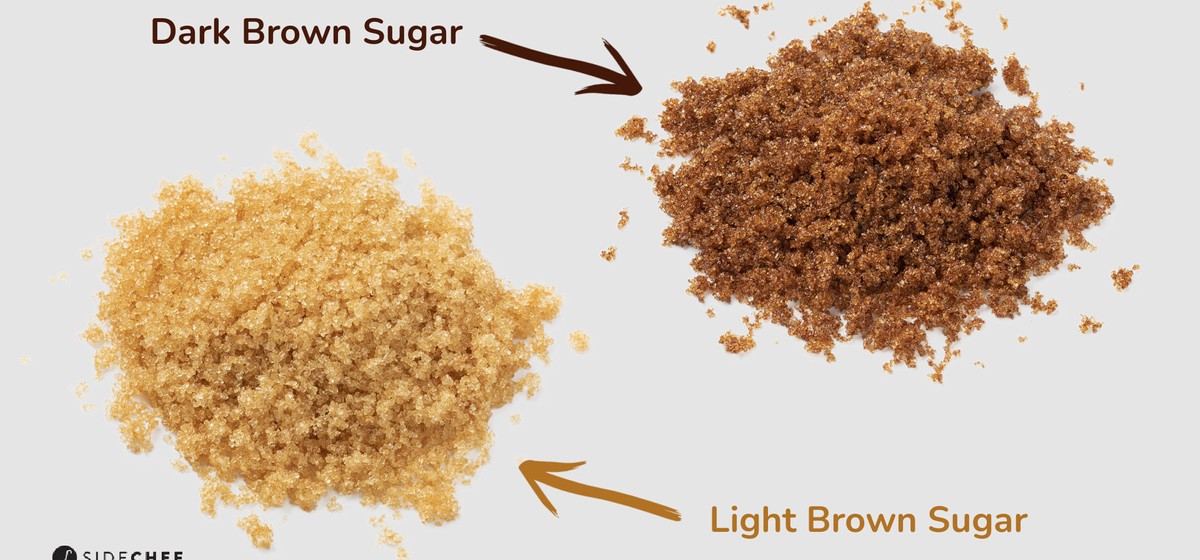
The visual difference is obvious upon opening the package. Light brown sugar has a golden-tan hue, resembling wet sand. Dark brown sugar is significantly darker, often looking deep bronze or mahogany due to the heavier coating of dark syrup.
4. Moisture Content

Molasses is a liquid syrup, which means sugars with higher molasses content retain more moisture. Dark brown sugar is noticeably heavier, clumpier, and more moist than light brown sugar. This extra moisture plays a critical role in baking chemistry.
How They Affect Your Baking
The differences in moisture, acidity, and flavor mean that light and dark brown sugar do not always yield identical results in the oven.
Texture and Spread
Because dark brown sugar contains more moisture, cookies baked with it tend to be softer, chewer, and thicker. Light brown sugar still provides chewiness compared to pure white granulated sugar, but cookies made with it may spread a bit more and have slightly crisper edges.
Acidity and Leavening
Molasses is naturally slightly acidic. While neither sugar is acidic enough to curdle dairy on its own, dark brown sugar contains enough acid to react slightly more with alkaline leavening agents like baking soda. This reaction can help cookies rise just a fraction more and encourages a deeper brown crust through the Maillard reaction.
Can You Substitute One for the Other?
In most everyday home baking scenarios, light and dark brown sugar are easily interchangeable. If a recipe calls for light brown sugar and you only have dark brown sugar in your pantry, go ahead and use it. Your cookies or muffins will turn out delicious, though they may have a slightly richer, more caramel-forward flavor.
Similarly, if you need light brown sugar and only have dark, you can swap them without ruining the structural integrity of your bake. However, keep these caveats in mind:
- Delicate flavors: In a delicate vanilla cake or shortbread, dark brown sugar might overpower the intended flavor profile.
- Color-sensitive recipes: If you are making a light-colored blondie or frosting where color matters, dark brown sugar will darken the final aesthetic significantly.
Quick DIY Fix: Making Brown Sugar at Home
If your brown sugar has run out entirely, you do not necessarily need to run to the store. You can easily make your own light brown sugar at home using two basic pantry staples:
- Measure out one cup of white granulated sugar.
- Add one tablespoon of unsulfured molasses for light brown sugar (or two tablespoons if you want dark brown sugar).
- Mix thoroughly with a fork or pulse briefly in a food processor until the molasses is evenly distributed and no lumps remain.
How to Store Brown Sugar Properly
Both light and dark brown sugar share a notorious trait: they dry out and turn into hard rocks very quickly when exposed to air. To keep your sugar soft and usable:
- Transfer opened bags into airtight plastic containers or ziplock bags.
- Include a specialized terra cotta brown sugar saver (soaked in water first), a slice of fresh white bread, or a few marshmallows inside the container. The sugar will absorb the excess moisture and stay soft for months.
Conclusion
Ultimately, knowing the difference between light and dark brown sugar comes down to molasses. Light brown sugar offers a milder, sweeter profile with less moisture, while dark brown sugar brings a bold, robust molasses flavor and extra moisture that creates ultra-chewy textures. While you can substitute one for the other in a pinch, choosing the specific type recommended in a recipe ensures your baked goods achieve their absolute best flavor and texture.