Little Quick Fire Hydrangea Pruning: The Ultimate Guide
Panicle hydrangeas are beloved by gardeners for their hardiness, reliable flowering, and stunning color transitions. Among the most popular compact varieties is the 'Little Quick Fire', a dwarf selection that packs a massive punch in smaller landscape spaces. However, to keep this shrub thriving and producing its signature lacecap blooms year after year, proper maintenance is essential. Mastering little quick fire hydrangea pruning ensures your plant remains compact, healthy, and loaded with flowers every single season.
Unlike old-wood-blooming hydrangeas that require careful timing, panicle hydrangeas like Little Quick Fire bloom on "new wood"—the growth that emerges in the current spring. This makes the pruning process far more forgiving and straightforward for both beginner and seasoned gardeners.
Understanding the Little Quick Fire Hydrangea
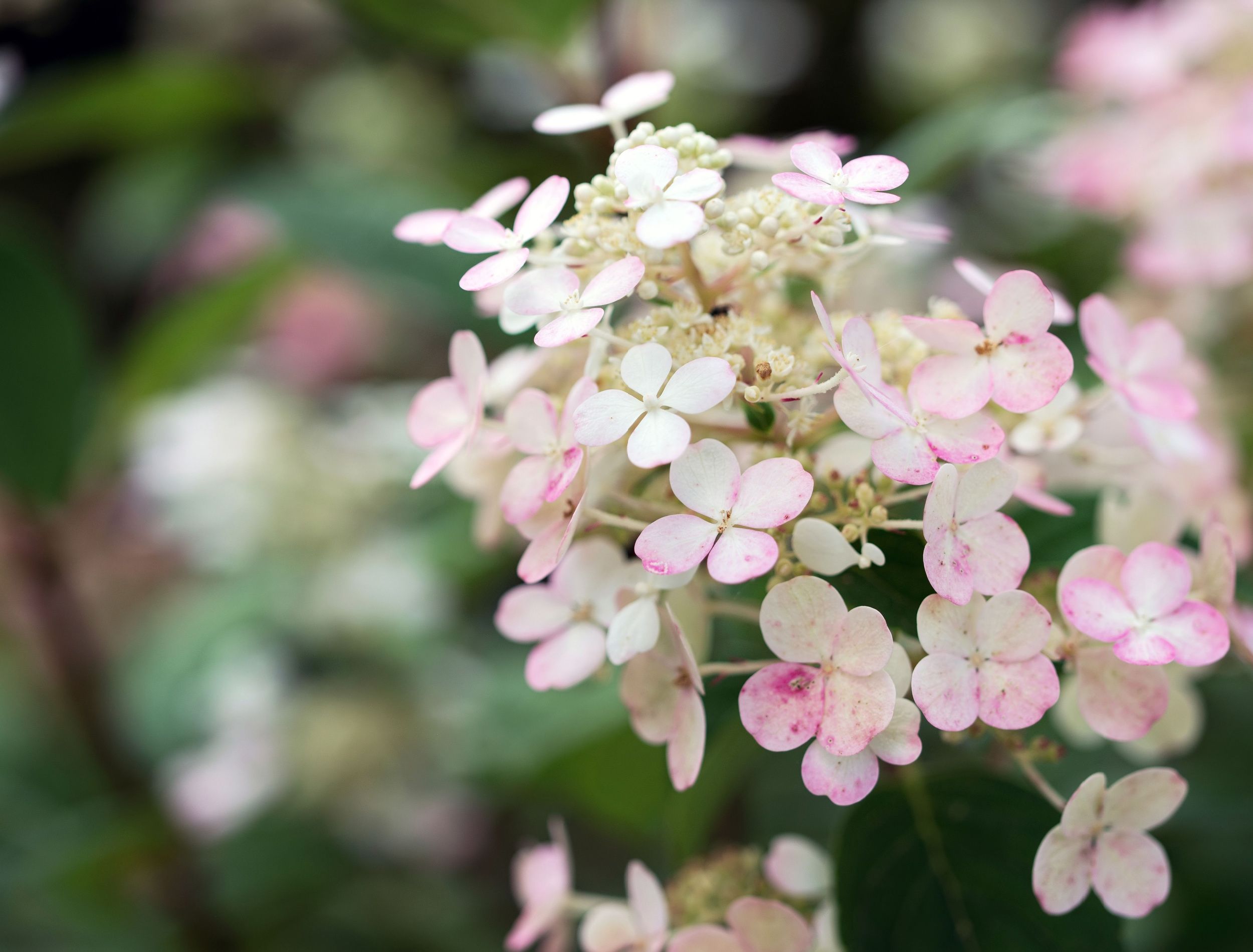
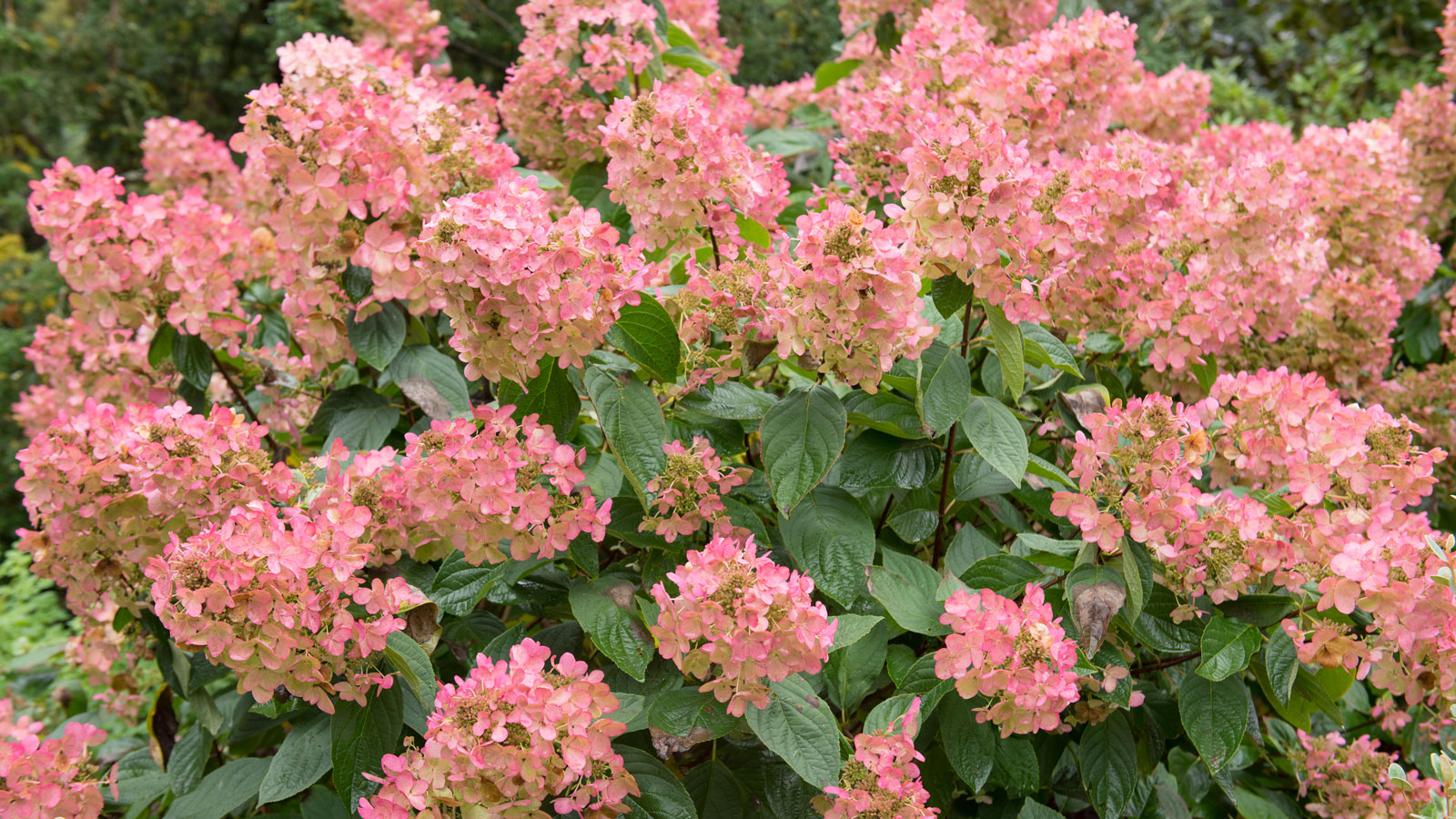
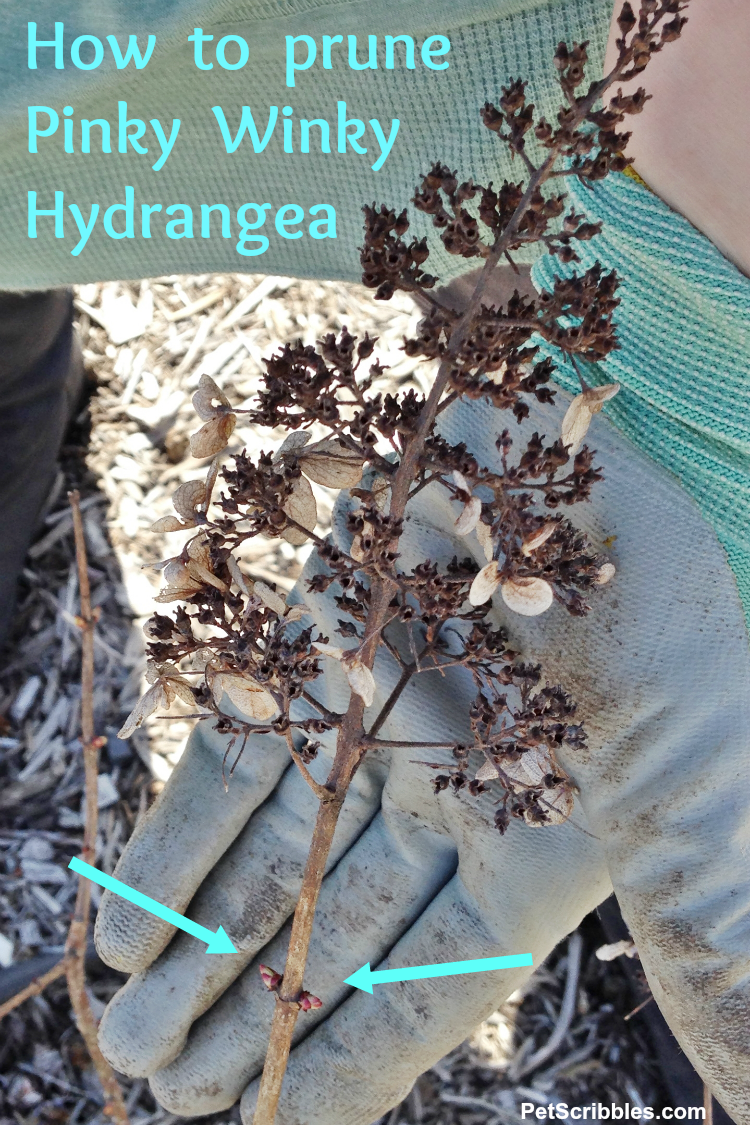
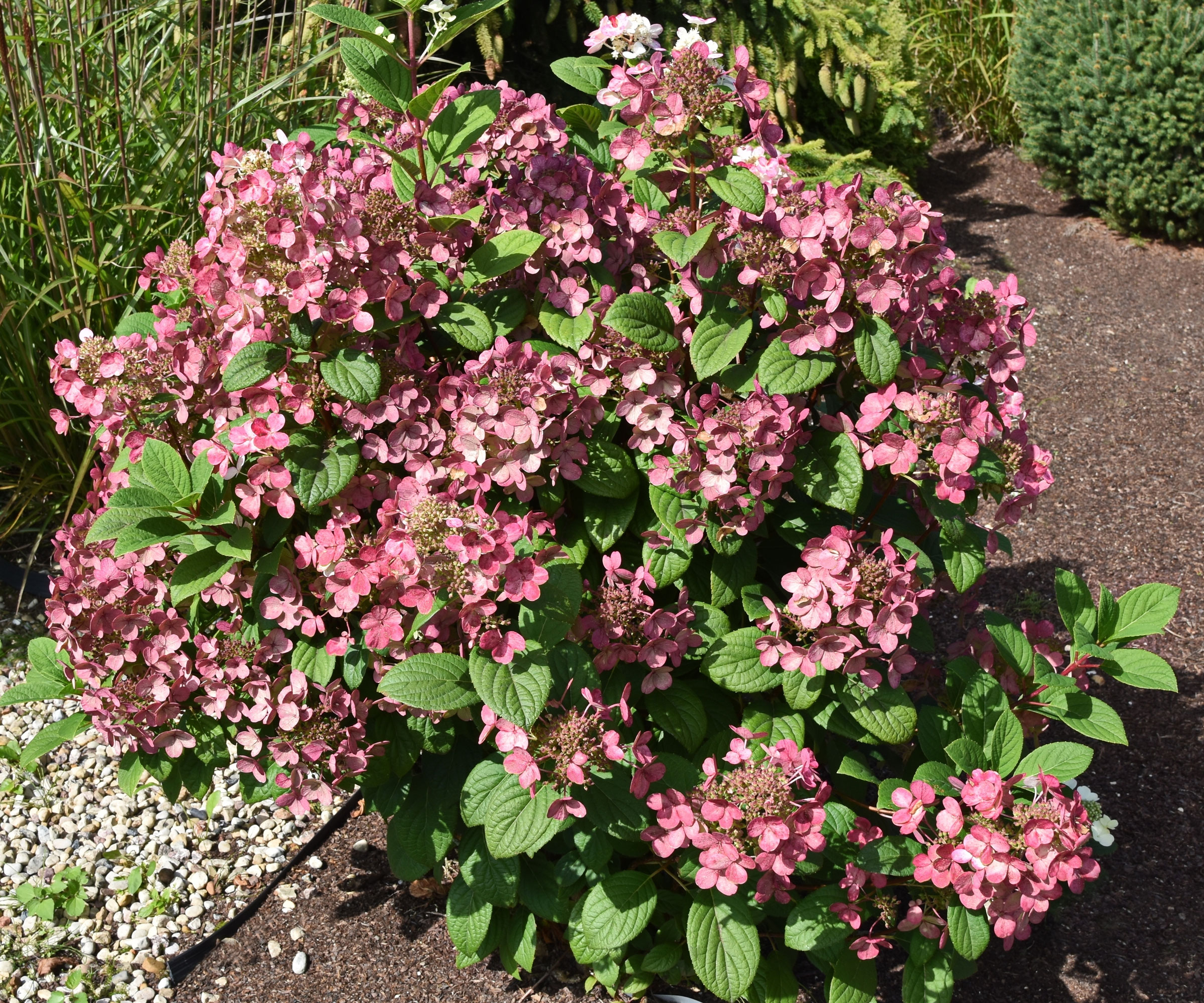
Before grabbing your shears, it helps to understand the growth habit of *Hydrangea paniculata* 'Little Quick Fire'. Reaching a mature height and width of about 3 to 5 feet, this dwarf cultivar is significantly smaller than the standard 'Quick Fire' or 'Limelight' varieties. It blooms up to a month earlier than other panicle hydrangeas, starting in early summer with white florets that gradually age to a rich, rosy pink.
Because it produces flowers on new stems, it forms its flower buds in the spring rather than the previous summer or fall. This biological trait dictates both the ideal window for pruning and the techniques you should use to shape the shrub.
Best Time for Little Quick Fire Hydrangea Pruning
Timing is everything in gardening. While you can technically prune panicle hydrangeas at a few different times, choosing the optimal window protects the plant's health and guarantees a heavy bloom display.
Late Winter to Early Spring
The absolute best time for little quick fire hydrangea pruning is in late winter or early spring before new growth begins. In most regions, this falls between February and early April.
Pruning during dormancy offers several major advantages:
- Clear visibility: Without leaves obscuring the branches, you can easily see the overall framework of the shrub and spot crossing or dead stems.
- Energy direction: Trimming before spring wakes the plant up ensures that all of its stored energy goes into producing strong, new, flower-bearing shoots.
- Winter interest: Leaving the dried flower heads on the plant through fall and winter provides visual appeal in an otherwise dormant garden.
Can You Prune in Summer or Fall?
Avoid pruning in late spring once the plant has begun to push out new green growth, as you may accidentally cut off developing flower buds. Summer pruning should be strictly limited to removing dead, diseased, or broken branches. Similarly, avoid heavy pruning in the fall, as unseasonably warm spells can trigger new growth that will easily freeze and damage the shrub.
Step-by-Step Pruning Guide

Equipped with a pair of sharp, clean bypass pruners and thick gardening gloves, you are ready to tackle the job. Follow these simple steps for a professional result:
- Sanitize your tools: Wipe your pruning shears down with rubbing alcohol or a household disinfectant to prevent spreading plant diseases.
- Remove the 3 Ds (Dead, Damaged, and Diseased): Start by cutting away any wood that is completely dead, snapped from winter snow loads, or showing signs of disease and fungal spotting. Cut these branches back to healthy wood or all the way to the base.
- Clear out weak growth: Thin out the interior of the shrub by removing very thin, weak stems that crisscross one another. Good air circulation inside the canopy keeps the plant healthy and prevents pests.
- Cut back the main framework: Reduce the overall size of the shrub by cutting back the remaining stems by roughly one-third to one-half of their height. Always make your cuts just above a set of healthy, outward-facing leaf buds (nodes).
- Shape for balance: Step back periodically to check the symmetry of the shrub. Aim for a rounded, natural shape that fits your landscape design.
Alternative Pruning: The "Framework Method"
If you prefer a taller, more substantial hedge or a specimen plant with thicker, tree-like stems, you can utilize the structural framework method over time.
Instead of cutting the shrub back by a third every year, you allow the main structural woody branches to grow thicker and taller year after year. Each spring, you simply prune back the previous year's new growth to just 1 or 2 buds above the permanent framework. This results in a slightly taller plant with exceptionally thick stems capable of holding up massive, heavy flower heads without drooping.
Post-Pruning Care and Maintenance
Once your little quick fire hydrangea pruning session is complete, a little bit of TLC will help the shrub bounce back vigorously in spring.
- Clean up debris: Rake up and dispose of all fallen leaves and pruned branches from around the base of the plant to deter overwintering pests and fungal spores.
- Apply mulch: Spread a 2-to-3-inch layer of organic mulch, such as shredded bark or compost, around the root zone. Keep the mulch a few inches away from the actual stems to prevent rot.
- Water adequately: Panicle hydrangeas appreciate consistent moisture. Ensure the shrub receives about an inch of water per week, either from rainfall or manual irrigation, especially during the active growing season.
- Fertilize wisely: Apply a balanced, slow-release granular fertilizer formulated for flowering shrubs in early spring just as new growth begins to emerge. Avoid high-nitrogen fertilizers, which promote excessive green leaf growth at the expense of blooms.
Troubleshooting Common Pruning Mistakes
Even experienced gardeners occasionally misjudge a cut. Here is how to handle common slip-ups:
If you accidentally cut a main branch too short, do not panic. Because Little Quick Fire is vigorous and blooms on new wood, it will almost certainly push out new shoots from lower nodes to compensate.
If you neglect pruning altogether for a few years, the shrub may become woody at the base, leggy, and sparse near the bottom. You can easily rejuvenate an overgrown panicle hydrangea by practicing "renewal pruning" in early spring—cutting the entire shrub down to about 6 to 12 inches from the ground. While you will forfeit flowers that first summer, the plant will flush out aggressively and return better than ever the following year.
Conclusion
Caring for compact panicle hydrangeas is remarkably stress-free when you know the rules. By committing to an annual routine of late-winter or early-spring little quick fire hydrangea pruning, you encourage sturdy stems, prevent flopping, and maximize your floral display. Grab your shears with confidence, shape your shrub, and get ready for a stunning summer show of white and pink blooms.