Livvy Dunne Leaked: Our Secret Fear of Digital Exposure
Understanding the Panic Behind Digital Exposure

In the modern age of hyper-connectivity, few phrases strike as much immediate curiosity—and dread—as the rumor of a high-profile data breach. When rumors surrounding a Livvy Dunne leaked file or image begin circulating across social media platforms like TikTok, X (formerly Twitter), and Reddit, they instantly capture millions of search queries. But what drives this relentless search behavior? Beyond mere celebrity gossip, these viral moments tap into a deeper, much more universal modern phobia: the terror of losing control over one's personal digital footprint.
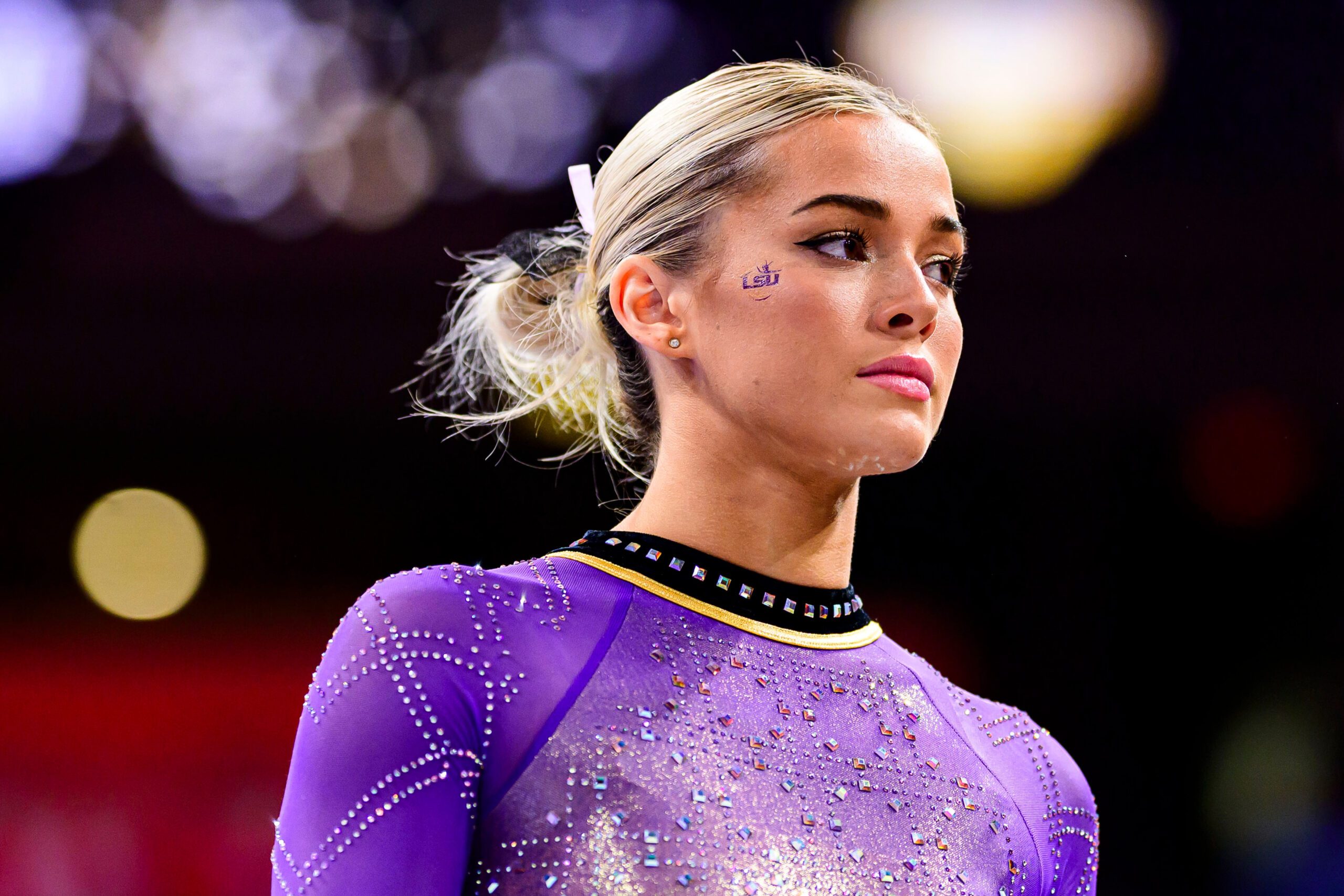
Olivia Dunne, the LSU gymnast and massive social media influencer, lives her life largely in the public eye. Yet, like millions of ordinary citizens, the boundary between her public persona and private reality is something she fiercely guards. When bad actors exploit that boundary, or when false rumors create the illusion of a breach, it triggers a societal nerve. We aren't just looking at a news story; we are staring into a mirror that reflects our own digital vulnerability.
The Anatomy of a Viral Privacy Scare
Internet rumors rarely materialize out of nowhere. They are usually manufactured or amplified by algorithms designed to reward sensationalism. When users type search queries related to a Livvy Dunne leaked incident, they are often walking into a trap set by clickbait farms, phishing scams, or malicious actors seeking to monetize curiosity.
How Misinformation Spreads Online
The lifecycle of a digital privacy scare follows a predictable, highly destructive pattern:
- The Spark: A baseless rumor, a heavily edited photograph, or an AI-generated deepfake is posted on an obscure forum.
- The Amplification: Bot networks and engagement-farmers repost the claim, using trending hashtags to game platform algorithms.
- The Search Surge: Millions of curious or concerned users flood search engines, ironically pushing the false terms to the top of trending lists.
- The Exploitation: Malicious websites disguise themselves as sources for the requested media, aiming to steal user data or infect devices with malware.
Understanding this cycle helps demystify why these trends happen, proving that the existence of a search trend says far more about internet manipulation than it does about reality.
Why Digital Privacy Is Everyone's Secret Fear
Video: Livvy Dunne Breaks Down: Stalked by Men at Airports, Fears for Safety

The intense public reaction to privacy scares involving public figures highlights a quiet, pervasive anxiety shared by everyday internet users. Most people do not live under a microscope like a Division I athlete with millions of followers. However, nearly everyone has a smartphone camera roll, private message histories, and cloud accounts containing sensitive information.
This creates a profound psychological phenomenon: empathy through shared vulnerability. When we see a prominent figure targeted by invasive rumors or real data breaches, we subconsciously ask ourselves a terrifying question: If it can happen to someone with resources and visibility, what is protecting me?
The Rise of AI and Deepfake Technology
The fear of exposure has evolved dramatically over the last few years due to advancements in artificial intelligence. Today, bad actors do not even need to hack a private device to manufacture a compromising situation. Generative AI tools can create hyper-realistic fake images and videos within minutes. This technological shift has transformed digital exposure from a risk of poor cybersecurity into an unavoidable hazard of living in a digitized society. Anyone's likeness can now be weaponized, making the fear of a fake leak a universal modern burden.
Practical Steps to Protect Your Digital Life
While the threat landscape feels overwhelming, you are not powerless. Securing your digital presence requires proactive habits that significantly reduce your vulnerability to hacks, leaks, and doxxing.
- Implement Robust Authentication: Enable two-factor authentication (2FA) across all email, social media, and financial accounts. Whenever possible, use authenticator apps rather than SMS-based codes, which are susceptible to SIM-swapping.
- Audit Your Cloud Storage: Regularly check which applications have permissions to access your photos, contacts, and location data. Delete old backups and unverified apps.
- Practice Digital Hygiene: Never click on unverified links promising exclusive or sensational content. These are almost exclusively social engineering tactics designed to compromise your credentials.
- Understand Platform Privacy Settings: Lock down your social media profiles. Restrict who can view your friend lists, tagged photos, and personal information.
Moving Beyond the Clickbait Culture
The fascination with scandals and leaks is as old as media itself, but the digital age has weaponized this curiosity. When we chase sensational headlines or search for unverified rumors, we inadvertently fuel an economy that thrives on the erosion of privacy. By shifting our focus toward digital literacy, cybersecurity, and empathy for those targeted by online harassment, we can help dismantle the toxic culture of digital voyeurism. Ultimately, protecting privacy isn't just about safeguarding files—it's about preserving human dignity in an increasingly transparent world.