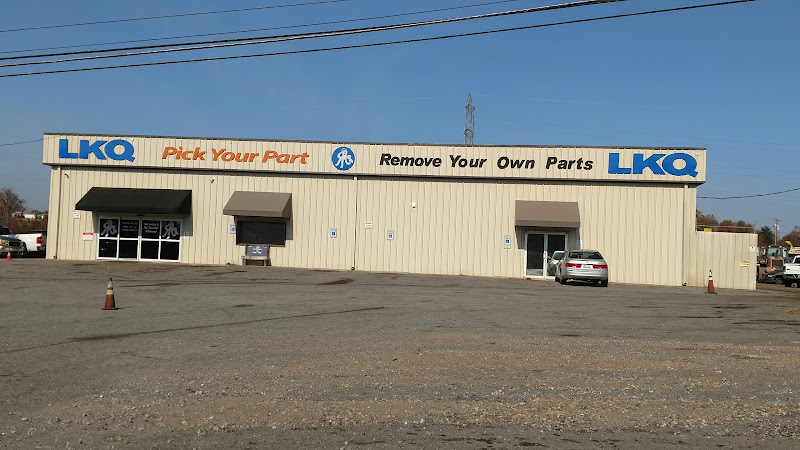
LKQ Pick Your Part Greenville SC: Yard Guide
Finding affordable replacement components for your vehicle can feel daunting, but salvage yards make auto repair accessible for everyday drivers and seasoned mechanics alike. If you live in the Upstate of South Carolina, LKQ Pick Your Part Greenville SC serves as one of the area's premier destinations for sourcing low-cost, original equipment manufacturer (OEM) auto parts. Whether you need an alternator for an aging commuter car, a replacement tail light, or hard-to-find body panels for a project truck, pulling parts yourself can easily save you 70% or more compared to dealership or retail prices.

Navigating a self-service salvage yard requires preparation, safety awareness, and an understanding of how the facility operates. This guide covers everything you need to know before visiting the Greenville yard, from checking current stock to pulling components efficiently.
How LKQ Pick Your Part Greenville SC Works
Unlike a traditional auto recycler where staff members remove and warehouse individual components, LKQ Pick Your Part operates on a self-service business model. The yard sits on a sprawling outdoor lot organized roughly by vehicle make, domestic versus foreign, and vehicle class (such as trucks, SUVs, and passenger cars).
The standard process follows these straightforward steps:
- Admission: You arrive at the front office, pay a nominal entry fee (typically around $3 to $4), and present a valid photo ID. Customers must generally be at least 16 years old to enter.
- Tool Inspection: Yard staff may quickly inspect your toolboxes to verify you are not bringing prohibited items, such as torches or jacks.
- Yard Entry: You walk into the yard, find the target vehicle, and safely remove the parts yourself using your own tools.
- Checkout: Bring your pulled parts back to the cashier counter. Parts are charged based on standardized, flat-rate pricing rather than the vehicle's specific make or market value.
Checking Inventory Before You Make the Drive
Because salvage yard stock shifts daily as new donor vehicles arrive and picked-over shells are sent to the crusher, you should never make the drive to Old Pelzer Road without first consulting the online inventory.
Using the Online Search Tool
LKQ updates its digital inventory on a rolling basis. You can search by year, make, and model to see how many matching vehicles are currently on the lot, along with the date each vehicle entered the yard. Pay close attention to the "Date on Yard" metric. Vehicles placed on the lot within the past 48 to 72 hours hold the highest probability of having intact high-wear components like alternators, catalytic-adjacent exhaust parts, headlights, and pristine interior pieces.
Setting Inventory Alerts
If you drive an uncommon trim or a vehicle generation with short production runs, create a free LKQ account and set up vehicle alerts. You will receive an automated text or email the moment a matching vehicle is cataloged at the Greenville facility. In the competitive world of auto salvage, being the first person to turn a wrench on a fresh arrival often makes the difference between scoring a mint component and finding a stripped chassis.
Yard Rules and What Tools to Bring
Preparation is everything at a self-service salvage yard. Because you cannot return to the store if you forget a specific socket, packing a thoughtful, portable tool kit is essential.
Required Dress Code and Safety Gear
- Sturdy, closed-toe footwear: Work boots with puncture-resistant soles are strongly recommended. Sneakers offer little protection against shattered glass, sharp sheet metal, and loose gravel. Sandals and flip-flops are strictly prohibited.
- Heavy-duty work gloves: Leather or cut-resistant composite gloves protect your hands from jagged metal edges, battery acid residue, and rust.
- Eye protection: Safety glasses are critical when unfastening rusted undercarriage bolts overhead or tapping components loose.
Permitted vs. Prohibited Tools
LKQ supplies heavy lifting equipment inside the yard—typically overhead A-frame cranes or rolling hoists to haul engines and transmissions—along with wheelbarrows to move heavy components. However, you must supply your own hand and cordless power tools.
- Allowed: Hand ratchets, wrenches, breaker bars, pry bars, battery-powered cordless impacts, screwdrivers, pliers, small hacksaws, and manual wire cutters.
- Prohibited: Flame-cutting torches, grinders, gas-powered tools, and traditional hydraulic jacks (vehicles are already elevated on welded safety stands made from steel wheels).
Smart Tool Kit Additions
To avoid getting stuck halfway through pulling an alternator or suspension strut, pack these high-utility items:
- A can of penetrating oil (like PB Blaster or WD-40 Specialist) to break free seized Upstate road grime and rusted fasteners.
- A 1/2-inch drive cordless impact wrench and a sturdy 24-inch breaker bar.
- A pocket flashlight or magnetic headlamp to illuminate dark engine bays and under-dash wiring harness clips.
- A 12-volt jump pack or small cordless tool battery adapter if you need to roll down power windows or cycle electric door locks to access internal door hardware.
Strategies for Pulling Quality Parts

Taking parts off a salvage vehicle requires a slightly different mindset than repairing your own car in a driveway. Use these field-tested tactics to maximize your haul:
Know Your Interchangeability
Do not restrict your search strictly to your vehicle's exact model and year. Many automotive platforms share identical engines, transmissions, sensors, and interior modules across multiple brands and model years. For instance, parts from a Chevrolet Tahoe frequently cross over to the Silverado, Suburban, and GMC Yukon. Research parts interchange codes or consult an online enthusiast forum before visiting so you have multiple donor targets on the lot.
Inspect Before You Unbolt
Always inspect the donor vehicle's mileage, overall wear, and reason for arrival. If a car ended up in the salvage yard due to a severe rear-end collision, chances are the engine, front suspension, and radiator are in working mechanical condition. Conversely, if a car is cosmetically spotless but sits in the yard untouched, it may have arrived due to a blown head gasket, failed transmission, or catastrophic electrical gremlin.
Collect Fasteners and Connectors
When removing an electrical sensor or mechanical assembly, leave a few inches of pigtail wiring intact on the harness side, and keep the original factory bolts, clips, and brackets. Factory automotive hardware is often heat-treated and superior to generic hardware-store replacements. Having extra factory fasteners in your garage tool chest is always an asset.
Understanding Warranties, Cores, and Pricing
One of the key benefits of buying salvage parts is standardized pricing. LKQ posts price sheets online and at the admission desk, giving clear price points for everything from an intake manifold to a side-view mirror.
Core Charges
Just like standard retail auto parts stores, self-service yards charge a "core" fee on recyclable components containing significant metal, lead, or remanufacturing value (such as batteries, alternators, steering racks, and starters). If you bring your worn-out part with you, or return it within the designated return window with your receipt, you will receive a refund on the core charge.
Warranties and Part Exchanges
Most parts come with a standard limited exchange guarantee (typically 30 to 90 days depending on whether you purchase optional warranty coverage). Because yards generally issue store credit rather than cash refunds for non-working components, test high-value electrical parts as soon as you install them at home so you can exchange them within the warranty window if necessary.
Selling a Vehicle to the Greenville Yard
In addition to selling parts, LKQ is a major buyer of end-of-life and wrecked automobiles in Greenville County. If you have an inoperable car taking up space in your driveway, you can submit the vehicle details online or call their buying desk for an instant cash quote.
They provide free towing for non-running vehicles, inspect the car on pickup, and hand you payment on the spot. To sell a car legally, you will need a clear vehicle title in your name and a valid driver's license matching the title documentation.
Summary: Making the Most of Your Yard Trip
Sourcing your own components at LKQ Pick Your Part offers unmatched savings and gives you practical hands-on experience before tearing into your daily driver. By checking vehicle availability online before leaving home, arriving early with a fully charged set of tools, and following standard safety protocols, you can keep your vehicle running smoothly for a fraction of traditional repair costs.