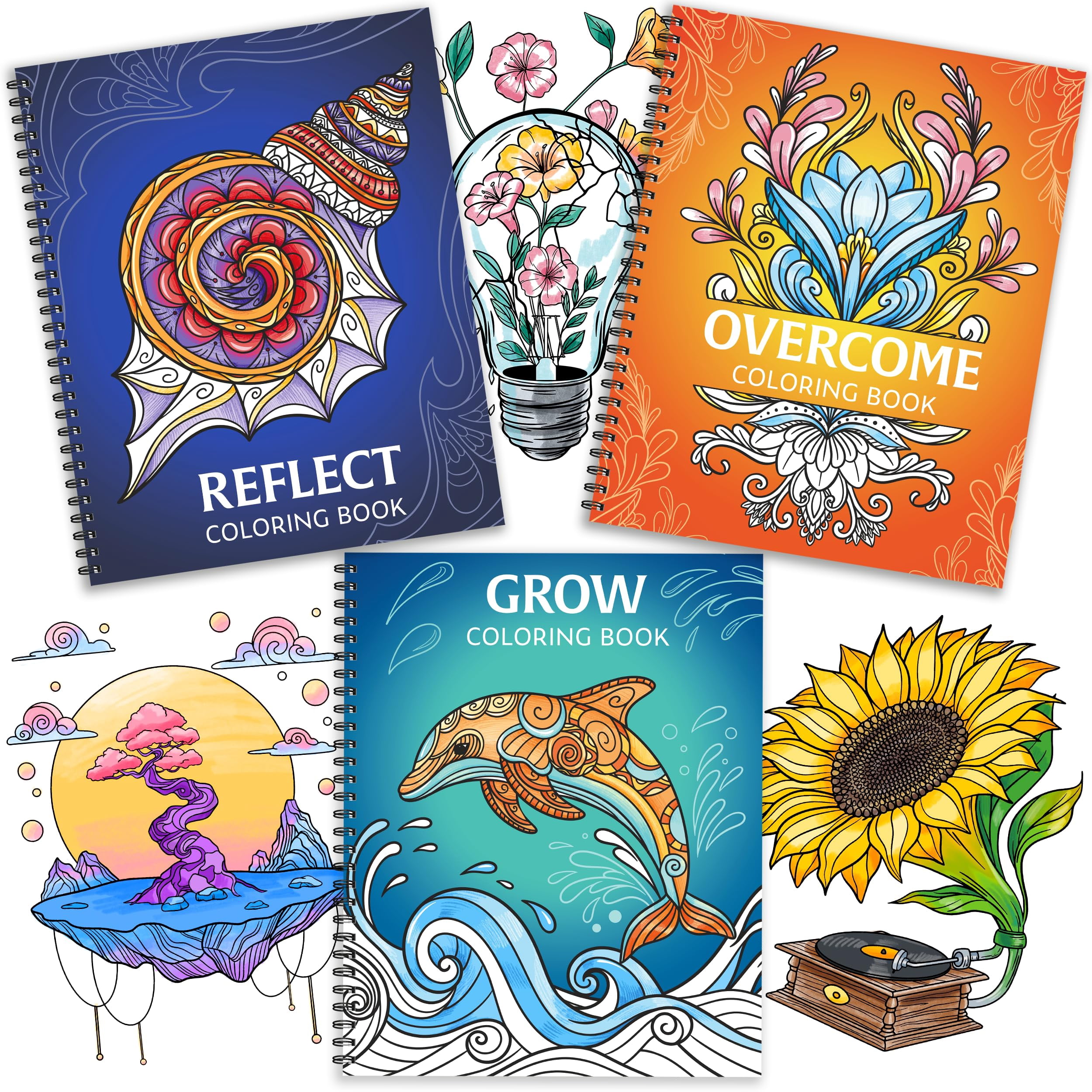
Low Vision Coloring Books For Adults: Calm & Unwind
Finding Peace Through Mindful Creativity

For many adults, coloring has become a go-to ritual for mindfulness, stress relief, and quiet relaxation. However, traditional adult coloring books often feature intricate, microscopic patterns, thin lines, and cluttered backgrounds. If you live with age-related macular degeneration, glaucoma, cataracts, or other visual impairments, these detailed designs can quickly turn a relaxing pastime into a frustrating eye-strain challenge. This is where calming low vision coloring books for adults to unwind right now make all the difference.
Choosing the right coloring book tailored for impaired vision allows you to reclaim a soothing creative habit without squinting, headaches, or fatigue. By combining bold lines, simplified yet elegant illustrations, and high-contrast layouts, these specialized books make art accessible and deeply therapeutic once again.
Why Traditional Coloring Books Cause Frustration
Standard adult coloring books are typically marketed toward precision and micro-detailing. Mandalas with dozens of tiny segments, botanical scenes with delicate veins, and complex geometric puzzles dominate the market. For someone with low vision, these books present several distinct hurdles:
- Thin, Faint Outlines: Gray or thin black lines easily blur together, making it difficult to determine where one shape ends and another begins.
- Cluttered Layouts: Too many elements packed into a single page create visual noise and cognitive fatigue.
- Poor Contrast: Low-contrast printing fails to stimulate the eye effectively, leading to guesswork when choosing colors and staying inside the lines.
When your eyes have to work overtime just to decipher a page, the relaxation benefits of coloring disappear. Low vision titles eliminate these barriers by prioritizing clarity, breathing room, and bold visual boundaries.
Features to Look for in Low Vision Coloring Books
Not all large-print coloring books are created equal. When shopping for a title that genuinely helps you unwind, keep specific design elements in mind to ensure a frustration-free experience.
Bold and Thick Line Art
The single most important feature of a low vision coloring book is line weight. Look for books explicitly advertised with "bold lines" or "thick outlines." Thick black borders act as physical and visual guardrails, helping you keep your coloring medium inside the designated shape even if your hand tremors or your sight fluctuates.
Video: Where to Get Tactile Coloring Books for Blind & Visually Impaired People | ViewPlus Technologies

Large, Simple Shapes
Simplicity is key to relaxation. Designs featuring oversized flowers, broad geometric patterns, friendly animals, and everyday objects allow you to focus on the pure joy of applying color rather than navigating tight corners. Large areas also give you the satisfaction of finishing a page faster, providing an immediate sense of accomplishment.
High Contrast and One-Sided Printing
High-contrast printing—jet-black lines against crisp white paper—maximizes visibility. Furthermore, look for books that feature single-sided printing. This ensures that if you prefer using markers, gel pens, or heavier paints, you won't have to worry about bleeding through to an image on the reverse side. It also makes it easy to tear out your finished masterpiece and display it proudly.
Top Themes in Calming Low Vision Coloring Books For Adults To Unwind Right Now
Therapeutic coloring works best when the subject matter brings you personal joy. Publishers have adapted a wide variety of calming themes for individuals with visual impairments:
- Botanical and Floral: Simplified daisies, sunflowers, and tropical leaves offer organic shapes that are forgiving and natural-looking if you color outside the lines.
- Abstract and Geometric: Bold squares, flowing waves, and chunky repeating patterns provide a meditative, zen-like rhythm.
- Cozy Landscapes and Animals: Oversized outlines of farm animals, gentle birds, and rustic scenery evoke nostalgia and comfort.
Tips to Enhance Your Low Vision Coloring Experience
Having the right book is only half the battle. You can optimize your coloring sessions for maximum comfort and relaxation by setting up your environment thoughtfully:
- Invest in Good Lighting: Position a daylight-balanced LED desk lamp directly over your workspace to eliminate shadows and enhance contrast.
- Use Magnification Tools: Pair your coloring book with a hands-free magnifier, a page-magnifying sheet, or specialized magnifying glasses if needed.
- Choose the Right Medium: Broad-tip markers, chunky colored pencils, and dual-tip paint pens are much easier to grip and wield than standard, fine-point pencils.
- Take Regular Breaks: Practice the 20-20-20 rule—every 20 minutes, look at something 20 feet away for 20 seconds to give your eyes a necessary rest.
Conclusion: Rediscover the Joy of Coloring
Living with low vision doesn't mean giving up the hobbies you love. By swapping out intricate, high-stress designs for specially curated books with bold lines and large shapes, you can easily unwind and tap into your creative side. Treat yourself to a low-vision-friendly book, grab your favorite bold markers, and enjoy a peaceful, stress-free coloring session today.