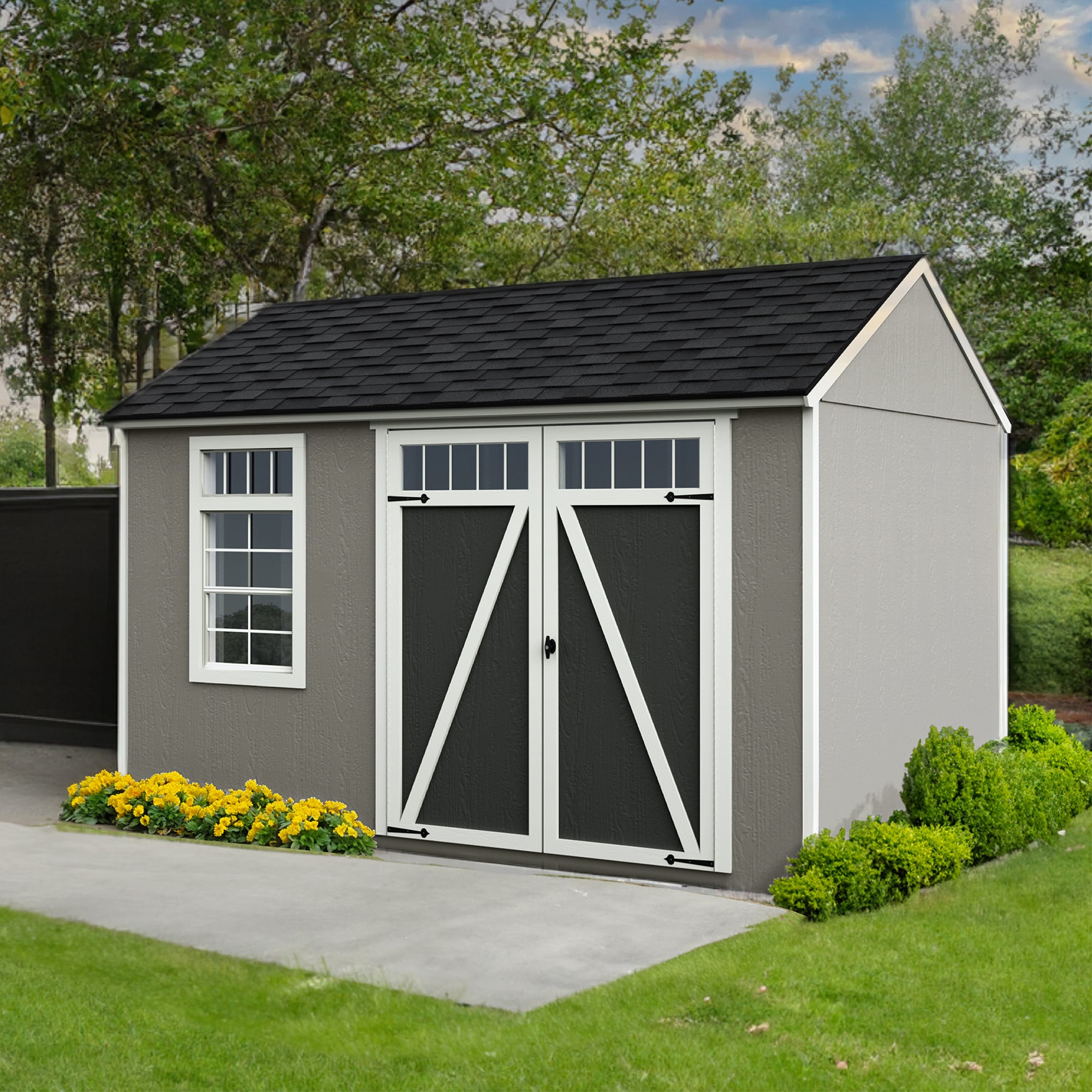
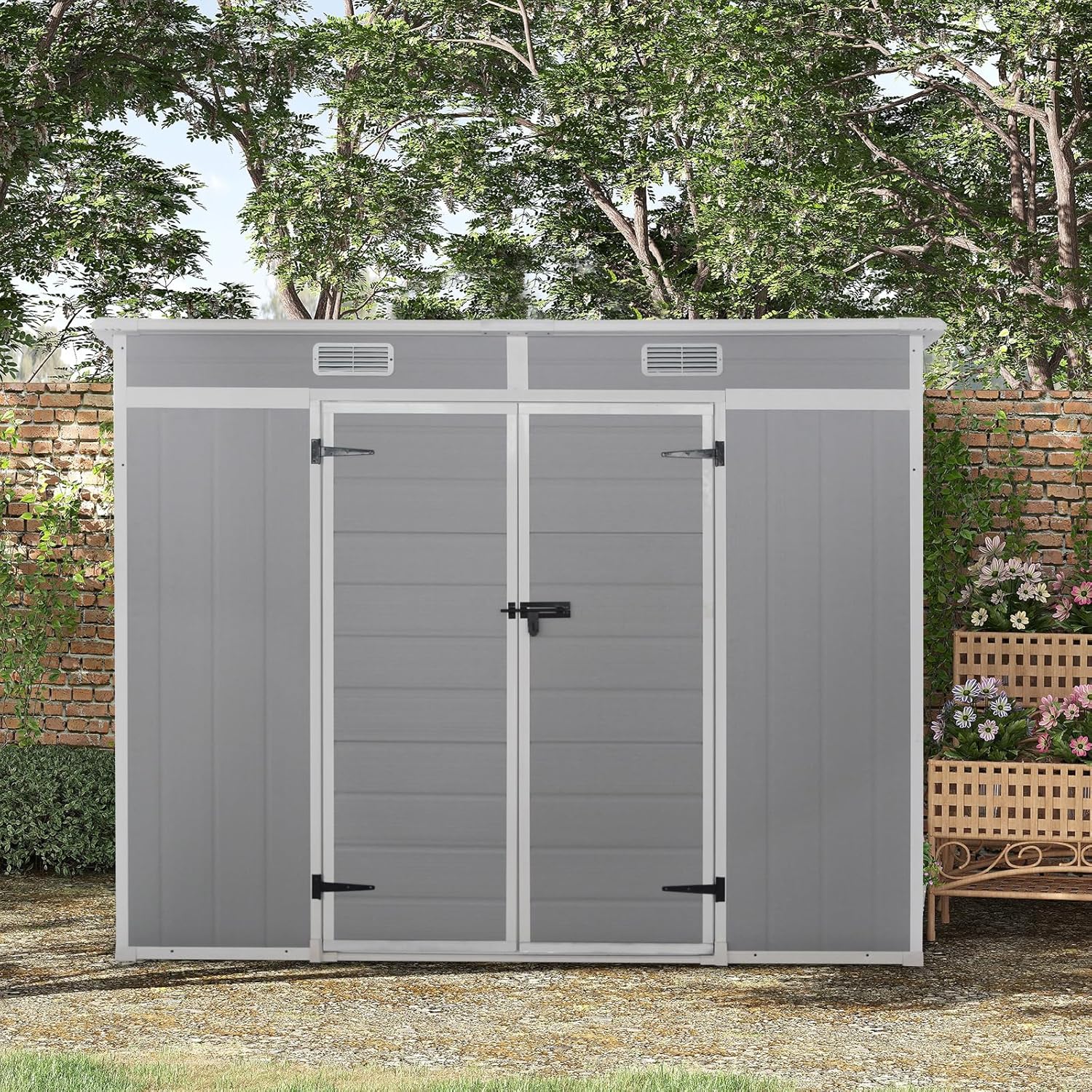
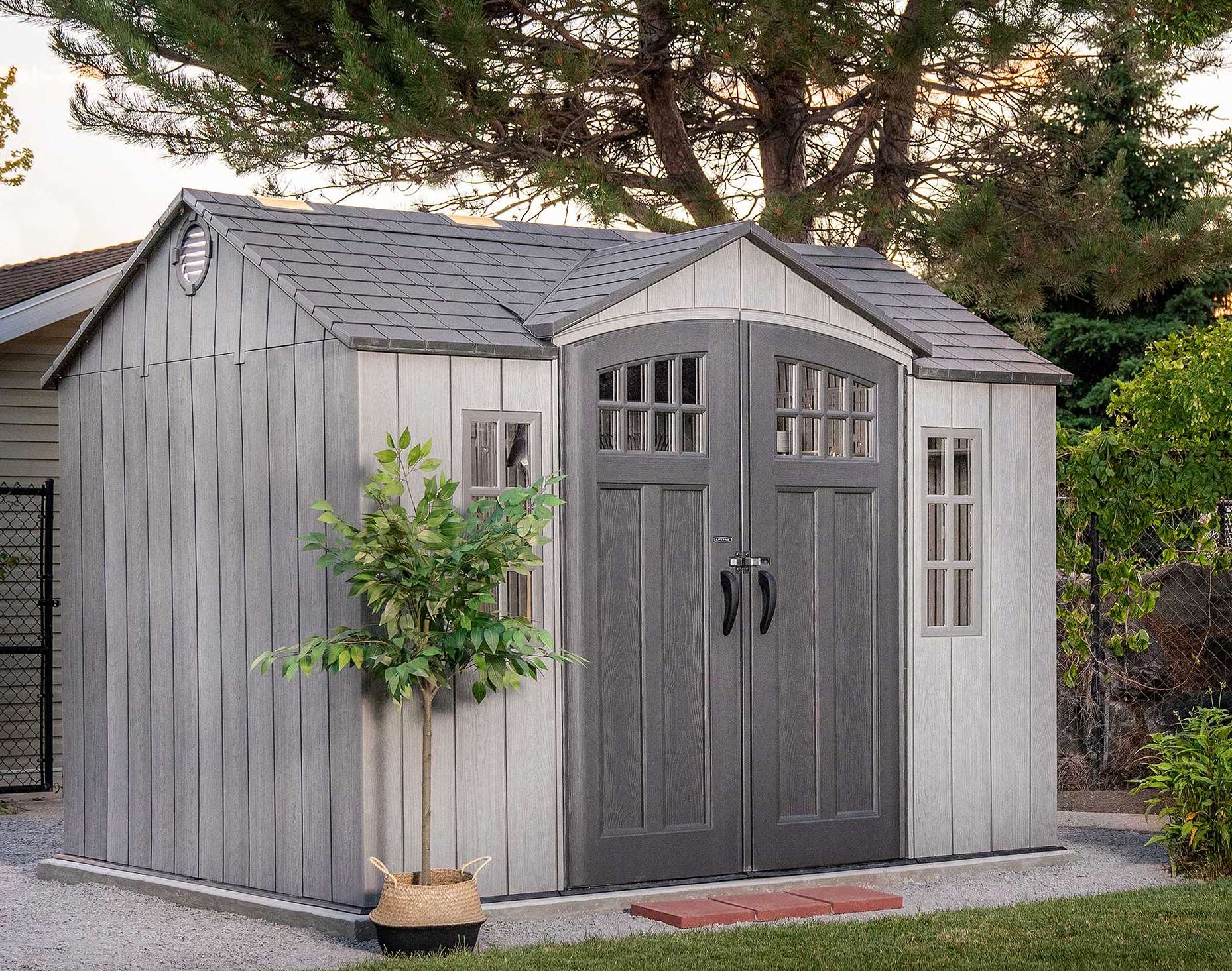
Lowe's Plastic Garden Sheds: Read This Warning First
The Allure of Low-Maintenance Backyard Storage
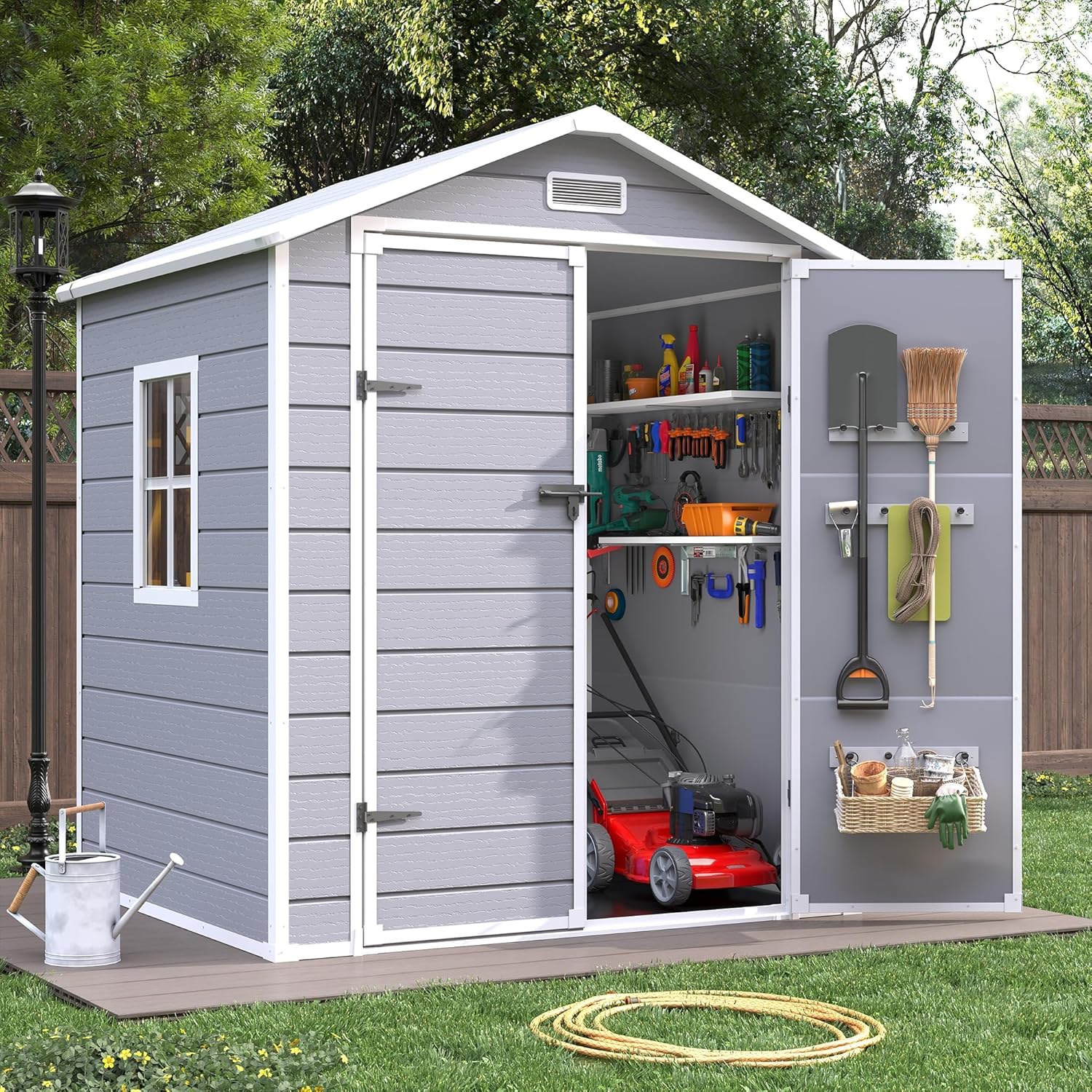
Walking through the seasonal aisles at Lowe's, it is easy to fall in love with the neat, clean aesthetic of resin and plastic outdoor storage. Brands like Suncast, Keter, and Rubbermaid promise a backyard upgrade that requires zero painting, zero staining, and zero rust. For homeowners looking to quickly stow away lawnmowers, pool supplies, and gardening gear, **Lowe's plastic garden sheds** seem like the ultimate hassle-free solution.
However, before you swipe your credit card or schedule delivery, you need to understand the realities of owning a resin storage building. While these sheds serve a purpose, marketing materials often gloss over critical limitations regarding weather resistance, assembly nightmares, and long-term durability. Here is everything you need to know before making a purchase.
The Hidden Vulnerabilities of Lowe's Plastic Garden Sheds
Resin technology has come a long way, but plastic remains vulnerable to environmental stressors that wood and metal simply handle differently. If you live in an area with extreme weather, you need to be aware of how these structures hold up over time.
1. High Winds and Sail Effects
Plastic sheds are remarkably lightweight. While this makes them easy to transport in flat-pack boxes, it becomes a liability in high winds. Without proper anchoring, a sudden storm can turn a lightweight resin shed into a dangerous airborne projectile. Even medium-sized gusts can lift a poorly secured shed off its base, cracking the floor panels and warping the wall columns.
2. Extreme Temperature Warping
Direct sunlight and freezing winters take a heavy toll on polymers. During scorching summer months, dark-colored plastic panels absorb intense heat, causing the walls and roof panels to expand and bow outward. Conversely, sub-zero winter temperatures make the plastic brittle. A stray baseball or a heavy push from a snow shovel can easily puncture or crack cold resin.
3. UV Degradation and Fading
Most modern resin sheds feature UV inhibitors mixed into the plastic. While this slows down sun damage, it does not stop it entirely. After several years of baking in the sun, many plastic sheds begin to chalk, fade, and lose their structural integrity, turning a once-attractive backyard focal point into a weathered eyesore.
The Foundation Trap: Why Level Ground is Non-Negotiable
Video: NEW DeWalt BOGO Deal + Klein Tools Blackout At Lowe's- You Must See!

One of the most common complaints from buyers of Lowe's plastic garden sheds revolves around assembly and door alignment. Unlike heavy wooden sheds that can tolerate minor ground shifts, resin sheds rely entirely on geometric tension to keep their shape.
- The Pitfall: Putting a plastic shed directly on bare grass, dirt, or an uneven patio.
- The Consequence: Even a half-inch variance in the foundation will twist the entire frame.
- The Result: The roof panels will not align, the walls will gap, and the double doors will either refuse to latch or pop open on their own.
To avoid this, you must invest time and money into building a perfectly level wooden platform or pouring a concrete slab. When you factor in the cost of foundation materials, the budget-friendly appeal of a cheap resin shed starts to diminish.
Weight and Storage Limitations
If you plan to store heavy equipment, you need to inspect the flooring system that comes with the shed. Most plastic sheds utilize interlocking resin floor panels. While these are fine for push mowers, bicycles, and patio cushions, they have strict weight limits.
Heavy riding lawnmowers, large snowblowers, or dense shelving units loaded with tools can easily puncture thin plastic flooring. Furthermore, hanging heavy tools on the walls requires specialized mounting brackets designed specifically for the brand's proprietary wall channels. You cannot simply drive a heavy-duty screw into a plastic shed wall and expect it to hold weight without tearing through the material.
Assembly Frustrations: A Weekend Project Gone Wrong
Lowe's displays make assembly look effortless—usually showing two smiling people snapping a shed together in a couple of hours. In reality, assembling a resin shed is often a grueling test of patience.
Holes may not align perfectly, requiring you to force flexible plastic pieces into position. You will likely need a second or third set of hands to hold walls steady while driving dozens of tiny screws into tight corners. If you attempt assembly on a hot day when the plastic is pliable, the pieces may warp as you work; if you do it on a cold day, the plastic may crack under pressure.
When Does Buying a Plastic Shed Make Sense?
Despite these warnings, resin sheds are not universally bad. They can be a fantastic investment if your expectations align with their capabilities:
- Mild Climates: They excel in regions without extreme heatwaves, heavy snow loads, or hurricane-force winds.
- Light-Duty Storage: They are ideal for gardening tools, pool chemicals, cushions, and children's toys.
- Low Maintenance Needs: If you despise scraping, painting, and treating wood every few years, the zero-maintenance upkeep of plastic is hard to beat.
Final Verdict: How to Protect Your Investment
If you decide to purchase a plastic shed from Lowe's, do not cut corners on the installation process. Budget for a solid, level wooden or concrete foundation, and anchor the structure securely to the ground using heavy-duty hurricane tie-downs. Treat the shed with care during extreme weather events, and avoid overloading the floors and walls beyond the manufacturer's specified limits. By respecting its structural boundaries, you can ensure your backyard storage solution lasts for years to come.