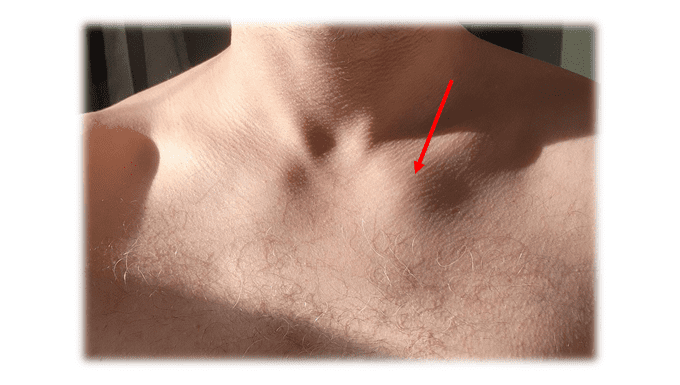
Lump Over Sternum: Causes, Symptoms, and When to See a Doctor
Finding an unfamiliar growth on your body is naturally concerning, especially when it appears on your chest. If you have recently noticed a lump over sternum, it is completely normal to feel anxious. The sternum, or breastbone, is a critical bone located in the center of your chest that protects vital organs like your heart and lungs. However, not all bumps in this area originate from the bone itself; many develop in the skin, cartilage, or soft tissues surrounding the ribcage.
While only a qualified healthcare provider can give you an accurate diagnosis, understanding the most common causes can help you prepare for a doctor's visit and reduce unnecessary worry.
Understanding the Sternum and Surrounding Structures
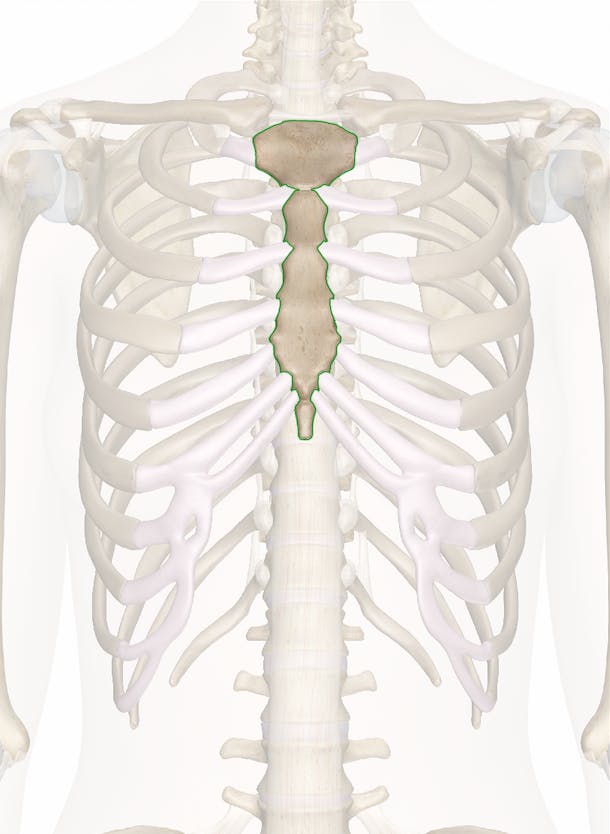
Before exploring why a lump might form, it helps to understand the anatomy of the chest. The sternum consists of three parts: the manubrium (top), the gladiolus or body (middle), and the xiphoid process (the small, pointed bottom tip). The sternum connects to your ribs via cartilage, and the entire area is covered by skin, fat, connective tissue, and muscles.
Because so many different types of tissue converge in this small area, a bump or protrusion can arise from the skin, the cartilage joints, or the bone itself.
Common Causes of a Lump Over Sternum
Most lumps found in the center of the chest fall into a few distinct categories, ranging from completely harmless skin issues to structural variations of the ribcage.
1. Xiphoid Process Variations
One of the most frequent reasons people panic about a lump over sternum is simply discovering their own xiphoid process. The xiphoid process varies greatly from person to person. In some individuals, it naturally angles forward rather than lying flat. If you have lost weight recently, this bony tip may suddenly become much more prominent and feel like a hard lump. It is typically a normal anatomical variation, though it can occasionally become sore if inflamed (a condition known as xiphodynia).
2. Costochondritis and Tietze's Syndrome
Costochondritis is an inflammation of the cartilage that connects your ribs to your sternum. While it usually causes sharp chest pain rather than a visible mass, severe inflammation can sometimes cause localized swelling. Tietze's syndrome is a rarer, related condition that specifically causes a noticeable, painful swelling of the cartilage, most commonly around the upper ribs and sternum.
3. Lipomas
A lipoma is a slow-growing, benign (non-cancerous) fatty tumor that develops just beneath the skin. They are soft to the touch, movable, and generally painless. If you feel a doughy or rubbery lump right under the skin over your breastbone, a lipoma is a very likely culprit.

4. Epidermoid or Sebaceous Cysts
Skin cysts can form anywhere on the body, including the chest. These closed sacs beneath the skin are filled with keratin or sebum. They often feel firm and may have a tiny central opening (a punctum). While usually harmless, cysts can occasionally become inflamed, tender, or infected, causing them to swell rapidly.
5. Bone Tumors and Cartilage Tumors
Though much less common, growths can originate from the bone or cartilage of the sternum itself. These can be benign (such as osteochondromas) or, rarely, malignant (such as chondrosarcomas or primary bone cancers). Any firm, fixed, hard lump that seems anchored directly to the breastbone and does not move under the skin requires prompt medical investigation.
Associated Symptoms to Monitor
When evaluating a lump over your sternum, pay close attention to any accompanying symptoms. These details will help your doctor determine the underlying cause:
- Pain or Tenderness: Is the lump sore when you press it, or does it ache continuously? Pain often points toward inflammation, injury, or infection.
- Mobility: Can you wiggle or shift the lump slightly beneath the skin, or does it feel rock-hard and fixed in place? Movable lumps are usually benign fatty tumors or cysts.
- Skin Changes: Is the skin over the lump red, warm, bruised, or dimpled? Redness and warmth often indicate inflammation or a skin infection.
- Growth Rate: Has the lump remained the same size for years, or is it growing rapidly over a matter of weeks? Rapid growth warrants a faster medical evaluation.
- Systemic Symptoms: Are you experiencing unexplained weight loss, fatigue, fever, or night sweats?
When to See a Doctor Immediately
While many chest wall lumps are benign, you should never ignore a new or changing mass in this area. Schedule an appointment with your primary care physician for a physical examination. They may order imaging tests—such as an ultrasound to check soft tissue or a CT scan and X-ray to examine the bone.
Seek emergency medical attention right away if your lump is accompanied by any of the following red-flag symptoms:
- Sudden, crushing, or squeezing chest pain
- Shortness of breath or difficulty breathing
- Dizziness, lightheadedness, or fainting
- Pain radiating to your arm, jaw, neck, or back
These symptoms can indicate a cardiac event or other medical emergency that is unrelated to a superficial chest wall lump.
Conclusion
Discovering a lump over sternum can certainly cause anxiety, but it is important to remember that most causes—ranging from normal anatomical landmarks like the xiphoid process to harmless lipomas and cysts—are not life-threatening. However, because the chest houses vital organs, getting an accurate professional diagnosis is essential. Schedule a visit with your doctor to have the lump examined, rule out any serious conditions, and secure your peace of mind.