Mackenzie Shirilla Drugs: What the Trial Revealed
In July 2022, a devastating car crash in Strongsville, Ohio, claimed the lives of 20-year-old Dominic Russo and 19-year-old Davion Flanagan. Behind the wheel was 17-year-old Mackenzie Shirilla, who accelerated her Toyota Camry to 100 mph before slamming directly into the wall of a commercial brick building without touching the brakes. While the catastrophic impact shocked the local community, the subsequent investigation into mackenzie shirilla drugs and toxicology reports revealed a complicated portrait of substance use, toxic relationship dynamics, and ultimate criminal liability.

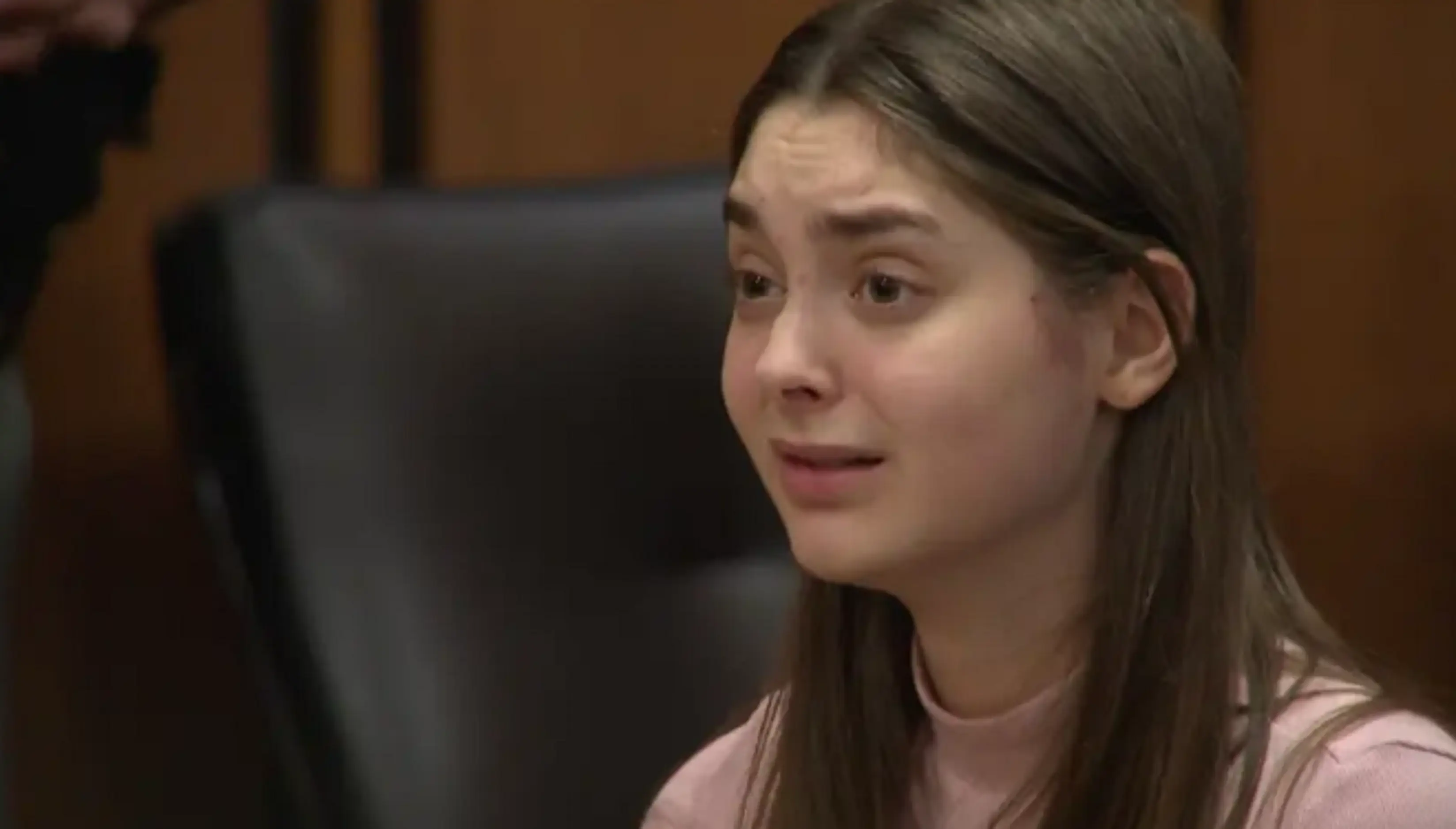
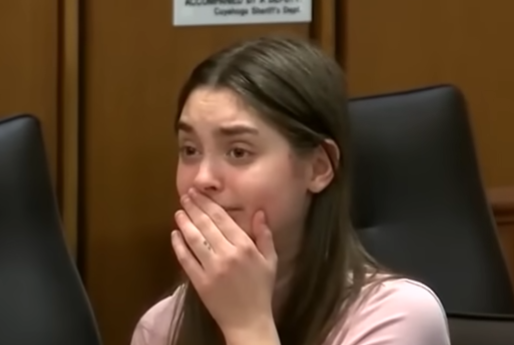
In August 2023, Cuyahoga County Common Pleas Judge Nancy Margaret Russo found Shirilla guilty on 12 counts, including purposeful murder. Throughout the trial, physical evidence of illicit substances and toxicology results played a significant role in establishing the context of the crash, Shirilla’s lifestyle, and the arguments presented by both the prosecution and defense.
The July 2022 Crash: A Calculated Collision
The incident occurred in the early morning hours of July 31, 2022, inside the Progress Drive Business Park. Shirilla, who was driving her friends home after a gathering, navigated through an industrial complex with which she was familiar. Surveillance video from the scene captured the critical moments before impact: rather than slowing down or attempting to negotiate turns, the vehicle accelerated rapidly down a straightaway, reaching 100 mph before colliding head-on into the corner of a brick warehouse.
Emergency responders arrived to find Russo and Flanagan dead at the scene. Shirilla was severely injured, unconscious, and pinned inside the driver’s seat. Given the severity and unusual nature of the crash—occurring in an empty business park with zero evidence of evasive maneuvers or skid marks—investigators immediately treated the area as an active crime scene, looking closely at mechanical telemetry, driver intent, and potential impairment.
Mackenzie Shirilla Drugs: Toxicology, Evidence, and Trial Facts
As investigators examined both the crash site and biological samples taken from Shirilla at the hospital, evidence of controlled substances quickly emerged. The prosecution entered several key pieces of drug-related evidence into the court record:
- THC Impairment: Toxicological testing revealed that Shirilla had delta-9-tetrahydrocannabinol (THC)—the psychoactive component of cannabis—in her system well above the legal driving limit under Ohio law.
- Psilocybin Mushrooms: Investigators searching the vehicle recovered a bag containing psilocybin (psychedelic) mushrooms from Shirilla’s personal belongings at the scene.
- Paraphernalia: Officers discovered a digital scale and other drug-related paraphernalia, which were cataloged as evidence and supported charges related to illegal drug possession.
While testing confirmed the presence of cannabis above statutory per se limits, prosecutors made an intentional choice not to frame the event simply as an accidental driving-under-the-influence collision. Instead, they argued that while drugs were present in her life and system, they did not cause an unintentional loss of vehicle control.
Impairment vs. Intent: The Prosecution’s Core Legal Strategy
In many vehicular fatality cases involving intoxicating substances, prosecutors pursue charges of aggravated vehicular homicide based on reckless driving or operating a vehicle under the influence (OVI). In Shirilla’s trial, however, the state sought convictions for purposeful murder—a charge requiring proof beyond a reasonable doubt that she intentionally caused the deaths of Russo and Flanagan.
The defense argued that the crash was a tragic accident fueled by poor judgment, inexperience, and possible cognitive impairment or confusion caused by substance use. Her defense team contended that Shirilla did not intentionally drive into the building to kill herself and her passengers, but rather lost control or experienced a medical lapse influenced by intoxication.
Video: The drugs retrieved from Mackenzie Shirilla and from her phone extraction #truecrimecommunity
The prosecution countered this narrative by highlighting vehicle telemetry data obtained from the car’s electronic data recorder (the "black box"):

- The accelerator pedal was pressed down to 100% capacity in the seconds leading up to impact.
- The steering wheel was actively steered toward the brick wall with precise, deliberate inputs.
- There was absolutely no brake pedal engagement before the collision.
During closing rulings, Judge Nancy Margaret Russo rejected the idea that intoxication obscured Shirilla’s intent. The judge noted that Shirilla made conscious choices: choosing an obscure route, waiting until there were no other cars around, driving during predawn darkness, and accelerating directly into a lethal obstacle. While drugs were present in Shirilla’s system, the court ruled that the crash was a deliberate, homicidal act rather than an accidental drift off the roadway caused by drug impairment.
Social Media Evidence and Post-Crash Conduct
The conversation around Shirilla's relationship with drugs extended far beyond the chemical findings in the hospital. Prosecutors introduced digital evidence to demonstrate her state of mind and casual relationship with high-risk behaviors.
A notable piece of evidence was a TikTok video posted by Shirilla months before the crash, in which she stated directly into the camera: "I’m not cool, I’m just one of those girls that can do a lot of drugs and not die."
Although the defense objected to the introduction of social media clips, the prosecution argued they illustrated an attitude of invulnerability and habitual drug use. Furthermore, testimony from acquaintances outlined recurring conflicts between Shirilla and Russo, often centered around substance use, arguments, and erratic behavior in the months leading up to the fatal incident.
The court also scrutinized Shirilla’s actions while on bond awaiting trial. Photographic evidence presented at sentencing showed her attending college parties and Halloween events dressed in costume, which prosecutors used to illustrate a lack of remorse regarding the deaths of two young men who lost their lives in her car.
The Verdict and Sentencing
On August 14, 2023, following a four-day bench trial, Judge Russo delivered a scathing verdict. Shirilla was convicted on all 12 counts, which included:
- Four counts of murder
- Four counts of felonious assault
- Two counts of aggravated vehicular homicide
- One count of drug possession (psilocybin)
- One count of possessing criminal tools
Judge Russo characterized Shirilla’s actions as "controlled, methodical, deliberate, and intentional," describing her as "hell on wheels" on the morning of the crash. On August 21, 2023, Shirilla was sentenced to two concurrent terms of life in prison with the possibility of parole after 15 years.
Summary of Key Facts
| Element | Details |
|---|---|
| Crash Date & Location | July 31, 2022; Strongsville, Ohio |
| Substances Identified | THC (over legal driving limit), Psilocybin mushrooms recovered at scene |
| Vehicle Telemetry | 100 mph, 100% throttle, 0% braking prior to impact |
| Victims | Dominic Russo (20) and Davion Flanagan (19) |
| Primary Convictions | Purposeful Murder, Felonious Assault, Drug Possession |
| Sentence | Life imprisonment with parole eligibility after 15 years |
The tragedy remains one of Ohio’s most scrutinized legal cases. While the presence of drugs was an undeniable component of the physical evidence and the lifestyle of those involved, the judicial determination concluded that conscious malice—not chemical incapacitation—was the direct cause of the deadly crash.