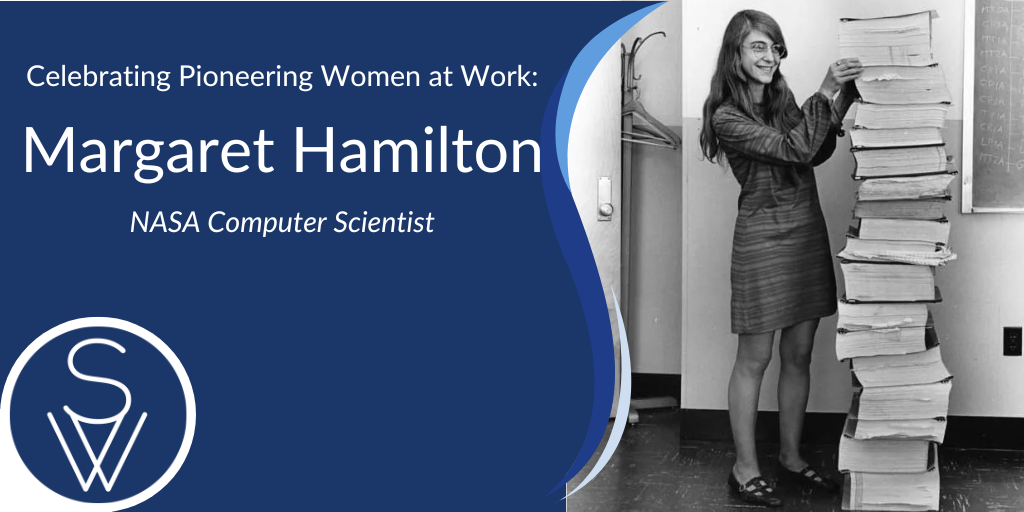
Margaret Hamilton's Net Worth: How Tech Savvy Paid Off
Introduction
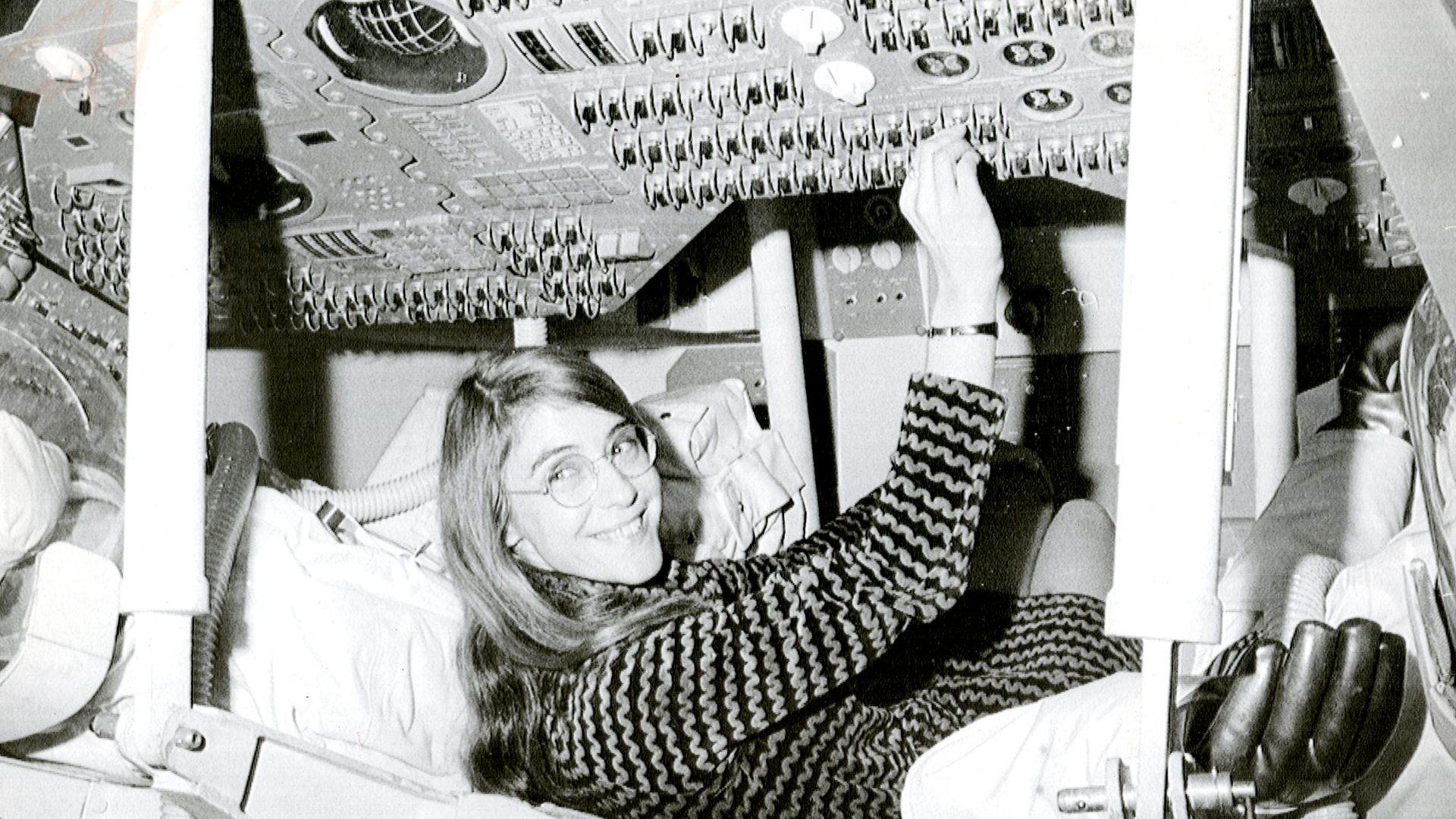
When people think of the Apollo 11 moon landing, iconic images of Neil Armstrong and Buzz Aldrin stepping onto the lunar surface usually come to mind. Yet, humanity might never have reached the moon without the groundbreaking software developed by Margaret Hamilton. As the Director of the Software Engineering Division for the MIT Instrumentation Laboratory, she literally wrote the code that kept the Apollo missions safe from catastrophic computer overloads.
Beyond her monumental contributions to space exploration and computer science, Hamilton's career highlights an inspiring trajectory. Many modern observers wonder how Margaret Hamilton’s tech savvy built a $7 Million net worth fortune! While her exact private bank accounts are not public record, her wealth accumulation stems from decades of pioneering software innovation, executive leadership, and successful entrepreneurship in the tech sector.
The Apollo Years: Laying the Foundation
Margaret Hamilton entered the field of computer science long before it was a mainstream career path. Graduating with a bachelor's degree in mathematics from Earlham College in 1958, she initially taught high school math before joining the Massachusetts Institute of Technology (MIT). At MIT, she worked on software to predict weather systems and later developed programs for the U.S. Air Force's SAGE project, which tracked potential enemy aircraft.
Inventing Software Engineering
In the 1960s, Hamilton took charge of the software development for the Apollo command and lunar modules. At the time, "software engineering" was not even a recognized academic discipline; Hamilton essentially coined and defined the term. Her code had to be completely foolproof because human lives depended on it.
During the Apollo 11 landing, her foresight saved the mission. Just minutes before touchdown, the radar overloaded the computer with unnecessary data. Because Hamilton had designed the system with asynchronous executive processing—allowing the computer to prioritize essential tasks like thruster control over minor functions—the system ignored the overload and successfully landed the spacecraft.
Transition to the Private Sector
Video: NASA’s first software engineer: Margaret Hamilton - Matt Porter & Margaret Hamilton

Government service and academic research provided immense prestige, but the burgeoning commercial tech industry offered substantial financial rewards. Hamilton leveraged her elite reputation as a top-tier systems engineer to transition into the private sector. During the 1970s and 1980s, computing transitioned from massive mainframe systems to government, commercial, and personal applications.
Her extensive experience with complex, ultra-reliable systems made her a sought-after expert. In high-demand technology fields, elite consultants and chief architects often command significant compensation packages, equity stakes, and high-value contracts.
Entrepreneurship and Higher Yields
The most significant catalyst for wealth generation in the tech industry is entrepreneurship. Working as an employee—even a chief engineer—has a salary ceiling. Founding a company, however, offers exponential financial growth.
- Higher Order Software (HOS): In 1976, Hamilton left MIT to co-found a company called Higher Order Software. As CEO and co-founder, she commercialized her theories on error prevention and automated software development.
- Hamilton Technologies: In 1986, she established her second venture, Hamilton Technologies, Inc., serving as CEO. The company focused on her Universal Systems Language (USL), a paradigm and product based on her paradigm for systems design.
By owning the intellectual property and leading commercialization efforts for her proprietary software methodologies, Hamilton captured the financial upside of her inventions. Software licensing, corporate contracts, and enterprise sales generated substantial commercial revenues over decades of operation.
Honors, Awards, and Intellectual Capital
While awards do not directly deposit cash into a bank account, high-profile recognition translates into immense intellectual capital. Throughout her later years, Hamilton received numerous accolades that elevated her market value as a speaker, consultant, and thought leader.
- The Presidential Medal of Freedom: In 2016, President Barack Obama awarded her the nation's highest civilian honor, cementing her global legacy.
- The NASA Exceptional Space Act Award: In 2003, NASA recognized her contributions with a massive financial bonus—receiving the largest financial award NASA had ever presented to an individual at that time.
- Global Lectures and Consultations: As a revered pioneer, Hamilton commanded significant speaking fees and advisory compensation for sharing her insights on software reliability and engineering management.
Conclusion
Margaret Hamilton's estimated $7 million net worth is a testament to a lifetime of intellectual rigor, visionary leadership, and entrepreneurial drive. While her contributions to the Apollo missions are priceless historically, her savvy navigation of the emerging software industry allowed her to monetize her innovations effectively. By shifting from academic research to founding her own high-tech companies, Hamilton proved that exceptional technical expertise, combined with business acumen, creates both a lasting legacy and enduring financial success.