Marion County Jail Inmates: Search & Contact Guide
Locating information about Marion County jail inmates can be a stressful and urgent process, especially if a friend or family member has recently been taken into custody. Because there are several prominent Marion Counties across the United States—most notably in Indiana, Florida, and Oregon—navigating the booking system requires knowing where to look and what records are publicly accessible.
This guide outlines how to perform an online inmate search, understand booking statuses, arrange phone calls and visits, and send funds or post bond quickly and accurately.
Identifying the Correct Marion County Jurisdiction
Before launching a search, make sure you are accessing the records for the correct municipality. The three largest Marion County detention systems in the country are:
- Marion County, Indiana (Indianapolis): Inmates are processed through the Marion County Sheriff’s Office and housed at the Adult Detention Center within the Community Justice Campus.
- Marion County, Florida (Ocala): The Marion County Sheriff’s Office operates the county jail facility located in Ocala.
- Marion County, Oregon (Salem): The Marion County Sheriff’s Office runs the Marion County Transition Center and the main jail facility in Salem.
Confirm the arresting agency or city where the individual was taken into custody to ensure you query the appropriate database.
How to Look Up Marion County Jail Inmates Online
Most county sheriff offices provide an automated online inmate roster. These search tools are maintained around the clock and updated periodically as individuals are booked, transferred, or released.
Using Official Sheriff Roster Portals
To locate an inmate, navigate directly to the sheriff’s department website for the relevant county. You will typically need one or more of the following details to execute a search:
- Full legal name (including correct spelling and common aliases)
- Date of birth or approximate age
- Booking number or permanent inmate identification number (if known)
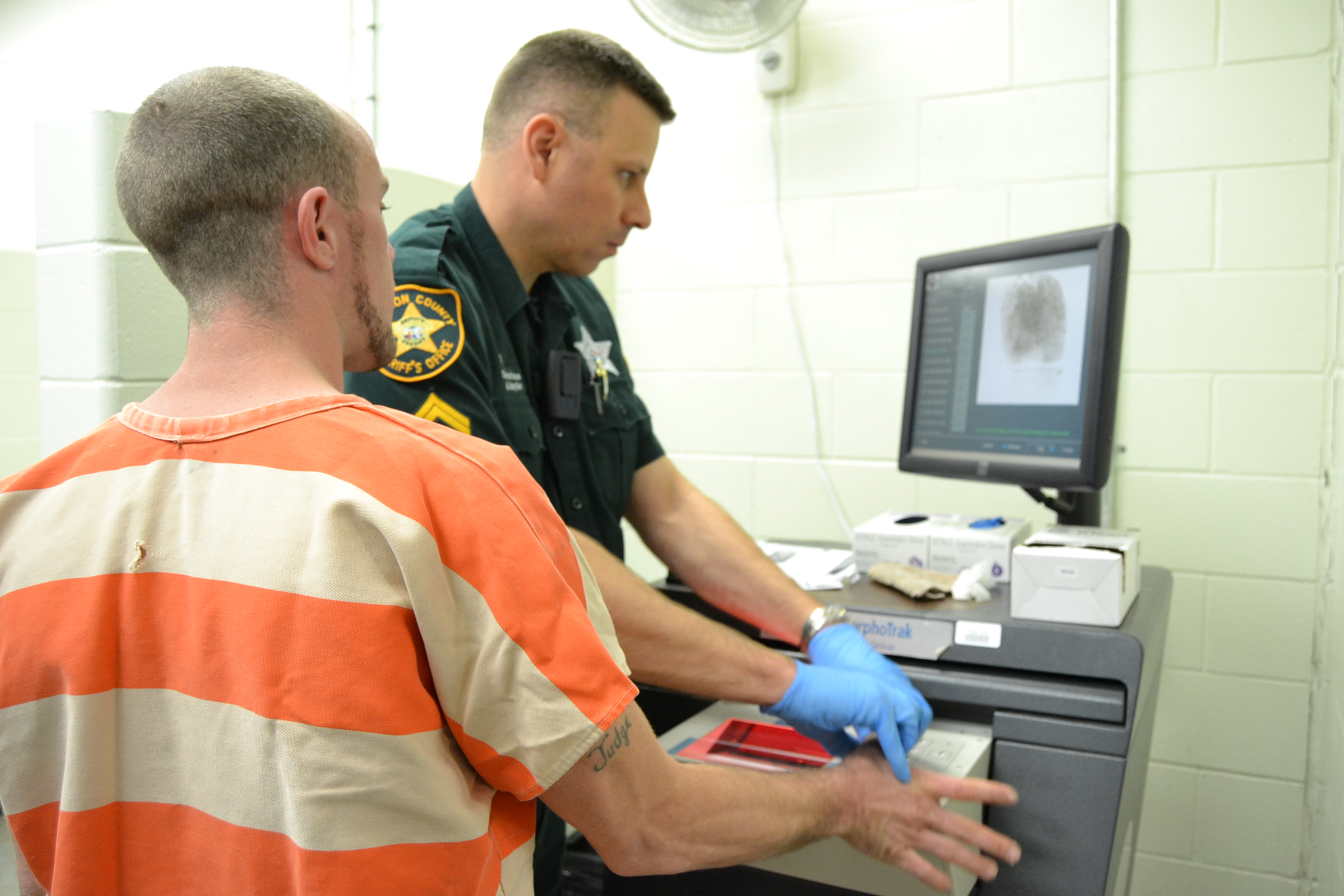
Online search results generally display a booking summary that confirms whether the individual is in custody. Note that recent arrestees may not appear immediately; it often takes anywhere from two to six hours after an arrest for fingerprinting, photo processing, and database entries to reflect online.
Third-Party and Statewide Victim Notification Services
If the county portal is undergoing maintenance or does not return results, you can use national victim notification systems such as VINE (Victim Information and Notification Everyday) via vinelink.com. VINE is free and provides real-time updates regarding an inmate’s custody status, facility transfers, and impending release via text, phone, or email.
Information Available in Custody Records
Public arrest logs exist to provide transparency within the legal system. When searching for an inmate, the electronic booking sheet typically reveals:
- Demographics: Legal name, age, physical description, and booking photograph (mugshot).
- Case Details: Current charges, booking date, arresting law enforcement agency, and assigned case numbers.
- Bail and Bond: Bond amounts (cash or surety) or whether the individual is held on a "no-bond" hold.
- Court Information: Next scheduled hearing, court division, or assigned judge.
- Housing Assignment: Specific pod, cell block, or branch where the inmate resides.
How to Contact and Visit an Inmate
County correctional facilities maintain strict protocols to ensure safety and security. Violating these rules can result in visitation suspension or administrative penalties for the inmate.
Telephone Communications
Inmates cannot receive incoming phone calls. However, they can place outgoing collect calls or use prepaid calling accounts. Most county facilities partner with contracted telecommunication providers such as Securus Technologies, ViaPath (GTL), or Telmate.
To receive calls, you must set up an account with the designated vendor and deposit funds. Be aware that all phone conversations—except privileged calls with legal counsel—are recorded and subject to monitoring.

In-Person and Video Visitation
Most facilities have transitioned primarily to video visitation, which can be conducted remotely from home or via on-site terminals at the jail. To participate in a visit:
- Register as an approved visitor on the facility’s visitation portal.
- Submit a valid government-issued photo ID (driver’s license, state ID, or passport).
- Schedule the session at least 24 to 48 hours in advance.
- Adhere to the mandatory dress code and behavioral guidelines during the call.
Mailing Rules
If you prefer to send written letters, ensure you use the inmate’s legal name and jacket/booking number in the address. Many modern jails process mail through off-site scanning services (such as TextBehind or Mail4Inmates), where physical letters are scanned and delivered digitally to an inmate tablet.
Do not send cash, stamps, polaroids, stickers, or letters written in marker. These are treated as contraband and will lead to the rejection or destruction of the mail piece.
Posting Bail and Adding Funds to Inmate Accounts
Helping an inmate secure release or purchase personal necessities requires navigating the jail’s financial procedures.
Posting Bond
If an inmate has been granted bail by a magistrate, bond can generally be posted in one of two ways:
- Cash Bond: Pay the total bail amount directly to the clerk of the court or the jail bonding window. This money is refundable at the conclusion of the case (minus court fees), provided the defendant appears at all scheduled hearings.
- Surety Bond: Contract with a licensed commercial bail bondsman. A bondsman typically charges a non-refundable premium (usually 10% of the total bond) and guarantees the court the full amount if the defendant fails to appear.
Commissary Deposits
Inmates rely on their commissary accounts to purchase hygiene items, stationery, snacks, and medical co-pays. Friends and family can deposit funds into an inmate’s trust account using on-site kiosks in the jail lobby, over the phone, or via official online payment processors (such as Access Corrections or TouchPay).
Frequently Asked Questions
How long does the release process take after bond is posted?
While paying bail takes only a few minutes, the actual discharge process can take anywhere from 4 to 12 hours. Jail staff must verify that there are no active warrants or detainers from other jurisdictions, run a final background check, process paperwork, and return personal property.
Can I retrieve an inmate’s personal property?
Yes, but the inmate must sign a property release authorization form specifying your legal name. You will need to present a valid government-issued ID at the jail reception window during standard property release hours.
What should I do if an inmate has urgent medical needs?
Contact the facility’s medical division immediately. Provide the inmate’s full name, booking number, the specific medical condition, and any prescription medications they require. Staff will verify the information with the dispensing pharmacy or treating physician.